
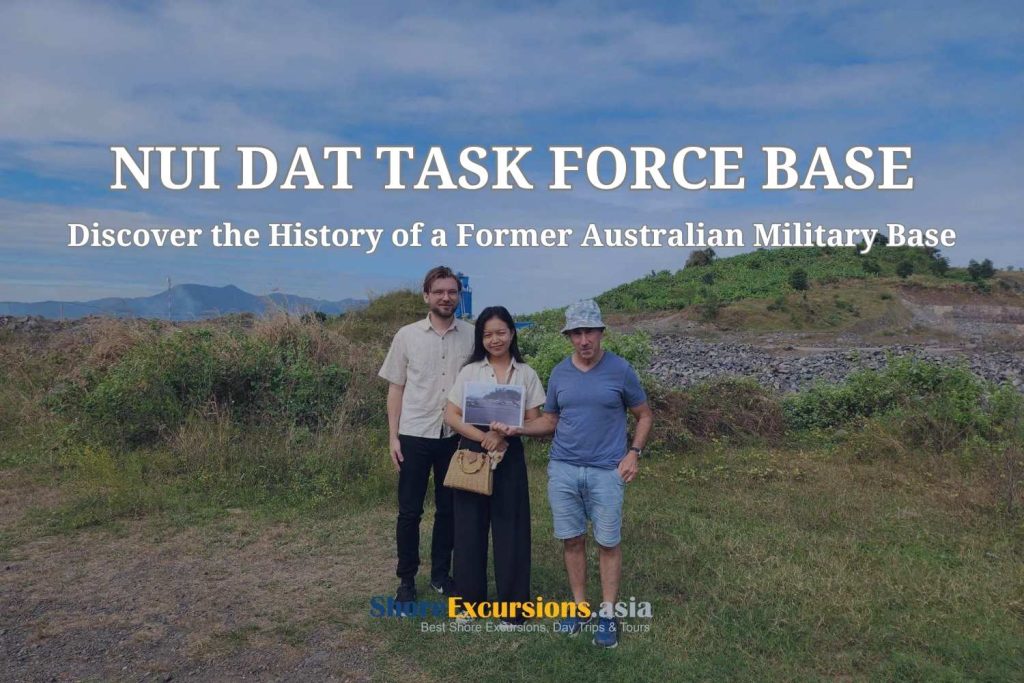
Situated in the Ba Ria-Vung Tau Province of southern Vietnam, Nui Dat Base holds great historical significance in the war in Vietnam. This ex-Australian military base served as the headquarters of the 1st Australian Task Force (1ATF) from 1966 to 1972. A visit to Nui Dat provides a special chance to discover a key location of the war, offering valuable perspectives into the experiences of Australian and New Zealand soldiers who were stationed there.
Overview of Nui Dat Task Force Base
The Nui Dat task force base was once one of the most important military installations in Ba Ria – Vung Tau Province. The base served as the operational headquarters for Australian forces stationed in the region during the late 1960s.
Today, the area presents a quiet rural setting surrounded by farmland and rubber plantations. However, the site still attracts international visitors who want to understand its historical significance. Many travelers include this destination in guided historical tours when visiting southern Vietnam.
Location and Geographic Setting
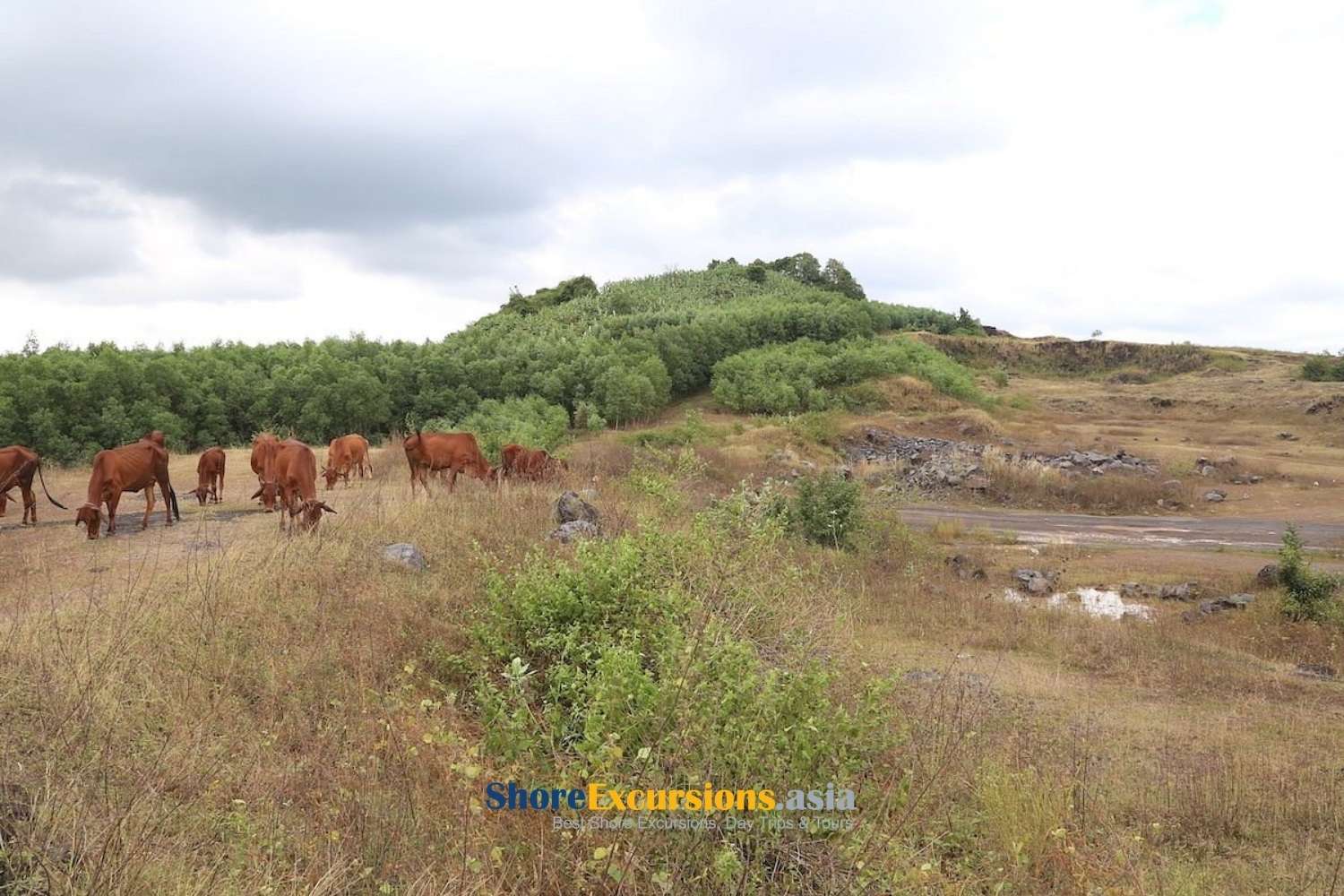
The Nui Dat Base Vietnam site lies in Chau Duc District of Ba Ria – Vung Tau Province in southern Vietnam. The area sits within the former Phuoc Tuy Province, a region that once held strategic military importance.
The location stands on a gently elevated plateau surrounded by farmland and rubber plantations. The terrain includes low hills and open land that allows wide visibility across the surrounding countryside. Military planners valued this terrain because it offered natural advantages for surveillance and defense.
For modern travelers, the area appears quiet and rural. Local villages and agricultural fields now cover much of the landscape. However, guided tours often explain how the terrain once supported a large military installation.
The Nui Dat Task Force Base location also sits within convenient travel distance of several major destinations in southern Vietnam:
- Phu My Port: about 40 – 45 km away, the main cruise port serving Ba Ria – Vung Tau Province
- Ho Chi Minh City: about 90 – 100 km northwest
- Vung Tau City: about 30 – 35 km south
- Long Tan Cross Memorial: approximately 10 km away
This location makes Nui Dat a practical stop on historical Vung Tau shore excursions. Many cruise passengers visiting southern Vietnam choose day tours that include several nearby historical sites.
Historical Background of Nui Dat Task Base
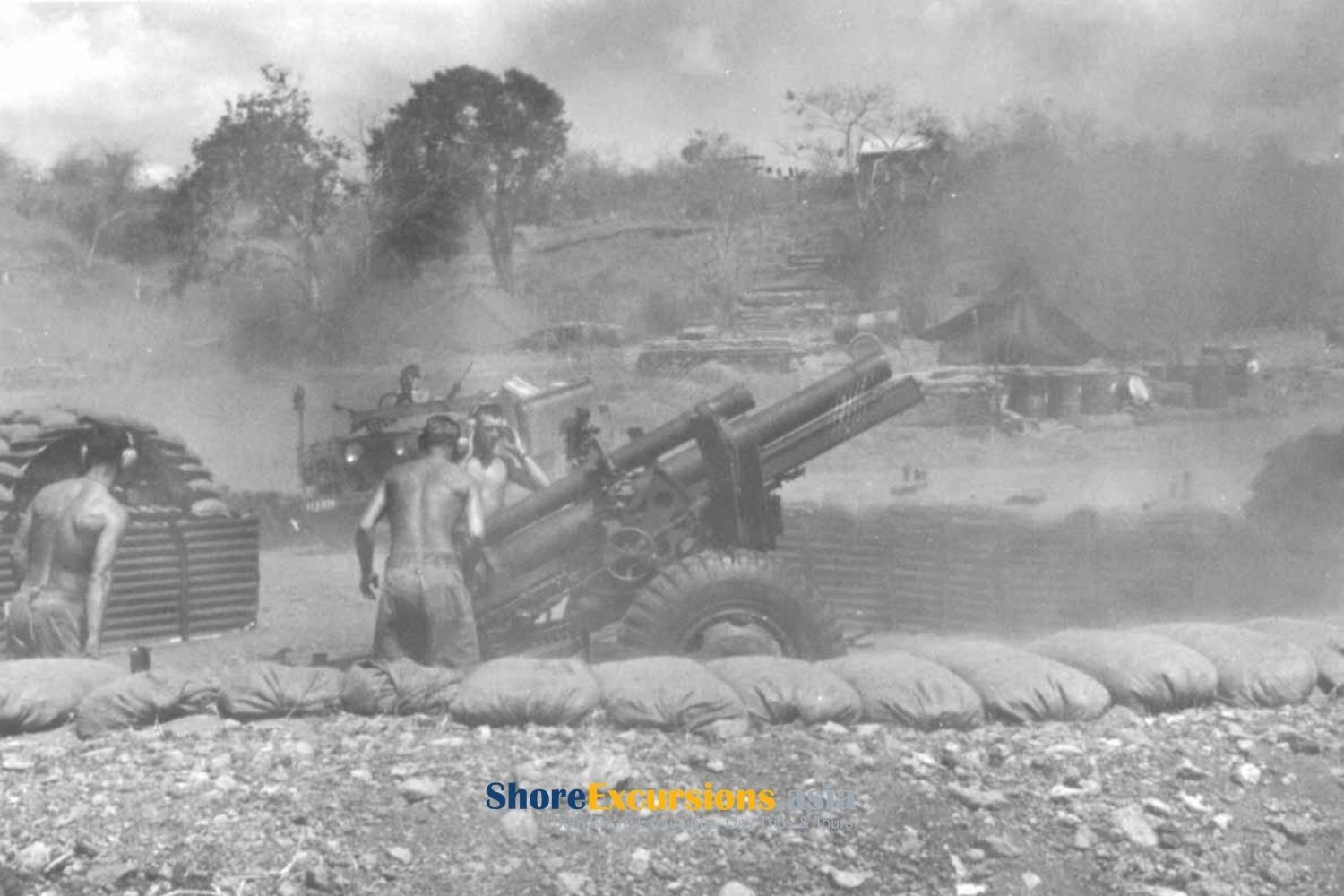
The Nui Dat military base was established in 1966 during a period of increasing military operations in southern Vietnam. The location became the headquarters for the 1st Australian Task Force (1ATF). Australian commanders selected Nui Dat because the terrain provided strong defensive advantages. The site also allowed forces to operate across large parts of Phuoc Tuy Province.
At its peak, the installation functioned as a large and complex military base. Thousands of Australian and New Zealand personnel rotated through the base during its operational years.
The base supported a wide range of military functions, including:
- Operational planning and command
- Logistics and supply management
- Troop accommodation
- Helicopter and aviation support
- Communication and intelligence operations
The Nui Dat Australian base quickly became the center of Australian military activity in the province. From this location, military leaders coordinated patrols, security operations, and strategic missions across the region. The base also played an important logistical role. Helicopters and transport vehicles moved troops, equipment, and supplies between Nui Dat and other operational locations.
How To Get To Nui Dat
Travelers can reach Nui Dat through several convenient routes in southern Vietnam from Phu My port, Vung Tau Center, and Ho Chi Minh City. Many visitors explore the area through guided historical tours because the site does not function as a standard tourist attraction. For international visitors, especially cruise passengers, organized transportation offers the most convenient way to visit the Nui Dat Base Vietnam area.
Common transportation options include:
- Private car or tour vehicle: Many visitors travel by private car or guided tour bus. Professional tour operators provide transportation and historical explanations throughout the trip.
- Cruise shore excursions: Cruise passengers arriving in southern Vietnam often join organized tours that depart directly from Phu My Port. These tours typically include transportation, a guide, and visits to several nearby historical sites.
- Motorbike or taxi from nearby cities: Independent travelers sometimes reach the site from Vung Tau or Ba Ria by taxi or motorbike. Local roads connect the rural district with nearby urban centers.
Because the Nui Dat military base area does not have a visitor center or clear signage, guided tours provide the most informative experience. Local guides help visitors identify the historical locations and explain the role of the base during its operational period.
What Remains of Nui Dat Task Force Base Today?
Today, very little of the original Nui Dat Task Force Base remains visible on the surface. The large military installation that once operated here has largely disappeared over time. However, the landscape still holds traces of its past, and experienced guides can help visitors identify several historically important locations.
Remaining Structures and Sites
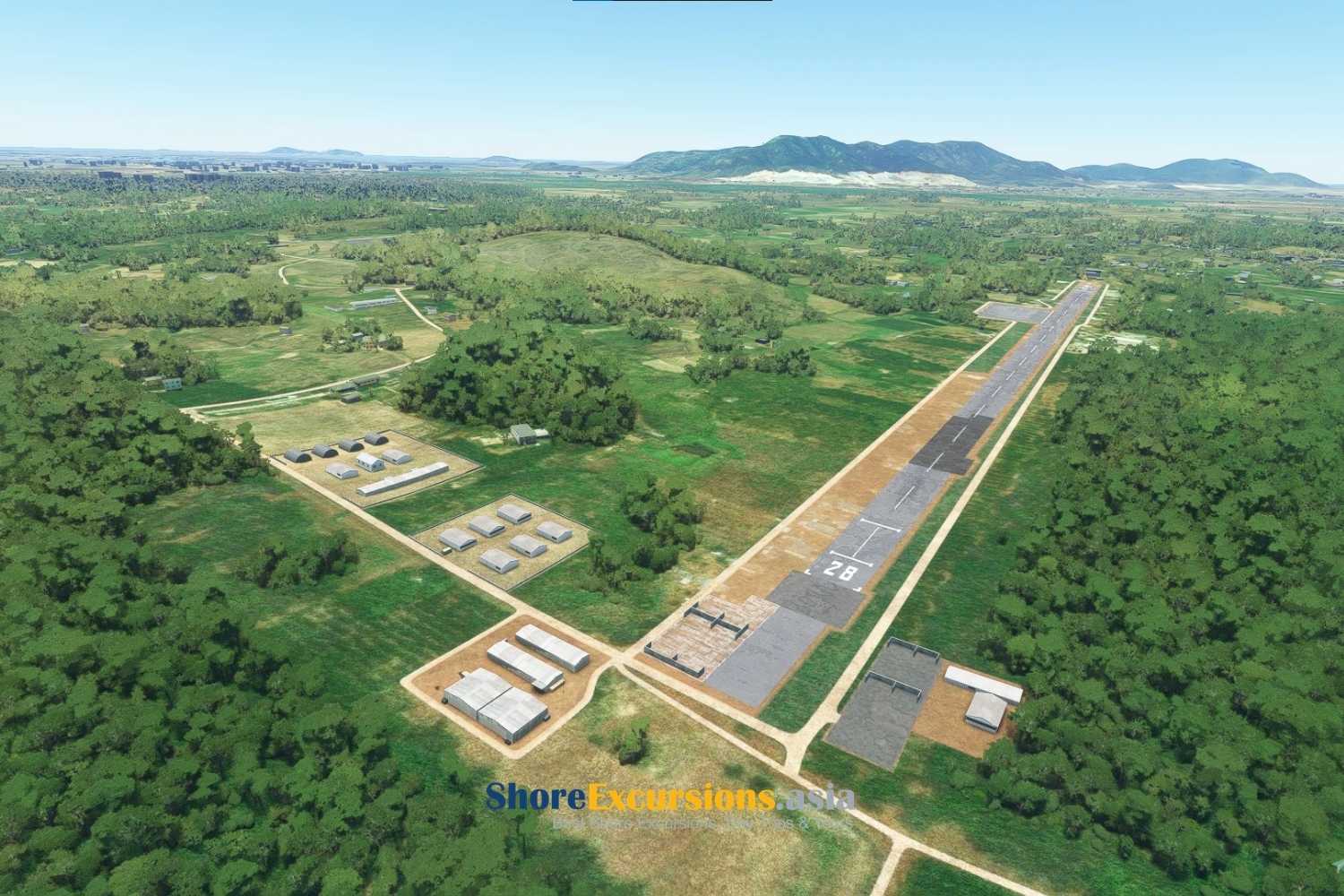
Most buildings and infrastructure from the former Nui Dat military base were removed after military forces left the area. Natural vegetation and agricultural development gradually covered the land. Despite these changes, several important locations can still be recognized with proper guidance. These sites help visitors visualize how the base once functioned.
Some historically significant locations include:
Luscombe Airfield:
- This was the helicopter airfield that supported operations in the region.
- Helicopters transported troops, supplies, and equipment across Phuoc Tuy Province.
- The airfield played a crucial role in rapid troop deployment.
SAS Hill:
- This elevated position served as an observation and defensive point.
- Special Air Service units used the hill for surveillance and security operations.
- The location provided clear views over surrounding terrain.
Former accommodation and operational zones:
- These areas once held barracks, command buildings, and supply facilities.
- Today, the land blends into the surrounding countryside.
Transformation Over Time
After military operations ended, the land that once formed the Nui Dat base Vietnam returned to local administration. The area gradually transformed into a normal rural landscape. Over the decades, local communities adapted the land for practical use. Agricultural activities now dominate much of the former base area.
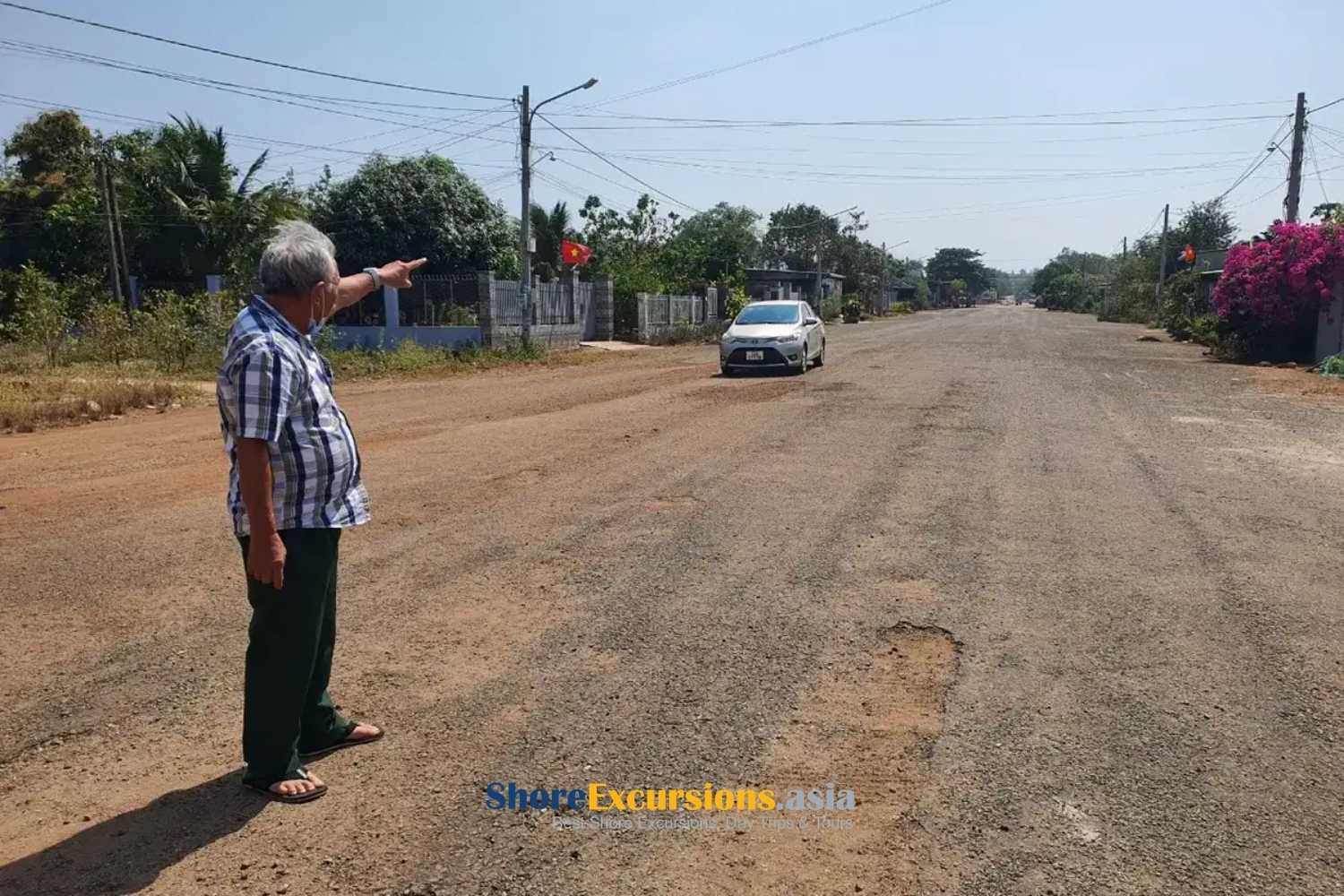
Today the land supports several types of development, including:
- Agricultural fields cultivated by local farmers
- Rubber plantations, which are common across Ba Ria – Vung Tau Province
- Small residential communities that have developed over time
For many visitors, the peaceful environment creates a striking contrast with the area’s historical role. They often find it interesting to see how landscapes connected with major historical events can later return to everyday life.
Historical Markers and Memorial Interest
Even though the Nui Dat Australian base no longer exists as a military installation, the location still holds strong symbolic value. Many veterans and historians consider it an important place of remembrance. Visitors interested in history often combine several nearby sites during a single excursion. This approach helps create a more complete understanding of the region’s historical landscape.
Common stops on historical tours include:
- Long Tan Cross Memorial
- Nui Dat Base area
- Horseshoe Hill
What to Expect When Visiting Nui Dat Task Force Base
Visitors who travel to the former Nui Dat Task Force base should expect a quiet historical site rather than a traditional tourist attraction. The area does not operate as a museum complex, and most of the original military structures no longer exist.
However, the location remains an important historical destination. Many travelers visit the site to gain a deeper understanding of the events that took place in the region. Guided tours usually provide context that helps visitors interpret the landscape and its past significance.
Quiet Countryside Landscape
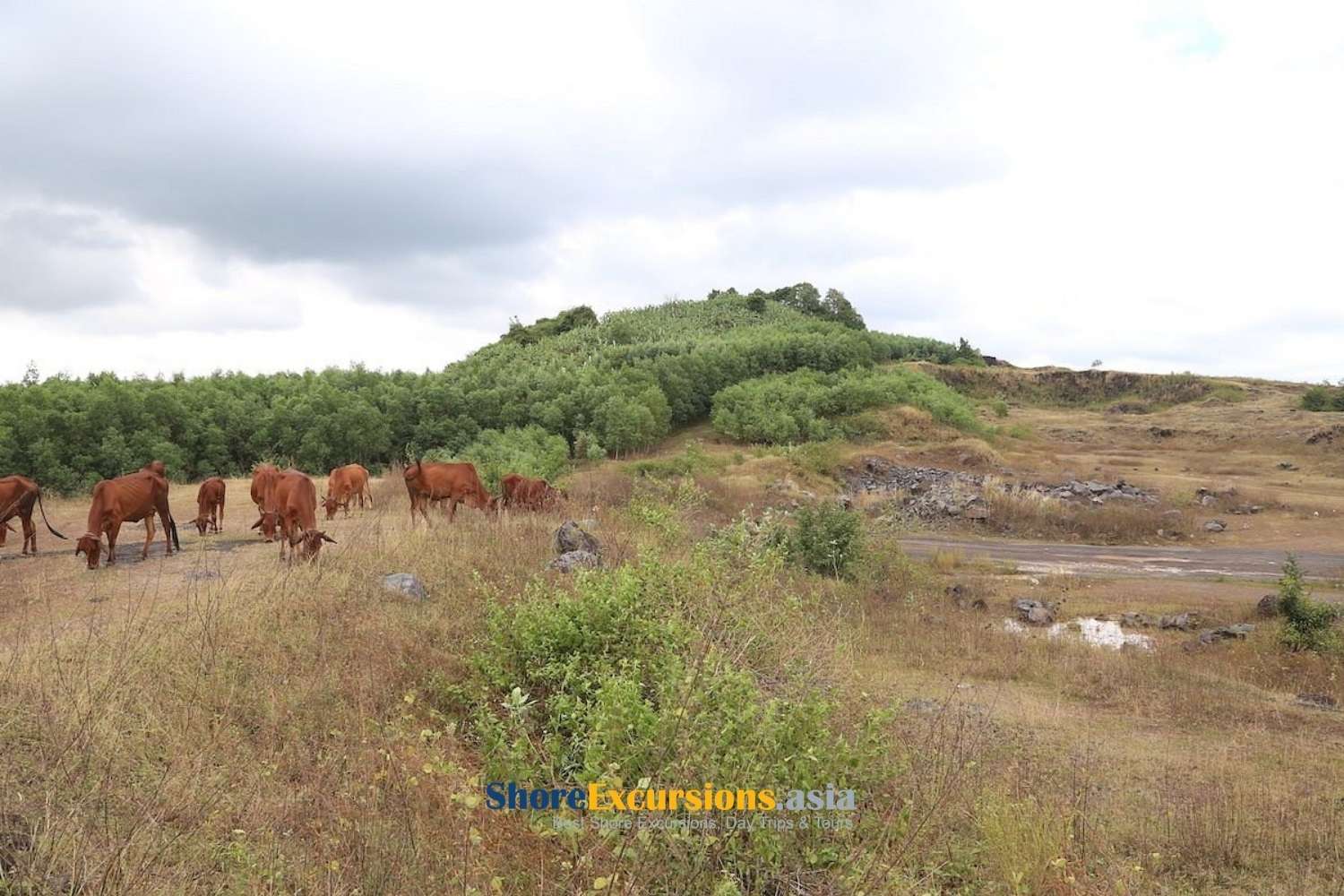
The area that once held the Nui Dat Base Vietnam now appears as peaceful countryside. Rural scenery dominates the landscape, and the environment feels calm and spacious.
The contrast between the current environment and the area’s historical role often leaves a strong impression on visitors. Many travelers appreciate the opportunity to reflect on history while standing in a location that now feels tranquil. The surrounding scenery also provides insight into daily life in rural southern Vietnam.
Limited Tourist Facilities
Travelers should understand that the Nui Dat Military Base site does not function as a developed tourist destination. There are no large visitor centers, exhibition halls, or commercial attractions in the area. Facilities at the site are minimal. Visitors should expect a simple and quiet environment.
Key points for visitors include:
- No official museum or interpretation center at the former base site
- Very limited signage explaining historical locations
- Few tourist amenities, such as restaurants or souvenir shops nearby
Because of these limitations, most travelers visit the location as part of organized historical tours. Tour operators usually combine Nui Dat with other nearby landmarks that provide additional historical context.
Guided Historical Interpretation
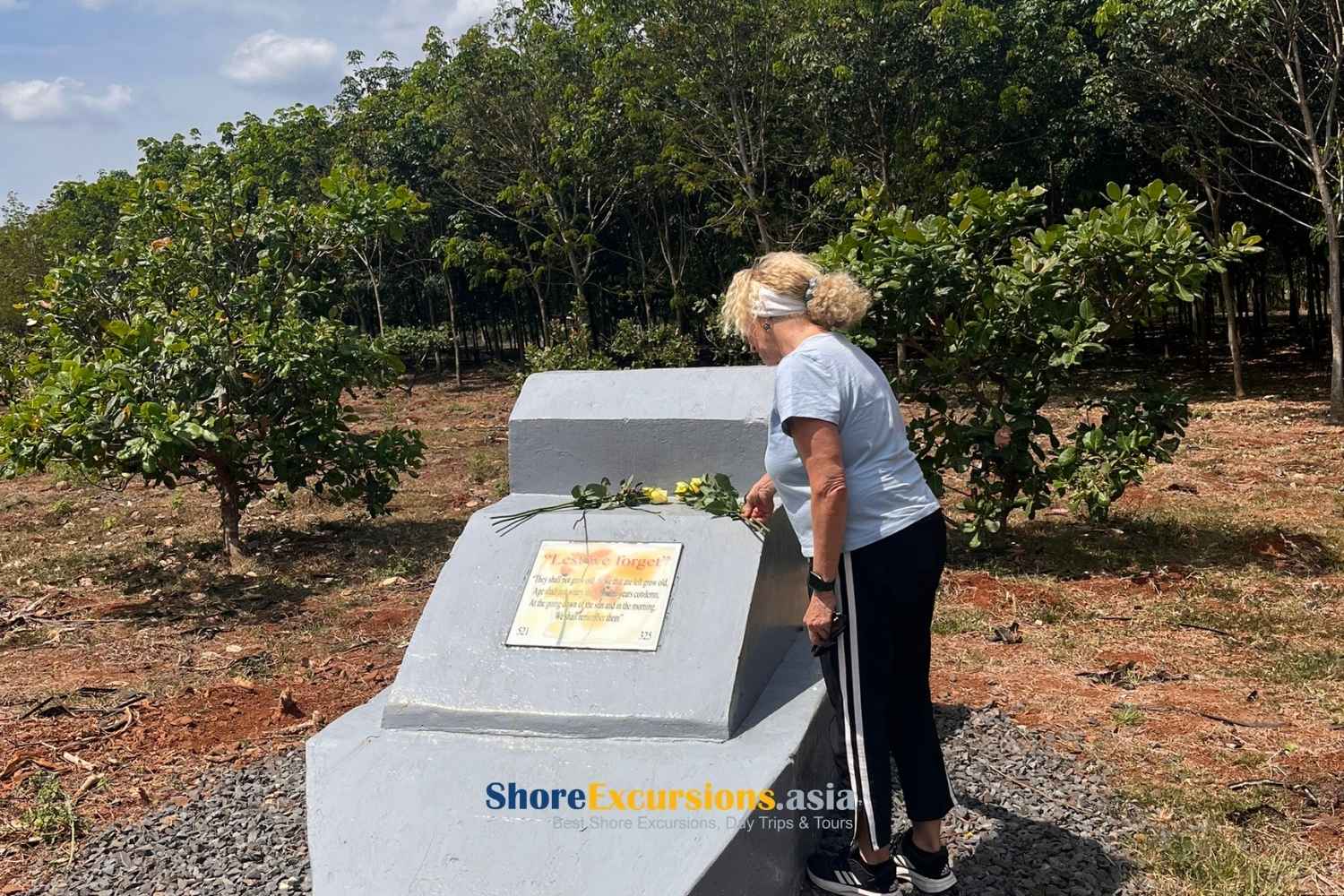
Professional guides often play an essential role when visiting the Nui Dat Australian Base area. The physical structures of the base have mostly disappeared, so explanations help visitors understand what once stood on the land. Guides typically use historical maps, photographs, and storytelling to reconstruct the layout of the base.
During a guided visit, travelers may learn about:
- The location of former command headquarters and barracks
- The position of Luscombe Airfield, which supported helicopter operations
- The role of nearby SAS Hill as an observation and defensive position
- The daily activities of soldiers stationed at the base
These explanations help visitors imagine the scale and complexity of the installation that once operated here.
Best Time To Visit 1st Australian Task Force
The best time to visit Nui Dat Task Force Base and its surroundings is during the dry season from November to April. This period offers cooler temperatures, lower humidity, and minimal rainfall, creating ideal conditions for exploring outdoor sites like Nui Dat.
March to April and November are particularly recommended as they are just before or after the peak tourist season, providing a balance of good weather and fewer crowds. These months also allow for comfortable visits to nearby attractions such as the Long Tan Cross Memorial, enriching your understanding of Australia’s military history in Vietnam.
Travel Tips for Visiting Nui Dat Task Force Base
Visiting the former Nui Dat Base offers a meaningful historical experience, especially for travelers interested in military history and regional heritage. Proper preparation can help make the visit more comfortable and informative.
- Wear comfortable walking shoes
- Bring sun protection such as a hat and sunscreen
- Carry drinking water, especially during hot months
- Join a guided tour for historical explanations
- Respect the site as a place with historical significance
- Allow enough travel time if returning to a cruise ship at Phu My Port
Exploring Nearby Tourist Attractions
A visit to the former Nui Dat Task Force Base often becomes more rewarding when travelers explore nearby attractions in Ba Ria – Vung Tau Province. The surrounding region offers a mix of historical landmarks, coastal scenery, and cultural destinations.
Long Tan Cross Memorial
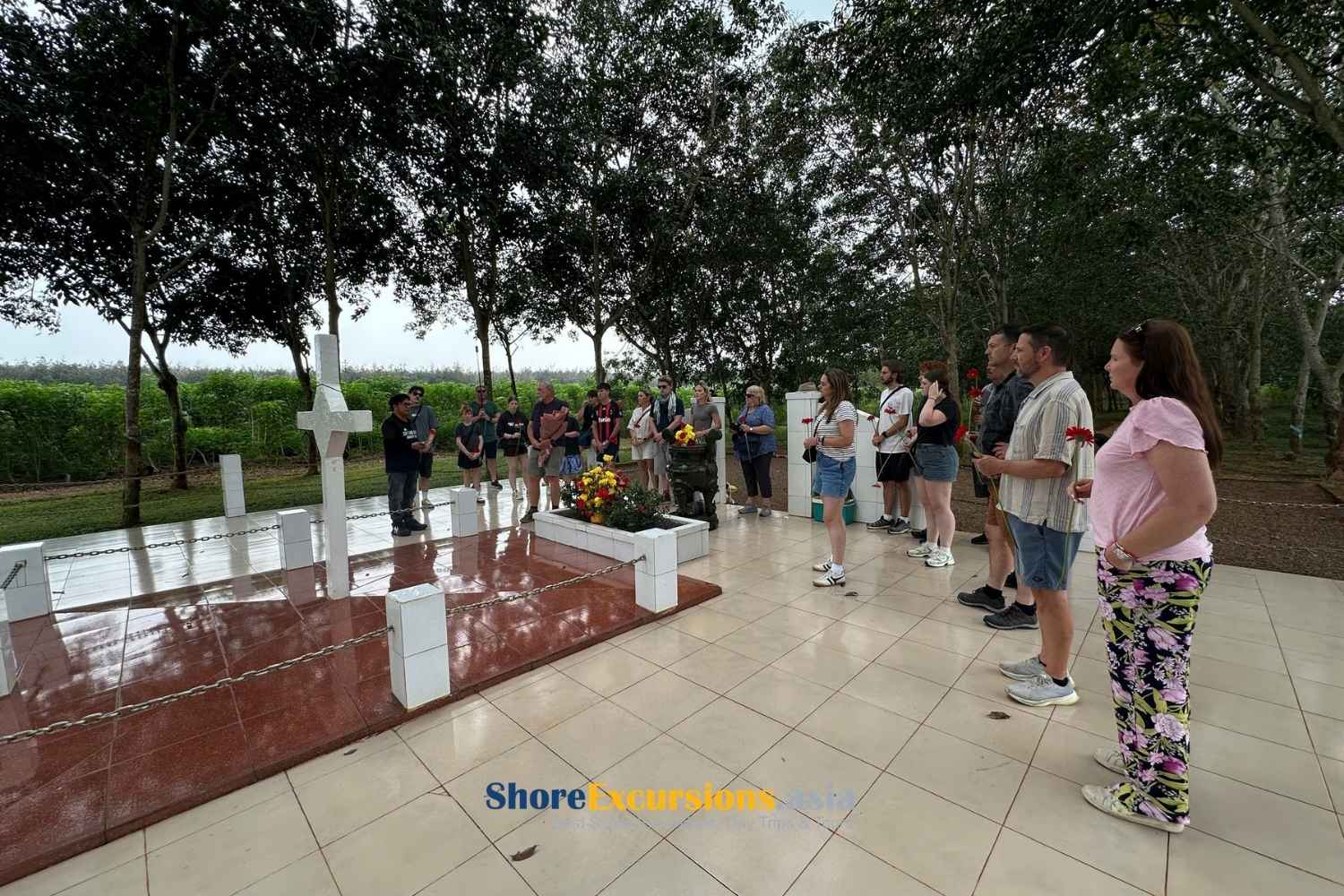
The Long Tan Cross Memorial stands about 10 kilometers from the former nui dat army base area. The memorial marks the site of the Battle of Long Tan, which took place in August 1966 in a nearby rubber plantation.
The original cross was erected by Australian soldiers in 1969 to honor those who lost their lives during the battle. Today, the memorial remains an important place of remembrance for veterans and visitors interested in history. Visitors who stop here often appreciate the peaceful atmosphere and the historical context provided by guides.
Vung Tau City Center
Vung Tau is a coastal city located about 30 kilometers southwest of Nui Dat. The city serves as one of the most popular seaside destinations in southern Vietnam. Visitors can enjoy a mix of scenic beaches, historic landmarks, and vibrant local culture. The relaxed coastal atmosphere makes Vung Tau a pleasant stop for travelers who want a break after exploring historical sites.
Popular attractions in the city include:
- Vung Tau Front Beach and Back Beach, which offer long sandy coastlines
- Christ of Vung Tau Statue, one of the largest Jesus statues in Asia
- Vung Tau Lighthouse, which provides panoramic views of the coastline
- Colonial-era villas and churches built during the French colonial period
Ho Tram Beach
Ho Tram Beach lies about 40 kilometers northeast of Nui Dat and offers one of the most tranquil coastal environments in Ba Ria – Vung Tau Province. The beach stretches along a quiet section of coastline with soft sand and clear water. Compared with more crowded beach destinations, Ho Tram maintains a relaxed and natural atmosphere.
Visitors often choose this destination for relaxation after a day of sightseeing. Activities at Ho Tram Beach may include:
- Swimming and sunbathing along the quiet shoreline
- Enjoying fresh seafood at seaside restaurants
- Taking scenic walks along the coast
- Visiting nearby luxury beach resorts
Binh Chau Hot Springs
Located about 60 kilometers north of Nui Dat, Binh Chau Hot Springs is a natural thermal spring complex surrounded by forested landscapes. The mineral-rich waters in this area have long been known for their relaxing and therapeutic qualities. Many travelers visit the springs to unwind and experience a different side of southern Vietnam’s natural environment.
Visitors can enjoy several activities at the hot springs:
- Soaking in natural mineral pools
- Relaxing in mud bath treatments
- Walking through landscaped gardens and forest areas
- Boiling eggs in naturally heated spring water
Dinh Co Temple
Dinh Co Temple stands near Long Hai Beach, about 30 kilometers from the former Nui Dat Australian Base Area. The temple is dedicated to Thuy Long Thanh Mau, a sea goddess worshipped by coastal fishing communities. Local legend tells the story of a young woman whose spirit later became associated with protection for fishermen at sea. The temple developed into an important spiritual site for residents of the region.
Nui Dat Task Force Base holds great historical significance as a pivotal site during the Vietnam War. It served as the operational headquarters for Australian and New Zealand forces, playing a crucial role in various military operations. Today, visitors on Vietnam shore excursions can explore this historic site, gaining insights into the strategic importance of Nui Dat and the broader context of the conflict. The base stands as a poignant reminder of the sacrifices made and the enduring impact of the war on both the soldiers and the Vietnamese landscape.


 Contact Us via Messenger
 Send Inquiry