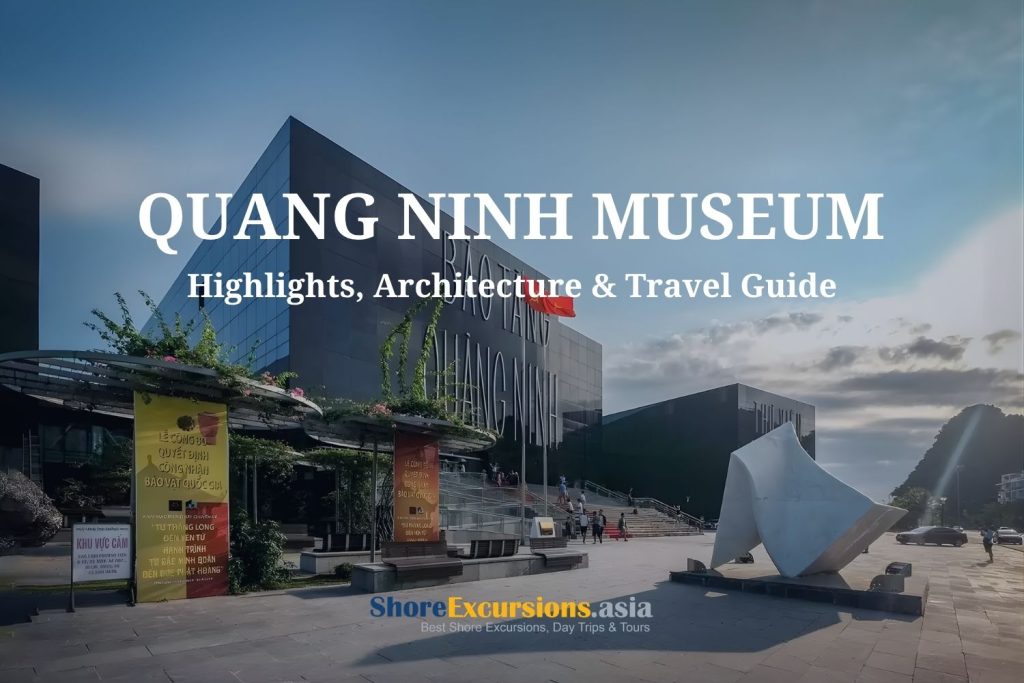
The Quang Ninh Museum stands among the most impressive cultural attractions in northern Vietnam. The museum sits along the quiet waterfront of Ha Long, not far from the famous Ha Long Bay. Many travelers visit the bay for its limestone islands and emerald waters. However, the museum offers a deeper understanding of the region’s history and culture on Vietnam shore excursions.
The museum presents stories about nature, local communities, and the coal industry. The building itself attracts many visitors because of its striking architecture. Travelers who enjoy history, culture, and architecture often place Quang Ninh Museum on their Ha Long Bay shore excursions.
Overview of Quang Ninh Museum
The Quang Ninh Museum stands as one of the most distinctive cultural landmarks in Ha Long City. The museum attracts visitors with its striking black glass architecture and its rich historical exhibitions. Many travelers visit the site to better understand the heritage of Quang Ninh Province.
Where Is The Quang Ninh Museum?
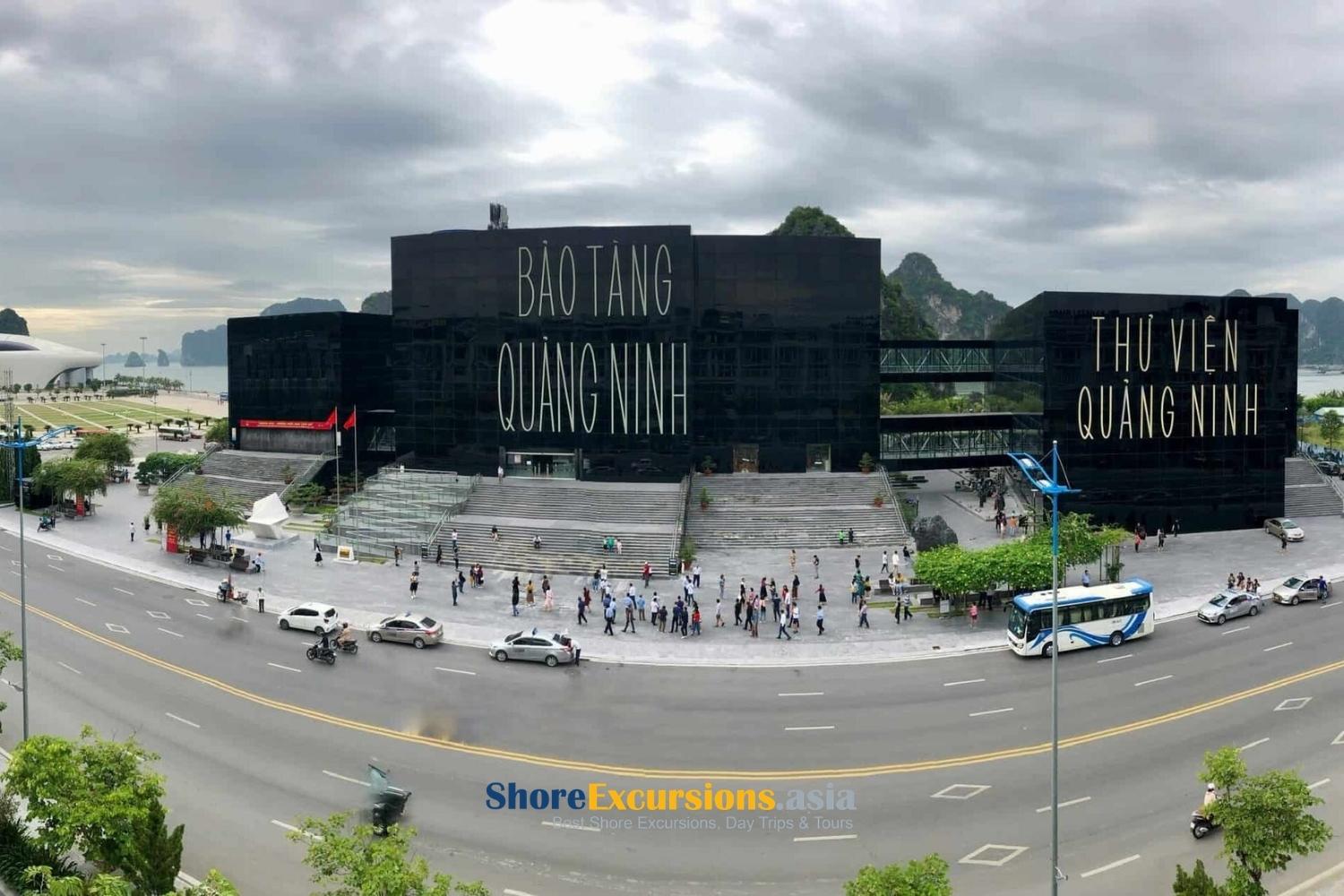
Quang Ninh Museum sits along Tran Quoc Nghien coastal road in Hong Gai District. The museum faces the beautiful waterfront of Ha Long Bay. The location is convenient for cruise passengers arriving in Ha Long International Cruise Port.
Tour vehicles usually reach the museum within a short drive. Travelers often combine a museum visit with nearby sightseeing activities. Many tours also include stops at markets, temples, and coastal viewpoints in the same area.
Address: Tran Quoc Nghien Street, Hong Gai Ward, Ha Long City
Distance From Major Cruise Ports:
- From Hon Gai International Passenger Port: about 5 minutes by car
- From Ha Long International Cruise Port: about 15 minutes by car
Ticket Price and Opening Hours
The museum normally opens during standard daytime hours. Visitors often explore the museum during the morning or early afternoon. This schedule allows enough time to enjoy other top places to visit near Ha Long cruise port later in the day.
Opening Hours:
- Morning: 8:00 AM – 12:00 PM
- Afternoon: 1:00 PM – 5:00 PM
- Open daily
Admission Fees:
- Adults: 40,000 VND
- Students: 20,000 VND
- Children: 10,000 VND
Why the Quang Ninh Museum Stands Out?
The museum is widely considered one of Vietnam’s most modern cultural institutions. The exhibition spaces use multimedia displays and interactive models. These features help visitors understand complex historical stories.
The building also attracts photographers and architecture enthusiasts. Many visitors stop at the Quang Ninh museum simply to admire its striking exterior. The quiet waterfront setting creates a pleasant atmosphere for a relaxed cultural visit.
The History Behind Quang Ninh Museum in Vietnam
The Quang Ninh Museum was created to preserve and present the rich heritage of Quang Ninh Province. The region holds a long history shaped by maritime trade, coastal communities, and coal mining. These historical layers form an important part of northern Vietnam’s cultural identity.
Cultural Significance of Quang Ninh Province
Quang Ninh Province holds an important place in the history of northern Vietnam. The region sits along the Gulf of Tonkin and borders China. This location supported trade, cultural exchange, and maritime activity for many centuries.
Several historical and cultural factors shaped the province:
- Ancient coastal civilizations: Archaeological studies link the region to the Ha Long Culture, which dates back about 3,000 – 5,000 years. Researchers found stone tools, pottery, and shell remains in caves and coastal islands. These discoveries show that early communities depended on fishing and marine resources.
- Historic international trade: The Van Don Trading Port was established in the 12th century during the Ly Dynasty. The port expanded during the Tran Dynasty. Merchant ships from China, Japan, and Southeast Asia regularly traded goods here.
- Coal mining heritage: Large coal deposits were discovered in the 19th century. Mining expanded during French colonial rule in Vietnam. Coal production later became a major economic foundation for the province.
Today, the Quang Ninh Museum presents these historical themes through well-organized exhibitions. Visitors can understand how geography, trade, and industry shaped the identity of Quang Ninh Province.
Development of the Quang Ninh Museum
The modern museum was created to preserve the cultural heritage of Quang Ninh. Local authorities proposed the project in the early 2000s to support cultural education and tourism.
Key milestones in the museum’s development include:
- Construction and location: Construction began in 2012 in the Hon Gai district of Ha Long. The museum forms part of a cultural complex that also includes the Quang Ninh Provincial Library.
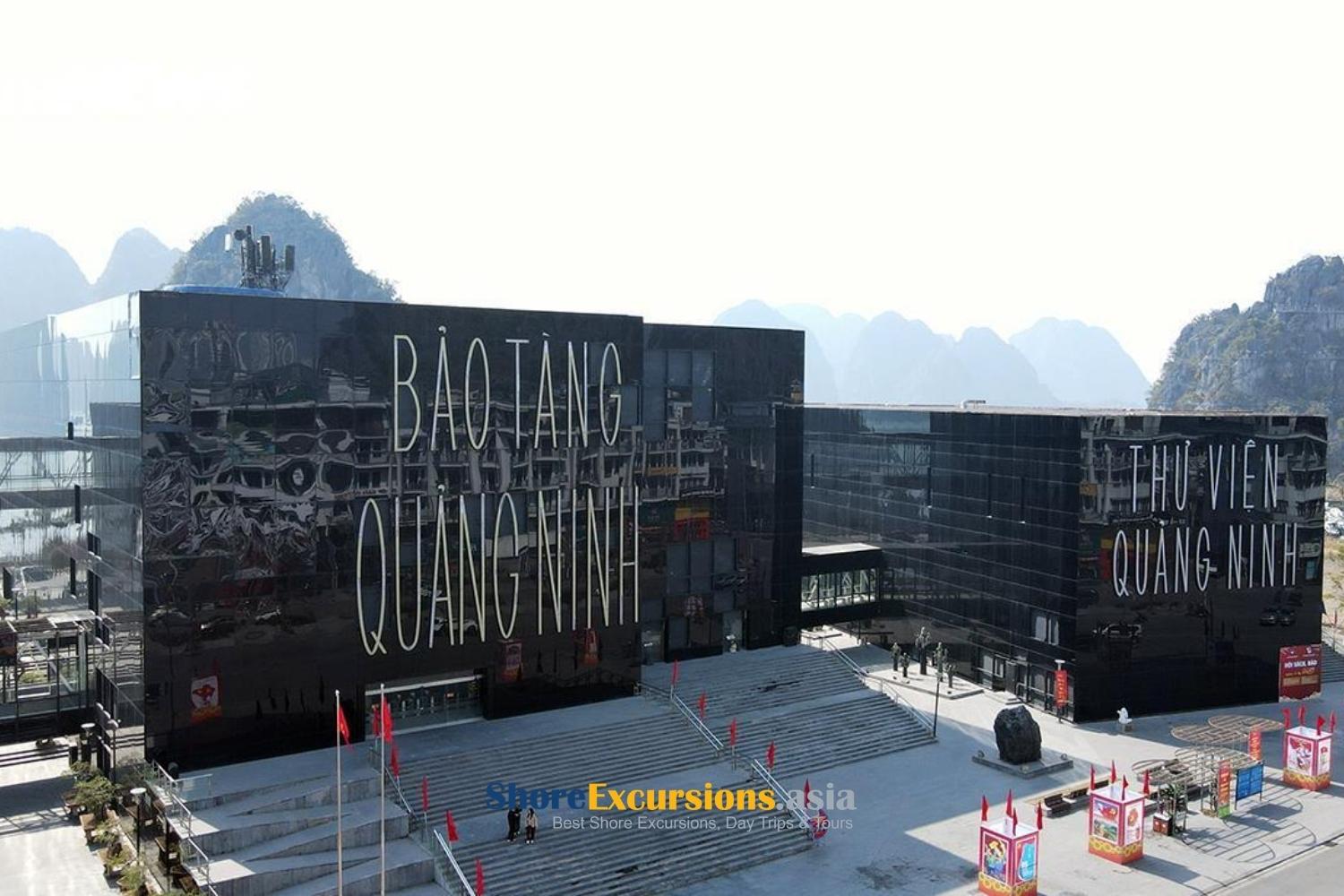
- Architectural design: The building was designed by Spanish architect Salvador Pérez Arroyo. The exterior features large black glass panels that reflect the sea and skyline. The dark design symbolizes coal, the province’s most important natural resource.
- Opening and purpose: The Quang Ninh museum opened to the public in 2013. Its exhibitions present natural history, cultural traditions, and the development of the coal industry.
Today, Quang Ninh museum serves as an important cultural landmark in Ha Long. Many travelers visit the museum to enrich their experience of Ha Long Bay and the surrounding region.
What to See Inside Quang Ninh Museum
Inside, Quang Ninh Museum unfolds like a narrative journey through time and space. Its spacious and light-filled interiors are thoughtfully curated across multiple floors, each dedicated to different facets of Quang Ninh’s rich cultural and historical tapestry. The museum’s exhibits seamlessly blend natural history, environmental conservation, and cultural heritage, offering visitors a comprehensive understanding of the region’s evolution from ancient times to the present day.
Each floor of the museum is thoughtfully curated to provide a comprehensive perspective of Quang Ninh’s rich cultural and natural heritage:
Ground floor: Nature and marine life
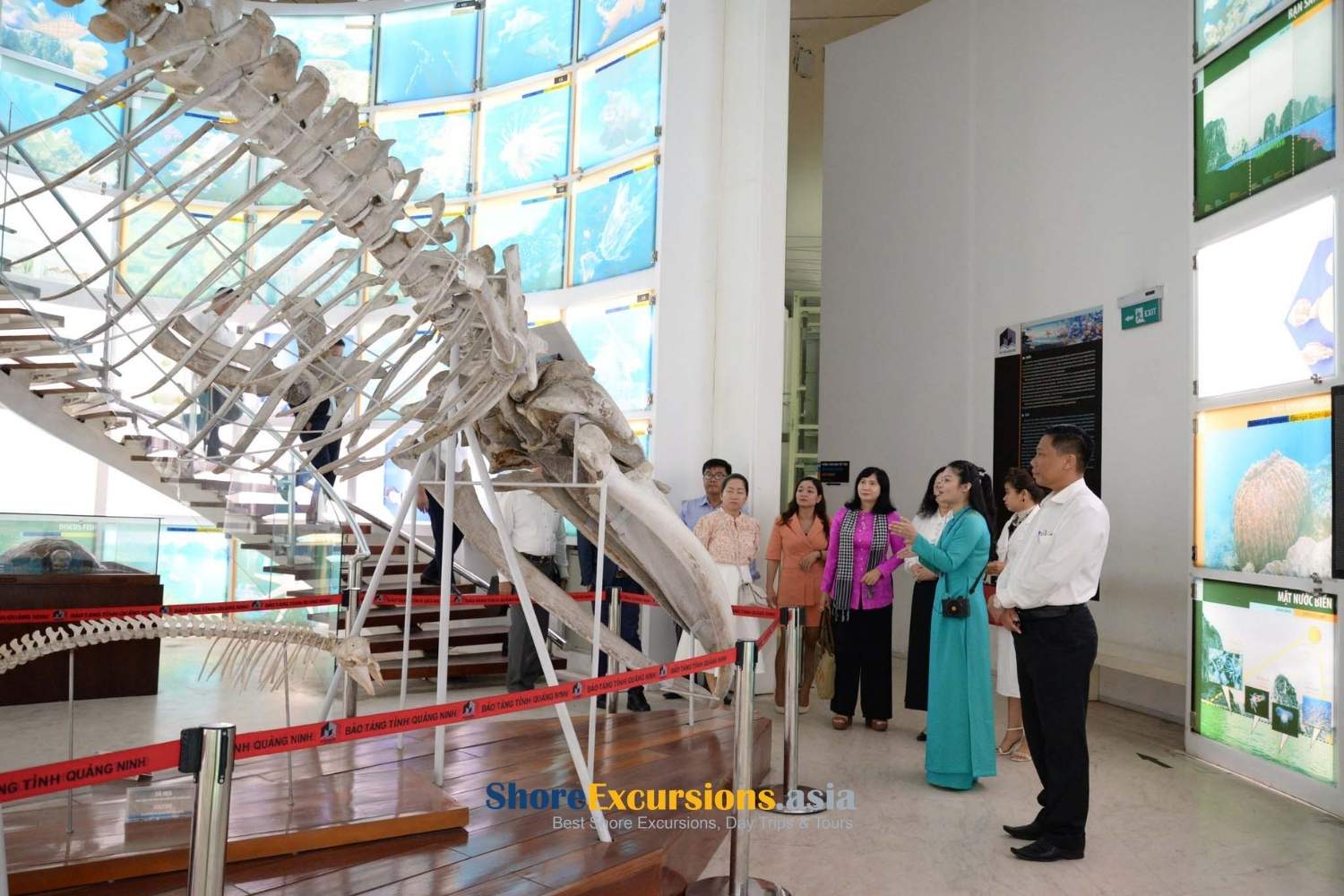
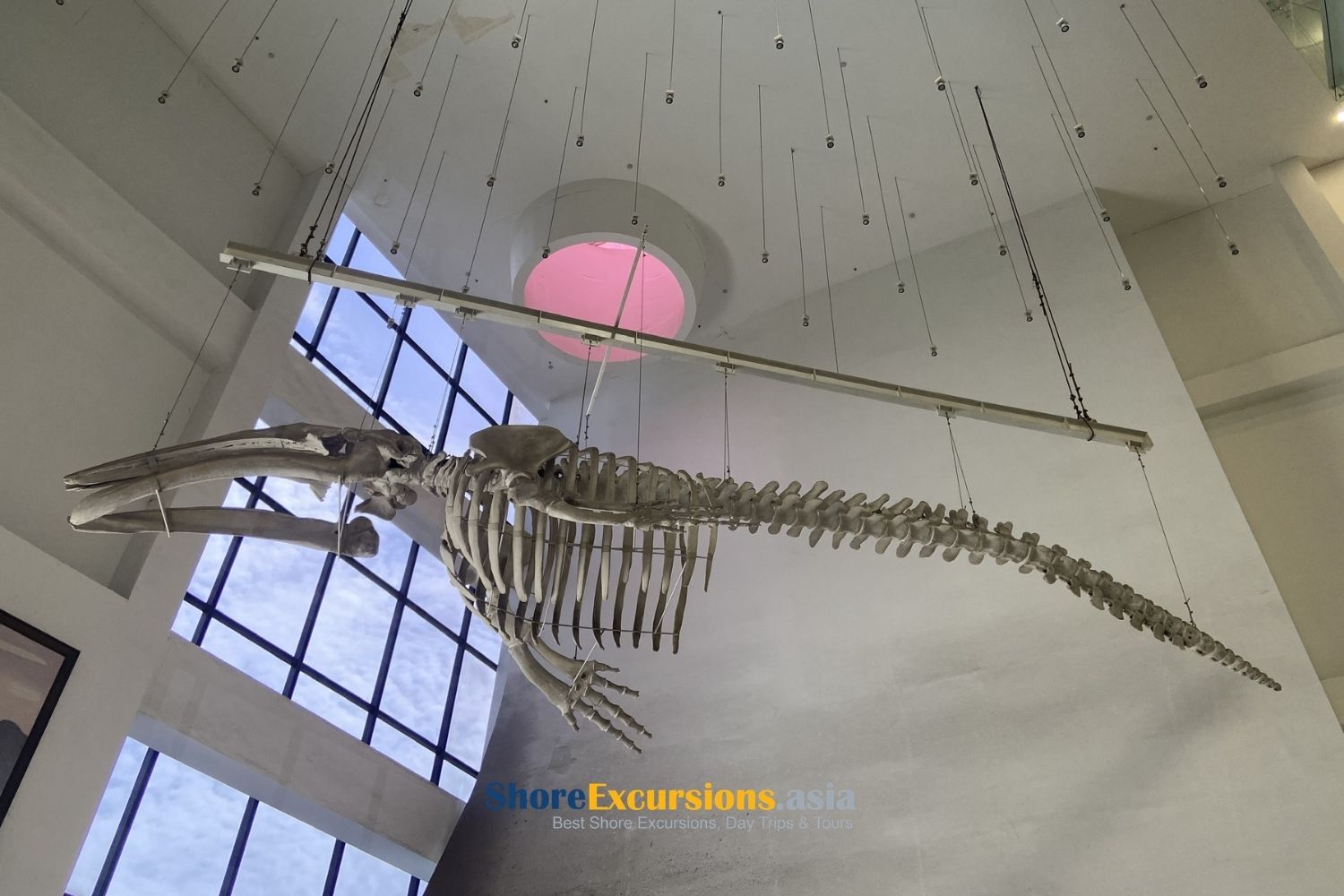
The ground floor introduces visitors to the natural environment of Quang Ninh. Displays explain the geological history of the region. Visitors learn how limestone formations shaped the landscape of Ha Long Bay.
Large models show marine ecosystems and coastal habitats. The exhibits include fish species, fossils, and marine samples. These displays help visitors understand the biodiversity of the bay. The layout is spacious and easy to follow. Clear explanations make the exhibits suitable for travelers of all ages.
Second floor: History and culture of Quang Ninh Province
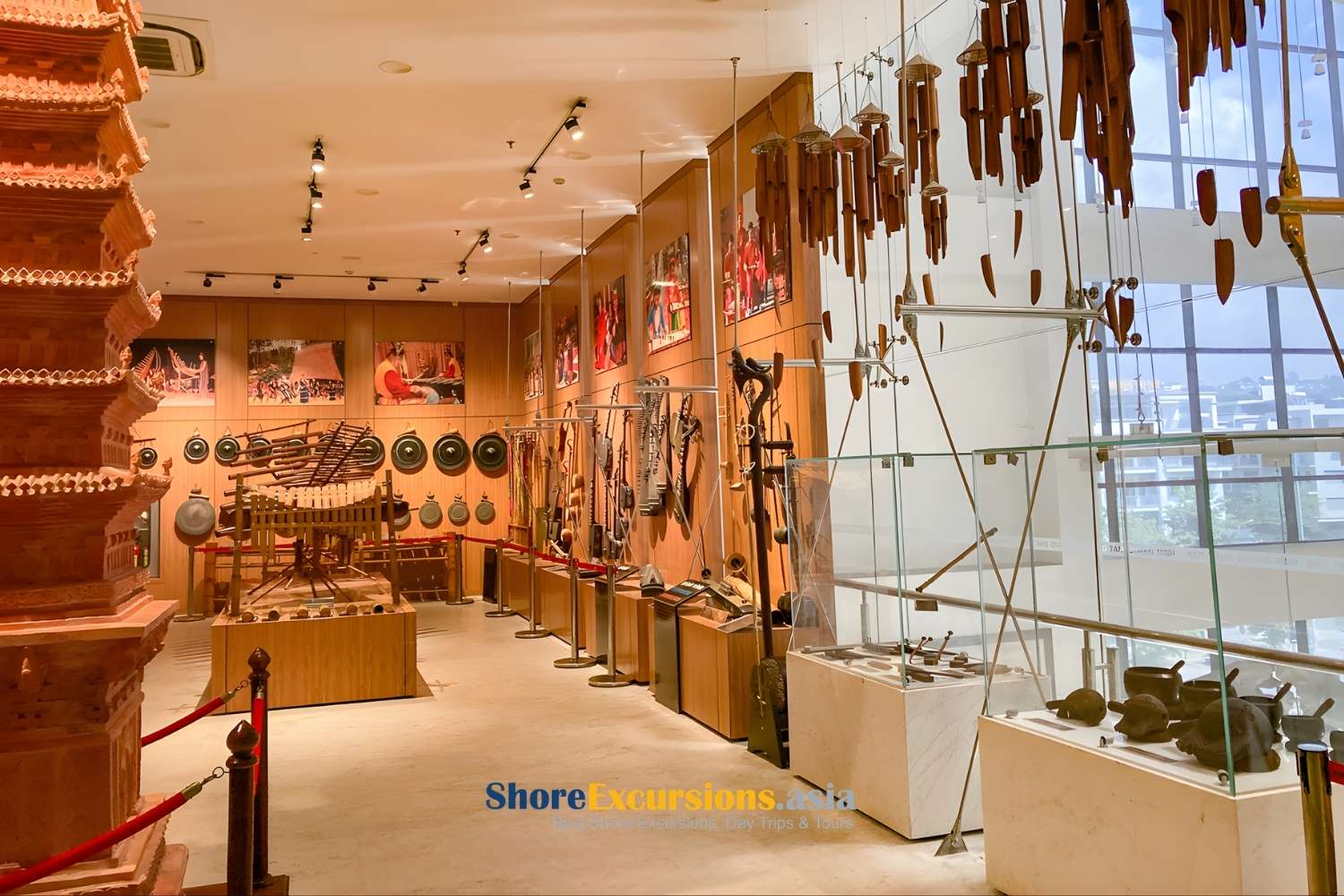
The second floor of Quang Ninh Museum unveils a captivating journey through history, encompassing diverse exhibitions that delve into Vietnam’s rich cultural tapestry and historical milestones:
- History Exhibition Space: This area traces Quang Ninh’s history from the prehistoric Pre-Ha Long culture to the Dai Viet period. Through artifacts and displays, it highlights the development of Ha Long culture and the region’s strategic and cultural importance across feudal and early modern eras.
- Buddhism – Yen Tu And The Tran House: Designed like a large boat bed, this space showcases archaeological artifacts from prehistoric times to the Dai Viet era. Many items from the Tran Dynasty reflect a peak of cultural, architectural, and artistic achievement, while emphasizing the long-lasting heritage of Ha Long culture.
- Revolutionary War Artifacts: This section displays artifacts related to Quang Ninh’s resistance during the wars against French and American forces. Though smaller in size, it powerfully honors the courage and sacrifices of local people defending their homeland.
- Antiquities Room: The Antiquities Room houses artifacts from Quang Ninh and neighboring countries such as China and Japan. These items reflect historical trade connections and the key role of Van Don port as a vibrant hub of regional commerce and cultural exchange.
Through these meticulously curated exhibitions, Quang Ninh Museum invites visitors to embark on a profound exploration of Vietnam’s cultural heritage, from ancient civilizations to the transformative periods of dynastic rule and revolutionary struggle. Each display area not only showcases remarkable artefacts but also offers a narrative that resonates with the spirit of resilience, cultural pride, and historical continuity deeply rooted in Quang Ninh’s identity
Third Floor: Cultural Heritage And Coal Mining Industry
Coal mining is deeply connected to the identity of Quang Ninh, so it becomes a major highlight at the museum. The entire third floor is dedicated to this important industry, allowing visitors to understand both its history and the lives of miners.
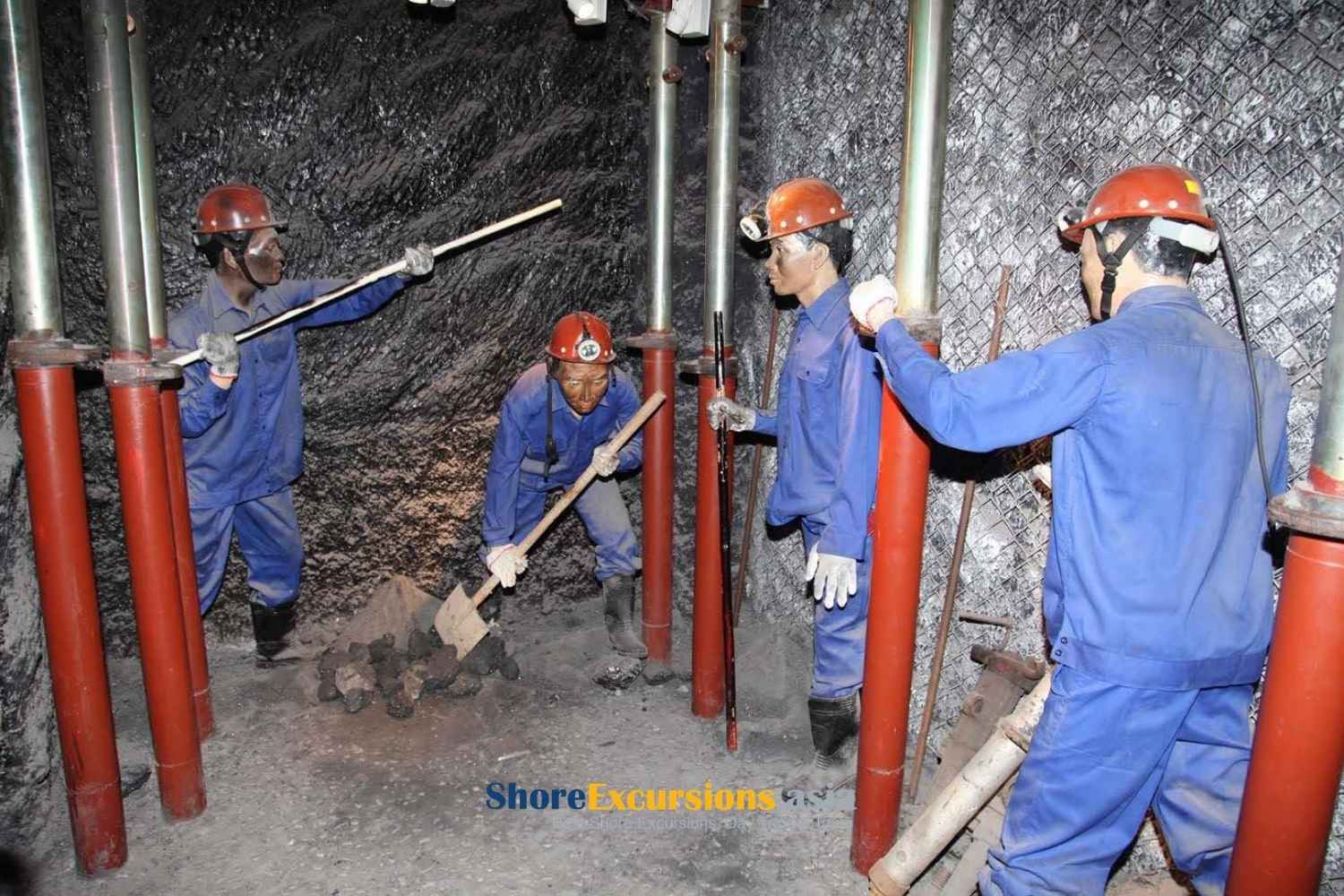
Here, visitors can explore meticulously crafted coal mine models that replicate the exact dimensions and environment of underground operations. Additionally, lifelike statues depict the laborious methods employed by workers, offering a profound and immersive insight into the challenging and strenuous nature of coal mining in Quang Ninh.
The Ethnic themed exhibition area at Quang Ninh Museum is meticulously designed as an expansive, open space featuring numerous small display clusters that vividly characterize the distinct cultural features of the ethnic groups residing in Quang Ninh province. Here, visitors encounter a rich tapestry of images and artefacts depicting the daily lives, unique cultures, and traditional labor methods of these diverse ethnic communities.
Adjacent to this area lies the Thematic exhibition space titled “Uncle Ho with the Ethnic People of Quang Ninh”. This exhibition seamlessly connects with the Ethnic exhibition area, offering an immersive journey into the profound connection between Ho Chi Minh, affectionately known as Uncle Ho, and the ethnic communities of Quang Ninh. This thematic exhibition not only celebrates the revered leader’s contributions but also highlights his deep respect and solidarity with the local ethnic groups, fostering a deeper understanding of their shared histories and cultural heritage.
Iconic Architecture and Photo Spots at Quang Ninh Museum
The exterior of Quang Ninh Museum has become one of the most recognizable architectural landmarks in Ha Long City. The building attracts visitors with its modern design and striking reflective surface. Many travelers stop here to admire the architecture and take photos.
Several design features make the museum visually unique:
- Reflective black glass facade: The exterior uses large black glass panels. The surface reflects the sea, sky, and surrounding streets.
- Symbolic design concept: The dark color represents coal, the province’s most important natural resource.
- International architectural influence: Spanish architect Salvador Pérez Arroyo designed the building with a minimalist and modern style.
- Changing visual effects throughout the day: The reflections shift with natural light. Morning and sunset often create the most dramatic views.
Visitors can find several excellent photo spots around the museum:
- The main staircase: The wide steps create a strong foreground for architectural photos.
- The front plaza: This open area allows visitors to capture the full façade of the building.
- The waterfront road: Photographers can capture reflections of the museum together with the sea.
Early morning and late afternoon usually offer the best lighting conditions. These times also provide a quieter atmosphere for photography.
Best Time to Visit Quang Ninh Museum
The Quang Ninh Museum welcomes visitors throughout the year. However, certain times of the day and year offer a more comfortable experience. Weather conditions and visitor flow can influence the quality of your visit. Travelers who prefer a calm and relaxed environment should consider the following periods.
| Time to Visit | Why It Is Recommended | Visitor Experience |
|---|---|---|
| Morning | Cooler weather and fewer visitors | Travelers can explore Quang Ninh Museum comfortably. The morning light also creates beautiful reflections on the glass facade. |
| Late Afternoon | Soft sunlight and calmer atmosphere | The exterior shows warm sunset colors. Many visitors stop here after returning from Ha Long Bay cruises. |
The best time to visit Quang Ninh Museum is during spring and autumn. These seasons usually offer mild temperatures and more comfortable weather in Ha Long:
- Spring lasts from March to May and often brings pleasant conditions for sightseeing.
- Autumn, which runs from September to November, usually has cooler air and clearer skies.
Visitor Guidelines For Quang Ninh Museum
In addition to checking the museum’s opening hours and ticket prices, visitors are encouraged to observe the following guidelines for a complete and respectful visit:
- Adhere to museum rules and regulations, including refraining from touching artifacts, no smoking, and proper disposal of garbage.
- Respectful behavior such as no running or playing inside the museum premises.
- The museum offers professional interpreters fluent in both Vietnamese and English. For themed tours or group visits, it is advisable to contact the museum in advance.
- A souvenir counter is available, offering publications about the museum, Quang Ninh tourism, handicrafts, and souvenirs, making it convenient for purchasing gifts.
- Refreshment stands and a café are situated within the museum area to cater to visitors’ dining and relaxation needs.
These guidelines from Vietnam Shore Excursions ensure a rewarding and enjoyable experience for all visitors exploring the cultural richness and historical significance of Quang Ninh Museum.