

Beneath the bustling surface of Ho Chi Minh City lies a remarkable relic of history – the Cu Chi Tunnels of Saigon. Revered as one of Southeast Asia’s top adventurous destinations and among the globe’s most intriguing underground wonders, this labyrinthine complex transports visitors back in time to the tumultuous era of Vietnamese history.
The Cu Chi Tunnels, spanning decades old and intricately designed, epitomize a sophisticated maze concealed beneath the earth’s surface. Here, visitors on Ho Chi Minh shore excursions can immerse themselves in the gripping narrative of wartime Vietnam, gaining firsthand insights into the resilience and ingenuity of Vietnamese soldiers.
Overview about Cu Chi Tunnels
The Cu Chi Tunnels from Ho Chi Minh are located in Cu Chi District, about 60–70 kilometers northwest of Ho Chi Minh City. The journey by road usually takes around one and a half to two hours, depending on traffic conditions.

The site preserves a remarkable underground network that once stretched more than 250 kilometers. Local resistance fighters gradually expanded this system during the mid-20th century. The tunnels connected villages and provided shelter, communication routes, and hidden bases during wartime.
Today, the location is a major historical attraction near Ho Chi Minh City. Visitors can learn about wartime history through exhibitions, guided tours, and short documentary films. Many cruise passengers choose this destination because it offers a meaningful cultural experience within a limited travel schedule.
Key information for visitors:
- Address: Cu Chi Tunnels Historical Site, Phu My Hung Commune, Cu Chi District, Ho Chi Minh City, Vietnam
- Travel time: Around 1.5 – 2 hours by car or tour bus
- Opening hours: Daily from 7:00 AM to 5:00 PM
- Estimated visit duration: About 2 – 3 hours to explore the site
- Entrance fee: Around 90,000 VND for international visitors
Historical Background of the Cu Chi Tunnels
The history of the Cu Chi Tunnels reflects the resilience and determination of local communities during one of the most challenging periods in Vietnam’s past. Over several decades, residents and fighters created a vast underground system that allowed them to survive and organize under extremely difficult conditions.
Today, the preserved tunnels help visitors understand how this unique network developed and how people lived within it.
Early Construction (Late 1940s – Mid 1950s)
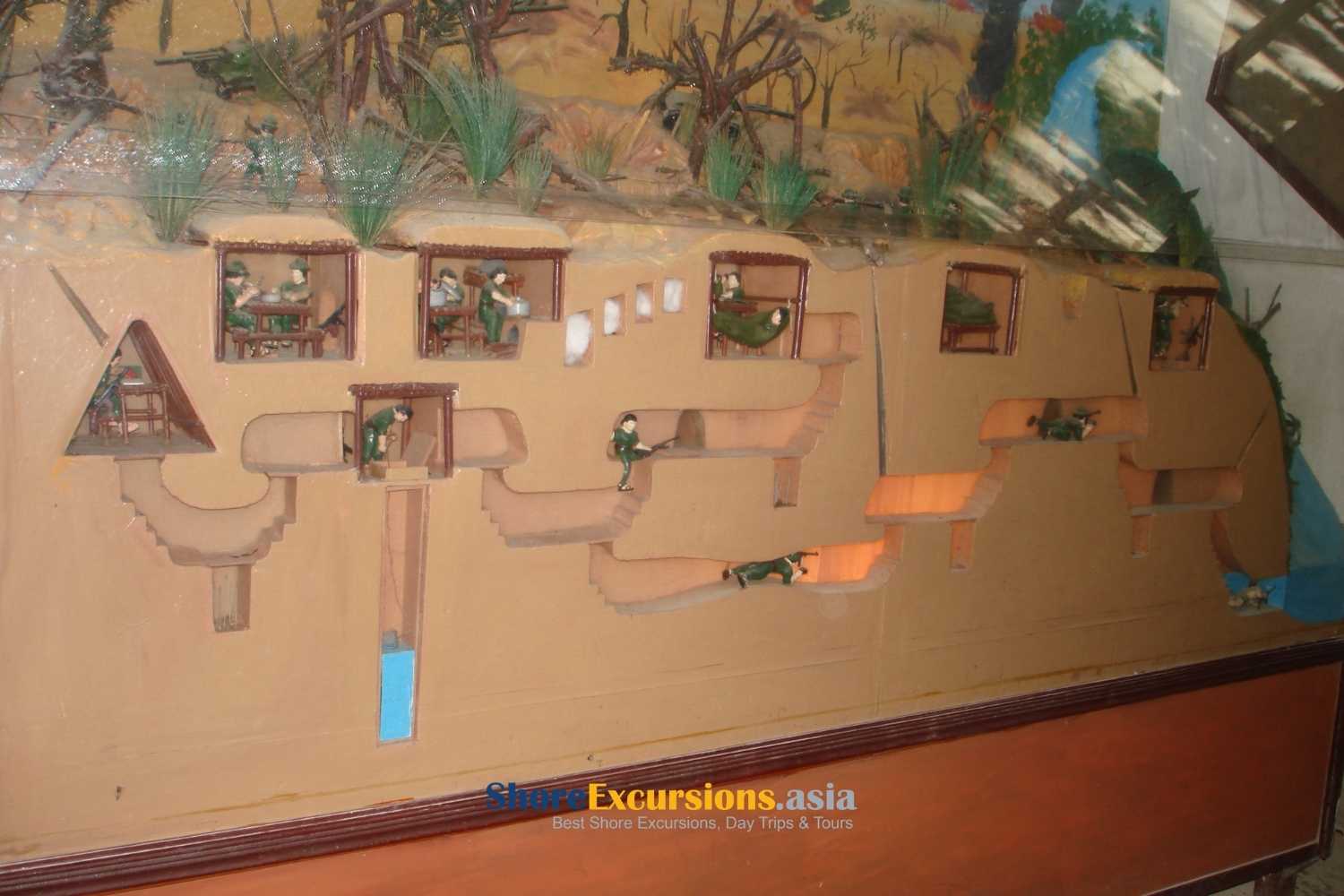
The first sections of the tunnel system appeared in the late 1940s during the period of resistance against French colonial forces. Local villagers began digging simple underground shelters to protect themselves during attacks. These early tunnels were small and basic, but they provided an effective way to stay hidden and move safely between nearby communities.
Over time, residents gradually connected these shelters to create longer underground passages. The tunnels helped fighters communicate and transport supplies without being detected. This early phase laid the foundation for the extensive system that would later develop in Cu Chi District.
Key purposes of the early tunnels included:
- Providing hidden shelters during military operations
- Allowing safe movement between villages
- Protecting weapons and important supplies
- Creating secret meeting locations for local resistance groups
These initial tunnels were dug entirely by hand using simple tools. The work required patience and cooperation among many villagers.
Expansion During the War in Vietnam(Early 1960 – 1975)
During the Resistance War Against the United States, the tunnel network expanded dramatically. Local fighters and residents worked together to enlarge and connect the underground passages across large areas of Cu Chi District. The system eventually stretched for more than 250 kilometers.
The tunnels became a strategic base for guerrilla forces operating in southern Vietnam. They allowed fighters to move secretly beneath the ground while avoiding detection. The network also helped protect communities from air strikes and ground attacks.
During this period, the Cu Chi tunnels served several strategic roles:
- Acting as hidden military bases for guerrilla fighters
- Providing protected routes for transporting food and equipment
- Allowing soldiers to launch surprise attacks and retreat safely
- Supporting communication between different resistance units
The underground system became one of the most important resistance strongholds near Ho Chi Minh City. Its complex design helped fighters survive despite overwhelming military pressure.
Life Inside the Cu Chi Tunnels

Life inside the tunnels required extraordinary resilience. The underground spaces were narrow, dark, and often humid. Despite these harsh conditions, the residents organized daily life in a surprisingly efficient way.
The tunnel system functioned like a hidden underground village. Different sections served specific purposes, which allowed people to live and work beneath the surface for extended periods.
The Cu Chi tunnels included many functional areas, such as:
- Living quarters where soldiers and villagers rested
- Kitchens designed with special ventilation systems to hide smoke
- Storage rooms for food, equipment, and medical supplies
- Small underground hospitals for treating wounded fighters
- Meeting rooms used for planning and communication
Special cooking systems helped release smoke through hidden vents far from the kitchen. This design reduced the chance of enemy forces detecting activity below the ground.
Even under difficult conditions, communities in the tunnels continued their daily routines. People cooked meals, treated injuries, and planned defensive strategies. Their resourcefulness and determination allowed them to maintain the underground network for many years.
Today, guided shore excursions to Cu Chi Tunnels explain these historical details to visitors. By walking through parts of the preserved tunnels, travelers can better understand the extraordinary efforts that shaped this important historical site.
What to See at Cu Chi Tunnels Today?
A visit to the Cu Chi Tunnels offers much more than a simple historical tour. The site preserves many wartime structures and exhibits that help visitors understand how the underground network functioned in the past. Guides usually lead small groups through different areas and provide historical explanations along the way.
Tunnel System Experience
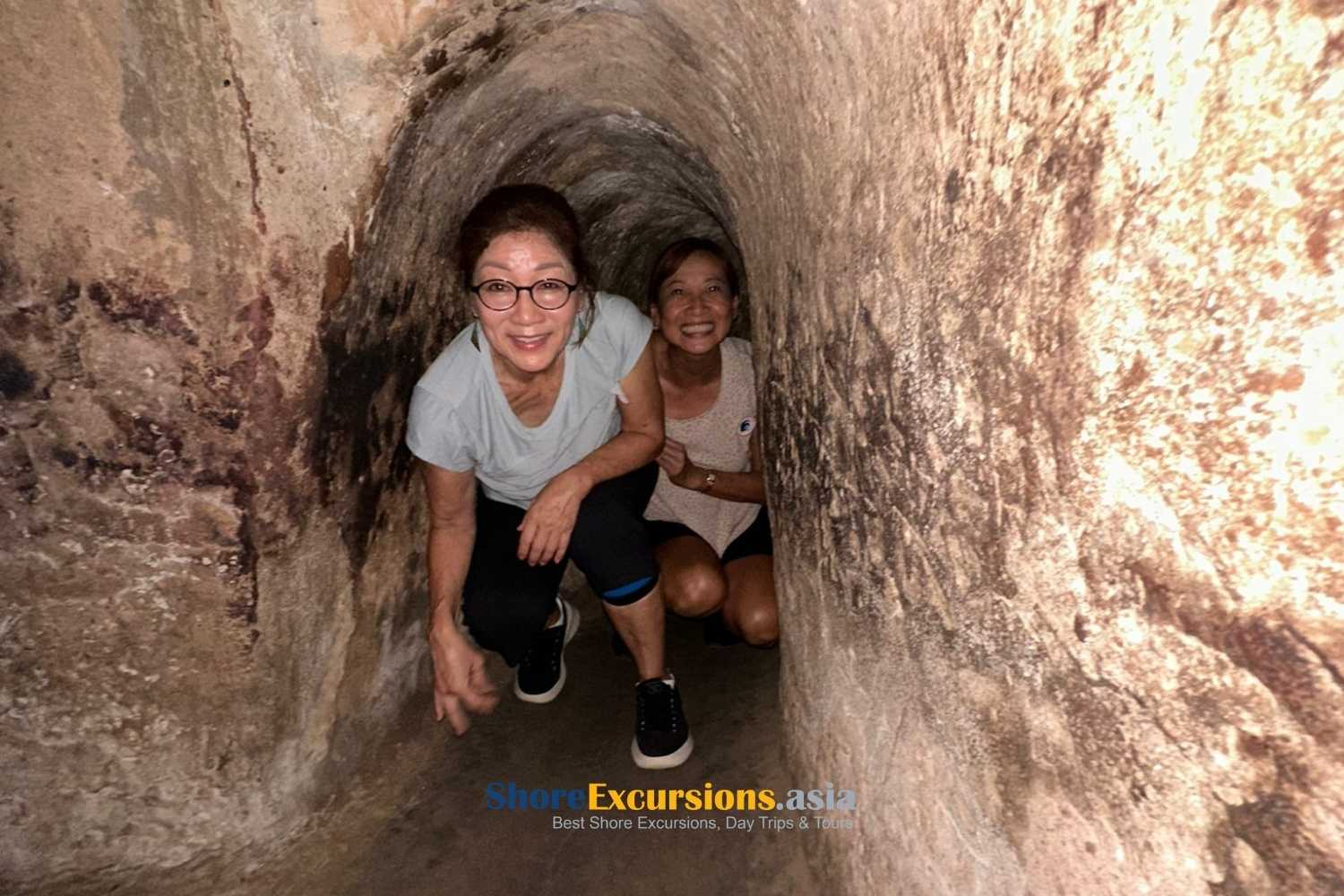
One of the most memorable parts of the visit is the opportunity to enter the tunnel system. Several sections of the tunnels have been carefully preserved and slightly widened to allow visitors to crawl through them safely. This activity helps travelers understand the narrow and challenging conditions that soldiers experienced underground.
The Cu Chi tunnels remain low and compact, so the experience can feel adventurous. Visitors move slowly through the dim passages while guides explain how the tunnels connected different areas of the base. The experience often leaves a strong impression on travelers who want to learn more about wartime survival strategies.
Visitors can expect to:
- Crawl through short sections of the underground tunnel network
- See hidden entrances that blend into the forest floor
- Learn how ventilation shafts supplied fresh air underground
- Understand how soldiers moved between different tunnel levels
War Artifacts & Exhibits
The site also includes several exhibition areas that display historical artifacts used during the conflict. These exhibits at Cu Chi Tunnels help visitors understand the tools, weapons, and equipment that supported the underground resistance movement.

Many of the items were discovered in the tunnels or surrounding areas after the war. Informational panels provide context and explain how each object was used. Guides often add personal stories and historical details that make the displays more meaningful.
Common artifacts displayed at the site include:
- Military weapons used during the war
- Homemade traps designed for guerrilla defense
- Camouflage clothing and survival equipment
- Maps and historical photographs of the tunnel network
Watching Documentary Film
Most tours begin with a short documentary film that introduces the history of the site. The film usually plays in a small theater near the entrance area. It presents historical footage and interviews that explain the development of the tunnel network.
The presentation helps visitors understand the historical context before they begin exploring the site. Many travelers find that the film provides valuable background information that makes the rest of the tour easier to follow.
The documentary typically includes:
- Historical footage from the Vietnam War period
- Explanations of how the tunnel system developed
- Stories about daily life inside the underground network
- Insights into the strategic role of Cu Chi during the war
After watching the film, visitors usually continue the Cu Chi tour with a guide who leads them through the outdoor exhibits and tunnel entrances.
Trap Demonstrations
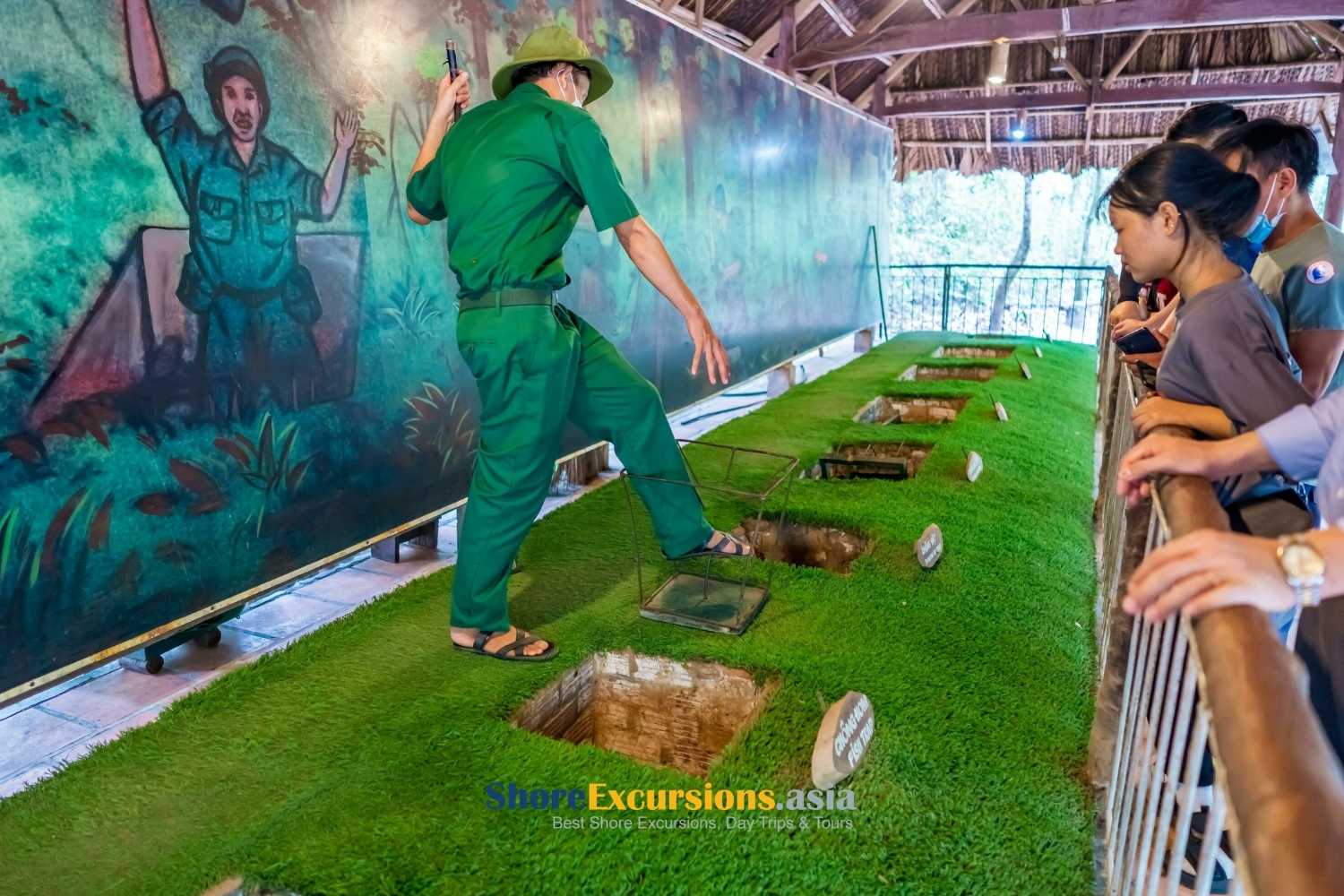
Another interesting part of the visit involves demonstrations of traditional wartime traps. During the war, fighters in Cu Chi developed a variety of defensive traps to protect their territory. Many of these devices were simple but highly effective.
Guides carefully explain how each trap worked and why it was used. Some demonstrations show replicas of the original traps that once appeared in the surrounding jungle. These explanations help visitors understand the ingenuity behind guerrilla warfare tactics.
Visitors may learn about traps such as:
- Concealed spike traps hidden beneath leaves
- Rotating door traps designed to surprise intruders
- Bamboo spike pits used for defense
- Camouflaged tunnel entrances and escape routes
These demonstrations provide insight into the strategic thinking used during the conflict. They also help visitors appreciate the creativity and resourcefulness of the people who built and used the tunnel system.
Top Experiences at Cu Chi Tunnels
A visit to the Cu Chi Tunnels offers several unique activities that help travelers understand how the underground network functioned during wartime. These experiences allow visitors to see historical structures, learn about survival strategies, and interact with the environment where the tunnels once played a vital role.
Cu Chi Tunnels Complex Tours
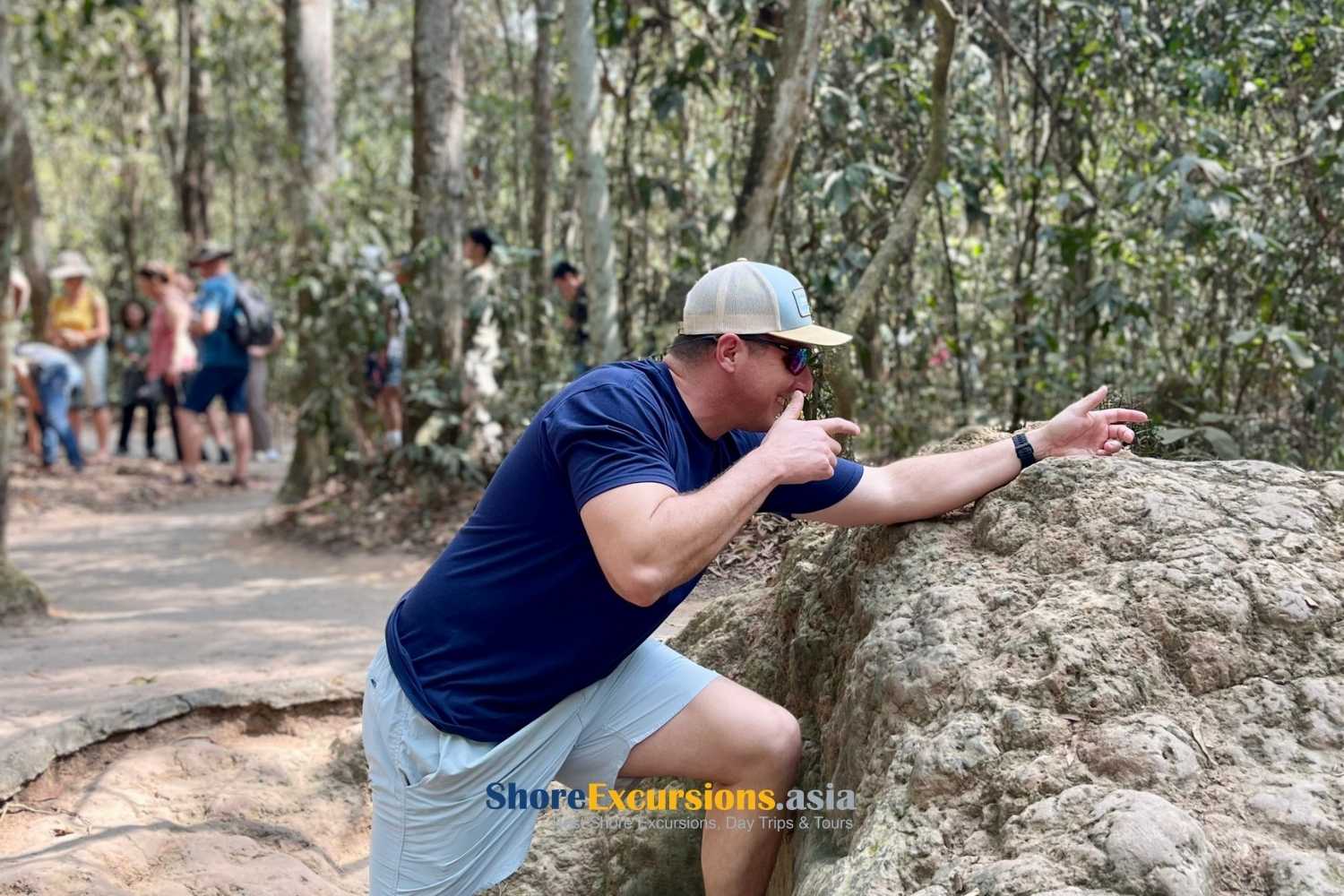
Visiting the Cu Chi Tunnels offers detailed tours at two main sites – Ben Dinh and Ben Duoc. These Ho Chi Minh City shore tours provide a close-up experience of how soldiers lived and fought during the war. You can explore narrow tunnels and see where people slept, ate, and hid.
At both Ben Dinh and Ben Duoc, there are historical landmarks and interactive exhibits. These include maps, photos, and artifacts that show how the tunnels were used during the war. Guides explain the history behind each exhibit, giving visitors a deeper understanding of the tunnels’ importance.
The tours at the Cu Chi Tunnels are informative and let you explore Vietnam’s wartime history firsthand. It’s a chance to see and learn about a crucial part of the country’s past.
Military Reenactment Zones of Cu Chi Tunnels
The Military Reenactment Zones at the Cu Chi Tunnels show what life was like during the Vietnam War in South Vietnam. These areas recreate scenes from the past, where visitors can see how soldiers lived and fought. They depict combat situations, guerrilla tactics, and the challenges faced by people during the war.
Visitors can explore displays that include weapons, equipment, and everyday items used during that time. Guides explain the history behind each display, helping visitors understand the significance of the Cu Chi Tunnels in Vietnam’s wartime history.
Shooting Ranges and Paintball of Cu Chi Tunnels

At the Cu Chi Tunnels, visitors can experience handling historic weapons and enjoy paintball activities in a safe and controlled environment. The shooting ranges allow visitors to handle and fire historic firearms like AK-47s and M16s under the guidance of trained staff. It’s an opportunity to learn about these weapons and their role in the Vietnam War.
For those interested in paintball, the tunnels offer a paintball shooting range where participants can engage in simulated combat games. This activity provides a fun and interactive way to experience the adrenaline of battle in a natural forest setting.
Safety guidelines are strictly enforced for both activities. Before participating, visitors receive instructions on how to handle the weapons safely and use protective gear. Participants must meet age and health requirements to ensure a safe and enjoyable experience for everyone involved.
Taste Boiled Cassava – The Guerrilla Food
Another meaningful experience during the visit is tasting boiled cassava. This simple food once served as a common meal for fighters and residents who lived in the tunnels. Tour guides often offer small portions of cassava with tea during the tour. The snack helps visitors understand the basic diet that people relied on during difficult wartime conditions.
This experience helps visitors:
- Learn about the daily diet of people in the tunnels
- Understand the importance of simple food supplies during wartime
- Connect with the human stories behind the historical site
Ben Dinh vs Ben Duoc – Which Area Should You Visit?
Visitors exploring the Cu Chi Tunnels can choose between two main sections that are open to the public. These areas are known as Ben Dinh and Ben Duoc. Both locations belong to the same historical tunnel network, but they offer slightly different travel experiences.
Most tours departing from the city focus on one of these sections. The choice usually depends on travel time, group size, and visitor preferences. Understanding the differences can help travelers plan a more suitable visit to the Cu Chi Tunnels from Ho Chi Minh.
Ben Dinh Tunnels
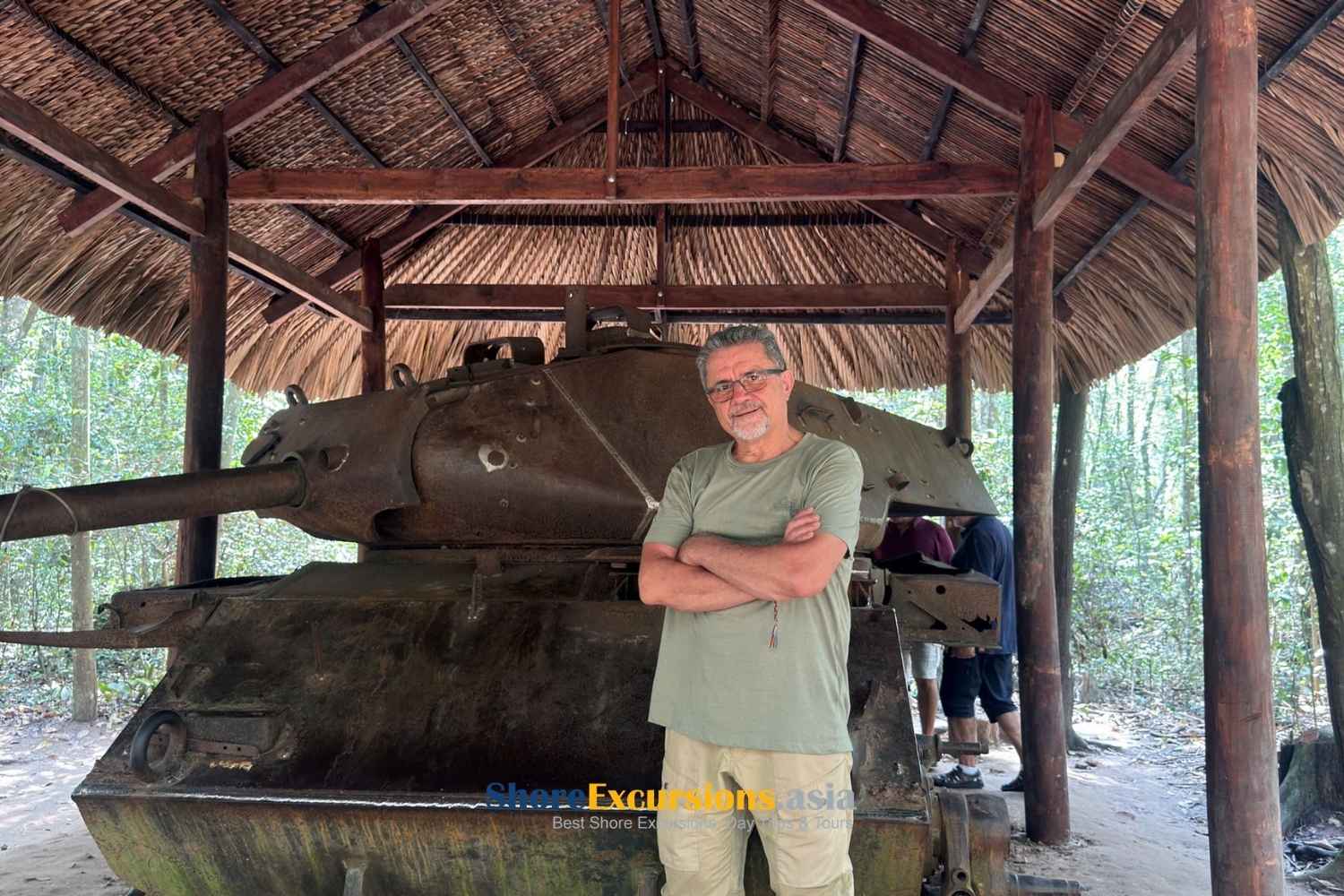
Ben Dinh is the section most frequently visited by international tourists. It sits closer to Ho Chi Minh City, which makes transportation easier for guided tours and short excursions. Many tour operators include this location in half-day itineraries because the travel distance is shorter.
The facilities at Ben Dinh are well organized for large visitor groups. Paths are clearly marked, and guides often lead tours through the main exhibits and tunnel entrances. This area also includes demonstration zones that explain how traps and camouflage systems worked during wartime.
Key characteristics of Ben Dinh include:
- A location closer to Ho Chi Minh City
- Shorter travel time for guided tours
- Organized visitor routes and demonstrations
- A higher number of tourists during peak hours
Ben Duoc Tunnels
Ben Duoc is located deeper inside Cu Chi District. The journey to this section takes slightly longer, but many travelers appreciate the quieter atmosphere once they arrive. The site covers a larger area and tends to receive fewer tour groups.
Many visitors feel that Ben Duoc provides a more authentic environment. The surrounding landscape appears less crowded, and the historical setting feels closer to its original condition. This atmosphere allows travelers to explore the site at a slower pace.
Highlights of Ben Duoc include:
- A location farther from the city center
- A more peaceful environment with fewer visitors
- Larger outdoor areas and natural surroundings
- A historical atmosphere that many travelers find immersive
Which One Is Better for Tourists?
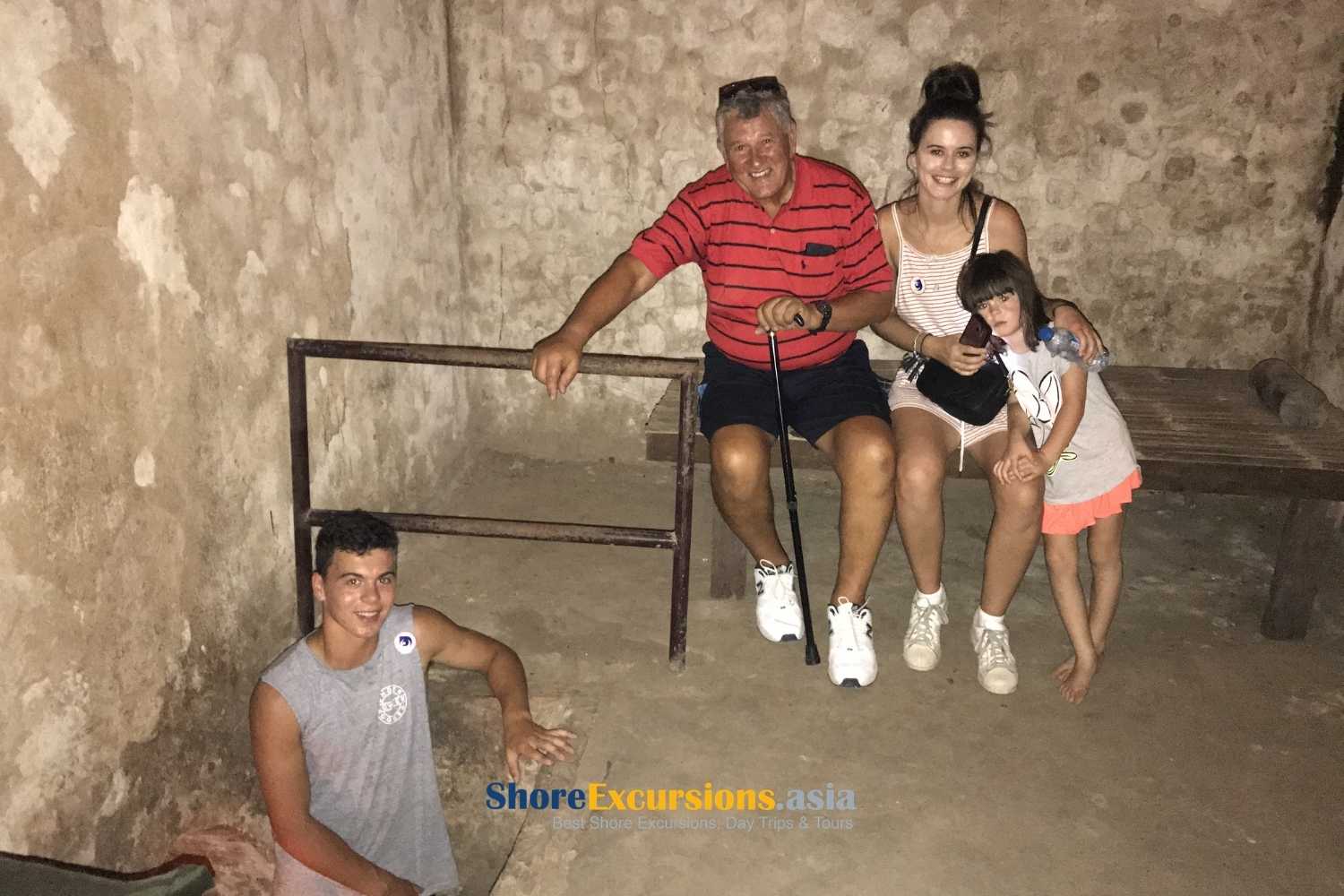
Both sections provide valuable insight into the history of the Cu Chi Tunnels. The best choice depends on the visitor’s travel schedule and preferred experience:
Ben Dinh works well for travelers with limited time. Cruise passengers often select this option because it fits easily into a half-day tour from Ho Chi Minh City. Transportation is convenient, and the tour route highlights the main historical features. Ben Duoc is ideal for visitors who want a quieter and more immersive visit. The larger area and calmer atmosphere allow travelers to explore the tunnels with fewer interruptions.
In general:
- Ben Dinh is convenient for short itineraries and organized tours.
- Ben Duoc suits travelers who want a deeper and less crowded experience.
How to Get to Cu Chi Tunnels?
Many travelers plan a visit to the Cu Chi Tunnels from Ho Chi Minh as part of a day trip while staying in the city. The tunnels are located about 60–70 kilometers northwest of downtown Ho Chi Minh City. The journey usually takes around one and a half to two hours depending on traffic conditions.
Join a Guided Cu Chi Tour
Joining a guided tour is the most convenient option for many international travelers. Tour companies in Ho Chi Minh City offer both half-day and full-day excursions to the tunnels. Transportation, entrance tickets, and an English-speaking guide are usually included in the package.

Guided tours help visitors understand the historical significance of the site. Professional guides explain the wartime stories behind the tunnels and the artifacts displayed at the complex. This guidance often makes the visit more informative and engaging.
Benefits of joining a guided tour include:
- Convenient transportation from central Ho Chi Minh City
- Professional guides who explain the historical context
- Organized itineraries that cover the main highlights
- Comfortable travel arrangements for international visitors
Many cruise travelers prefer this option because the tour schedule fits well within a limited shore excursion timeframe.
Travel by Public Bus
Traveling by public bus is a budget-friendly way to reach the tunnels. Several routes connect Ho Chi Minh City with Cu Chi District. This option may require transfers and a longer travel time, but it can be suitable for independent travelers who enjoy exploring local transportation.
Public buses allow visitors to observe daily life outside the city center. The journey to Cu Chi tunnels passes through suburban areas and rural landscapes before reaching the historical site.
Important points to consider when using the bus:
- Travel time may exceed two hours depending on the route
- Some routes require a transfer at Cu Chi Bus Station
- Schedules may vary throughout the day
- Visitors should check routes and stops in advance
Although this option requires more planning, it can offer a more local travel experience.
Go by Motorbike or Private Car
Some travelers choose to reach the tunnels independently by motorbike or private car. This option offers flexibility and allows visitors to travel at their own pace. The route from Ho Chi Minh City to Cu Chi District is relatively straightforward, and several major roads connect the two locations.
Private drivers and car services are widely available in the city. Many travelers prefer hiring a car with a driver because it provides comfort and convenience during the journey.
Advantages of traveling by motorbike or private car include:
- Flexible departure times and travel schedule
- The ability to stop at other attractions along the way
- Greater comfort during the journey
- A personalized travel experience
This option is popular among travelers who enjoy independent exploration while visiting southern Vietnam.
Best Time to Visit Cu Chi Tunnels
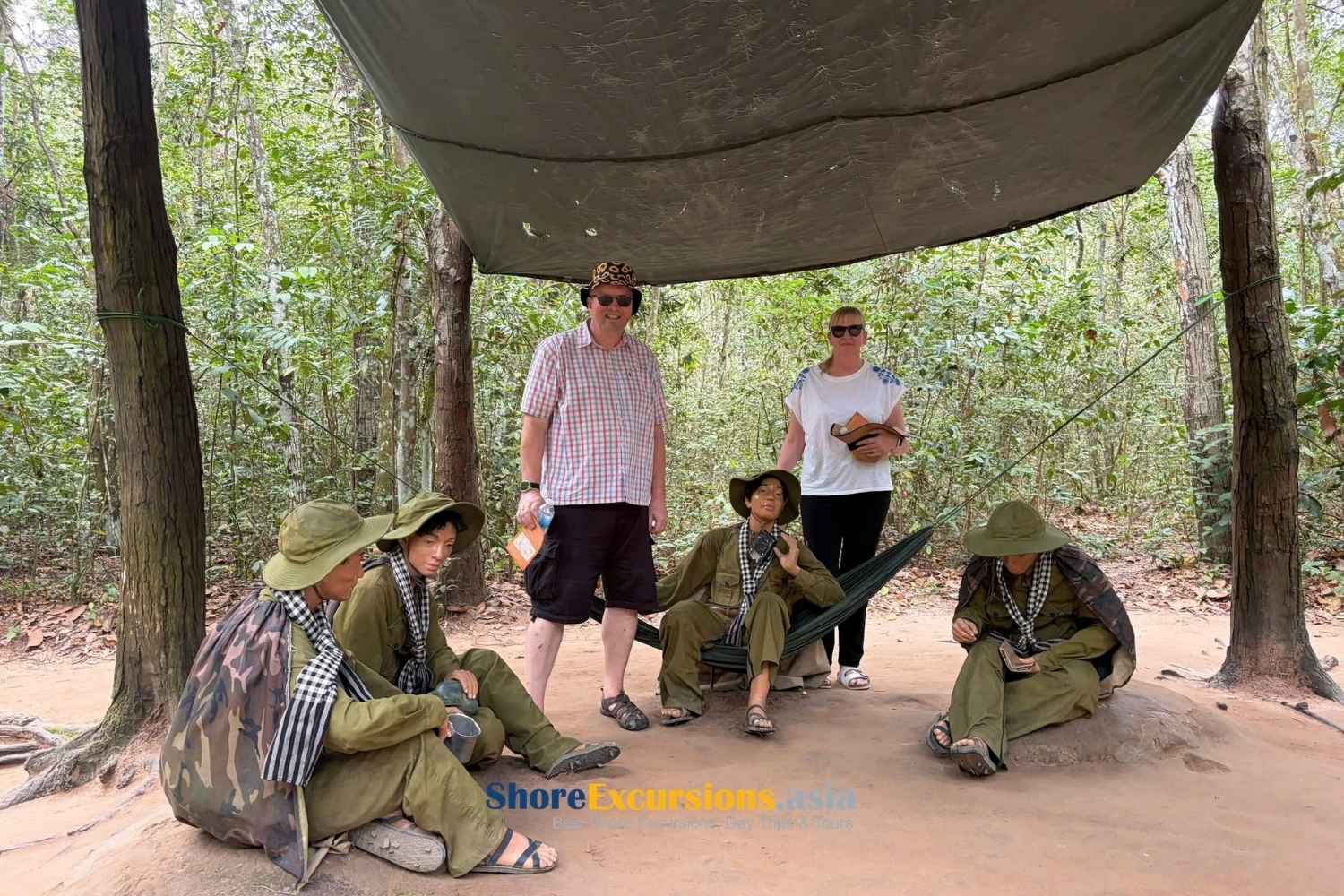
The best time to visit the Cu Chi Tunnels is during the dry season between November and April. The weather is usually sunny and less humid during these months, which makes outdoor exploration more comfortable. Visitors can walk around the historical site and enter tunnel sections without worrying about frequent rain.
Many travelers who visit the Cu Chi Tunnels from Ho Chi Minh prefer morning tours. The temperature is cooler in the early hours of the day, and the site is often less crowded. Most guided tours depart from the city between 7:00 AM and 9:00 AM, which allows visitors to explore the tunnels before the midday heat becomes intense.
If you plan a visit during the rainy season, which usually lasts from May to October, short tropical showers may appear in the afternoon. These rains rarely last all day, but morning visits remain the most comfortable option.
Useful Tips for Visiting Cu Chi Tunnels
A visit to the Cu Chi Tunnels can be both fascinating and physically active. The site includes outdoor walking paths, underground passages, and historical exhibits. Preparing properly helps visitors enjoy the tour more comfortably.
Helpful tips for visitors include:
- Wear comfortable clothes and sturdy walking shoes.
- Bring water to stay hydrated during the tour.
- Use sunscreen and insect repellent in outdoor areas.
- Be prepared for narrow and dark tunnel sections.
- Follow the instructions provided by your guide.
- Visit earlier in the day to avoid heat and crowds.
These simple precautions help visitors explore the tunnels safely while fully appreciating the historical significance of the site.
Are you ready to explore the Cu Chi Tunnels?
Step into Vietnam’s wartime history on Vietnam shore excursions, walk through underground passages, and discover how soldiers lived. Whether you’re curious about history or seeking adventure, the Cu Chi tunnels promise a unique journey. Get ready to uncover stories of resilience and explore a fascinating part of Vietnam’s past.


 Contact Us via Messenger
 Send Inquiry