
Discover the best places to visit in Hanoi with our in-depth guide to top Hanoi attractions. Explore culture, history, food, and hidden gems in Hanoi, Vietnam.
Why Hanoi Is a Must-Visit Destination in Vietnam?
Hanoi, the capital of Vietnam, is a city where ancient traditions blend seamlessly with modern life. With over a thousand years of history, Hanoi offers travelers an unforgettable mix of cultural heritage, colonial architecture, vibrant street life, and world-famous cuisine. From tranquil lakes and sacred temples to bustling markets and atmospheric old streets, the number of places to visit in Hanoi is truly impressive.
For travelers who want to explore the city beyond the surface, joining professional Hanoi tours is one of the best ways to experience authentic local culture. Hanoi Local Tour provides expertly guided experiences that help visitors understand the stories, traditions, and hidden corners of the city through the eyes of locals.
In this comprehensive guide, you will discover the most iconic attractions in Hanoi Vietnam, must-see historical sites, cultural landmarks, and unique experiences that make Hanoi one of Southeast Asia’s most captivating cities.
Best 10+ Places to Visit in Hanoi Vietnam
Hoan Kiem Lake – The Spiritual Heart of Hanoi
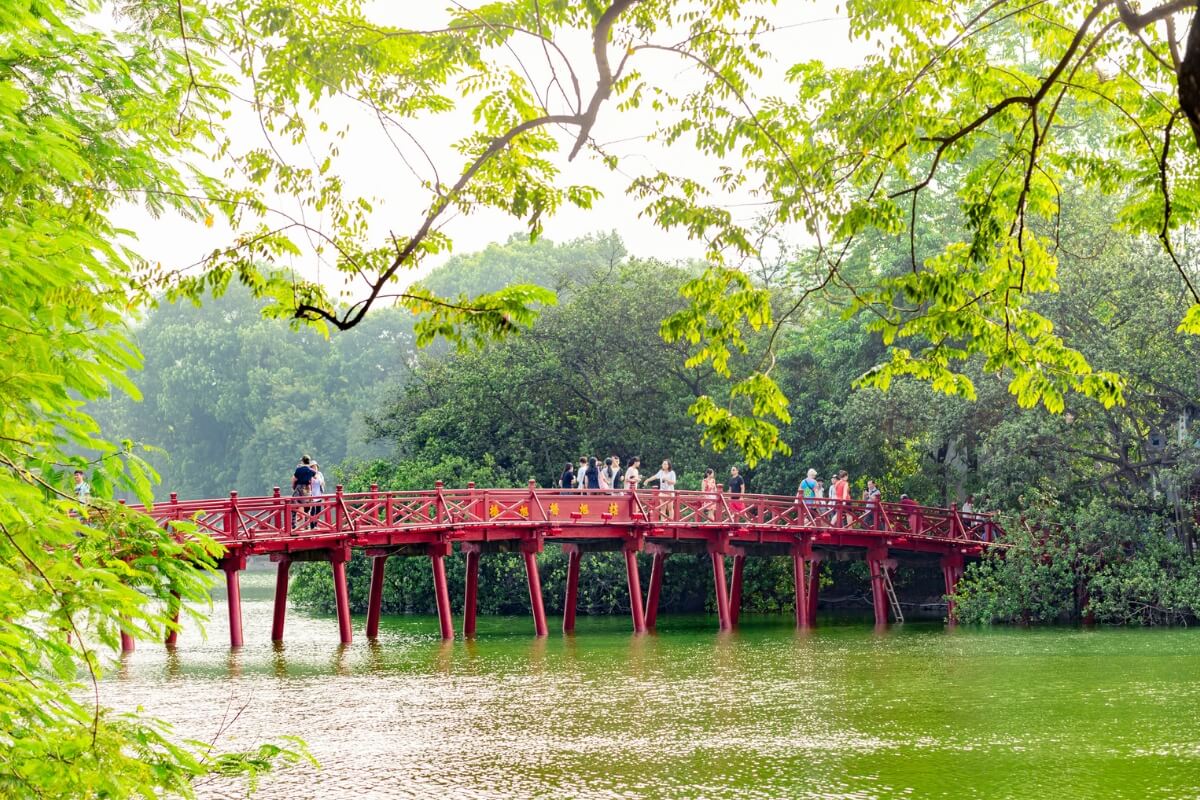
At the very center of Hanoi lies Hoan Kiem Lake, a peaceful oasis surrounded by tree-lined paths, historic architecture, and cultural landmarks. For both locals and visitors, Hoan Kiem Lake is more than just a scenic spot; it is a symbol of Hanoi’s identity and legends.
The lake is closely associated with the legend of the Golden Turtle, which gives the lake its name, meaning “Lake of the Returned Sword.” Early mornings and evenings are the best times to visit, when locals practice tai chi, jog, or simply relax by the water. As one of the most iconic Hanoi attractions, Hoan Kiem Lake is often the starting point for travelers exploring the city.
Nearby, visitors will find Ngoc Son Temple, accessed via the iconic red Huc Bridge, adding cultural depth to this tranquil destination.
Hanoi Old Quarter – A Living Museum of Daily Life
The Hanoi Old Quarter is widely regarded as one of the most fascinating places to visit in Hanoi. Known for its “36 streets,” each historically dedicated to a specific trade, the Old Quarter is a maze of narrow lanes filled with shops, cafés, street food stalls, and colonial-era buildings.
Walking through the Old Quarter feels like stepping back in time. Motorbikes weave through the streets, vendors sell everything from silk scarves to handmade souvenirs, and the aroma of Vietnamese food fills the air. This area is also where many of the most popular attractions in Hanoi Vietnam, are concentrated, making it an essential stop for first-time visitors.
For travelers interested in local life, guided walking tours provide valuable insight into the district’s history, architecture, and traditions.
The Temple of Literature – Vietnam’s First University
The Temple of Literature is one of the most historically significant Hanoi attractions. Built in 1070, it was dedicated to Confucius and later became Vietnam’s first national university.
The complex features beautifully preserved courtyards, ancient stone stelae engraved with the names of successful scholars, and traditional Vietnamese architecture. Visiting the Temple of Literature offers a deeper understanding of Vietnam’s respect for education and Confucian values, making it an essential place to go for culture lovers.
The calm atmosphere inside the temple contrasts sharply with the busy streets outside, providing a peaceful retreat in the heart of the city.
Ho Chi Minh Mausoleum and Ba Dinh Square
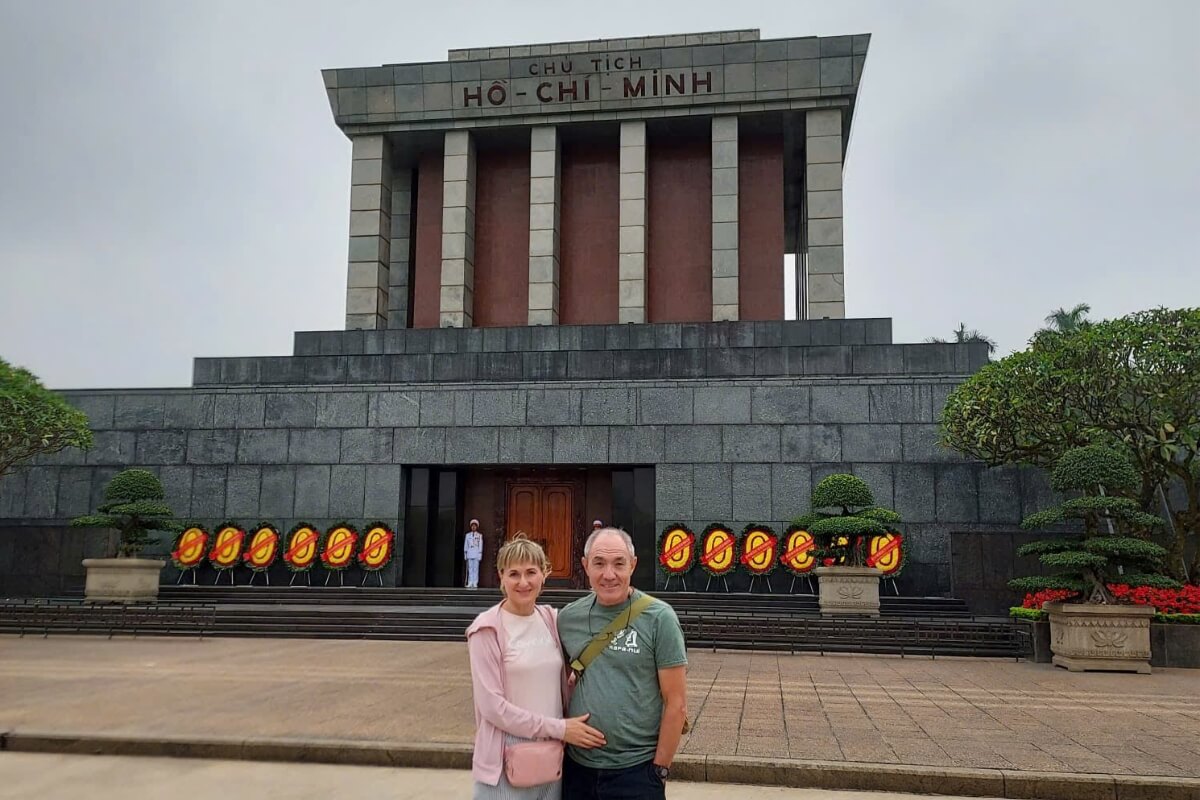
A visit to the Ho Chi Minh Mausoleum is an important experience for understanding modern Vietnamese history. Located in Ba Dinh Square, this imposing structure houses the preserved body of Ho Chi Minh, the founding father of modern Vietnam.
The surrounding complex includes the Presidential Palace, Ho Chi Minh’s stilt house, and museums dedicated to his life and legacy. As one of the most visited attractions in Hanoi Vietnam, the mausoleum is both a place of respect and a symbol of national pride.
Visitors should dress modestly and follow strict guidelines when entering the mausoleum, reflecting the solemn nature of the site.
Hanoi One Pillar Pagoda – An Iconic Symbol of Hanoi
Nearby the Ho Chi Minh Mausoleum stands the One Pillar Pagoda, one of the most unique religious structures in Asia. Built in the 11th century, the pagoda sits atop a single stone pillar, symbolizing a lotus flower rising from the water.
Despite its small size, the One Pillar Pagoda is a significant spiritual site and a popular stop for visitors exploring Hanoi attractions. Its elegant design and symbolic meaning make it a favorite among photographers and history enthusiasts alike.
Hanoi West Lake – A Scenic Escape from the City
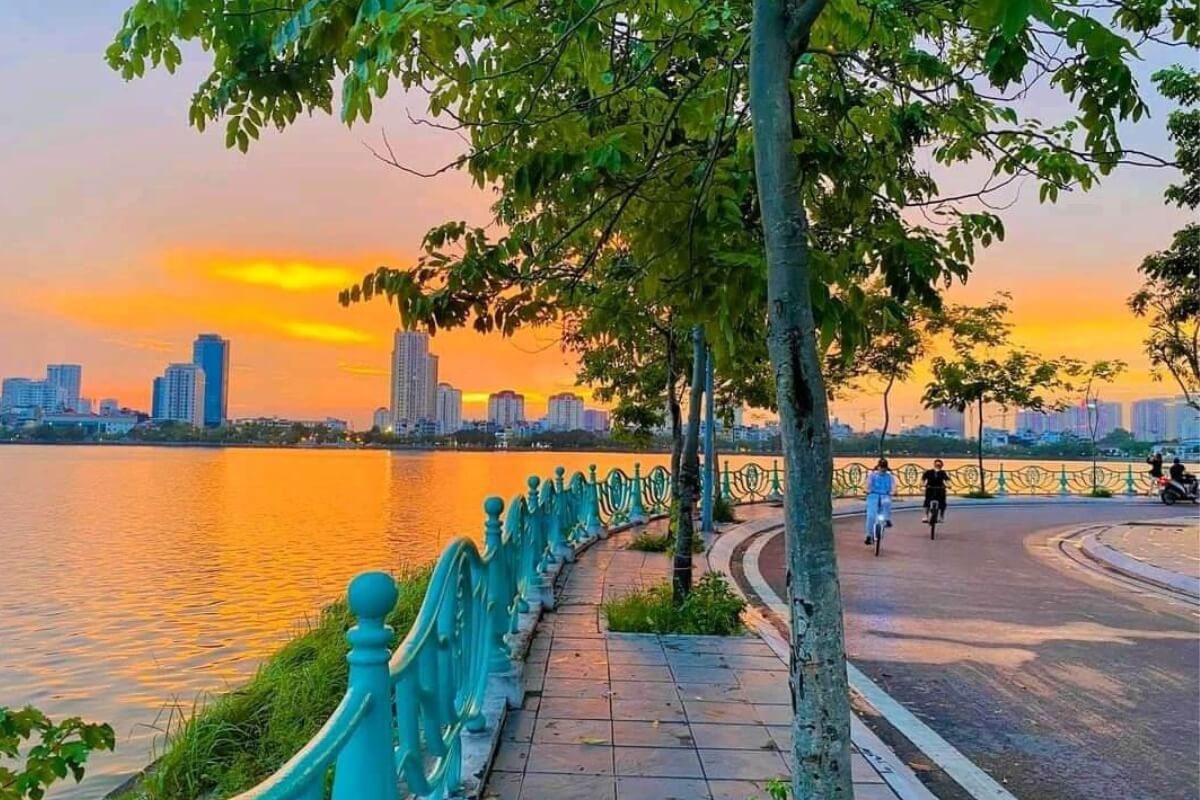
West Lake, the largest lake in Hanoi, offers a refreshing escape from the city’s hustle and bustle. Surrounded by upscale cafés, restaurants, and historic temples, West Lake is ideal for leisurely walks, cycling, or sunset views.
One of the highlights around the lake is Tran Quoc Pagoda, the oldest Buddhist temple in Hanoi, which adds cultural significance to the area. For travelers seeking a quieter Hanoi place to go, West Lake provides a perfect balance of nature and history.
Hoa Lo Prison Museum – A Powerful Historical Experience
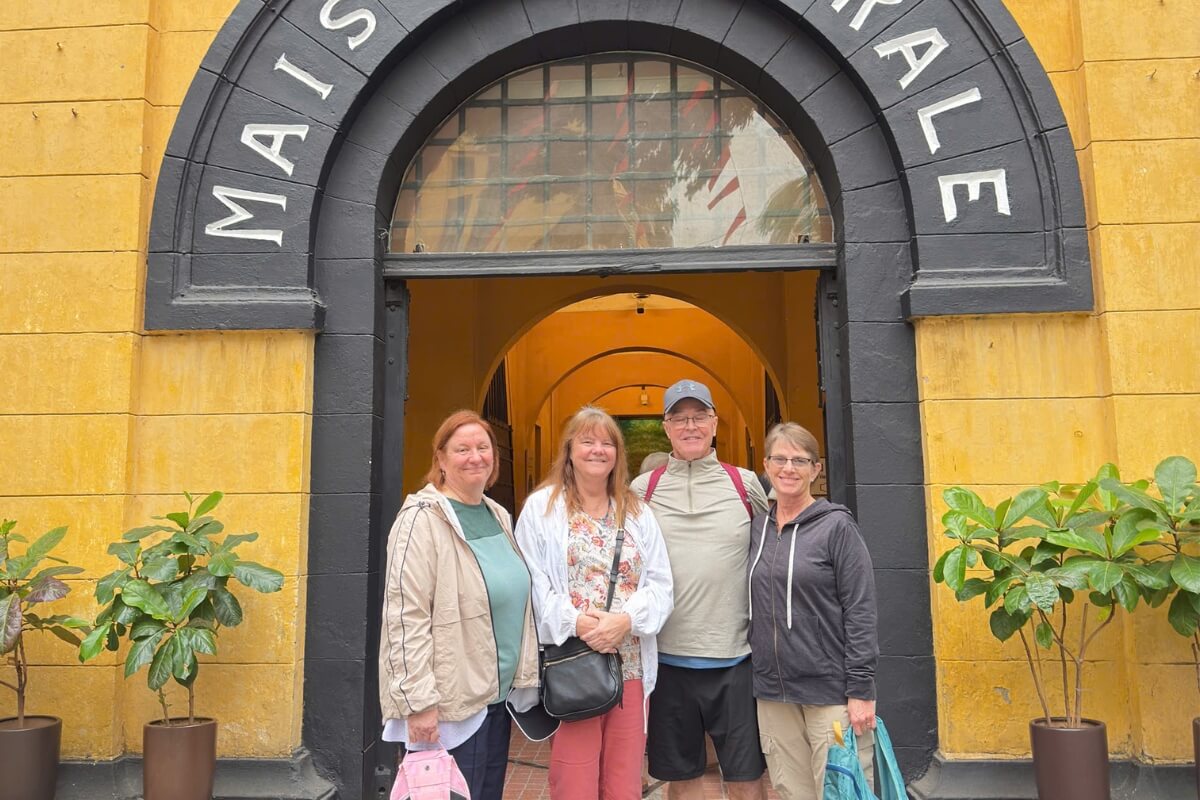
The Hoa Lo Prison, often referred to as the “Hanoi Hilton,” offers a sobering look into Vietnam’s colonial past and wartime history. Originally built by the French to detain political prisoners, the museum later held American POWs during the Vietnam War.
Today, the museum presents detailed exhibitions, photographs, and artifacts that help visitors understand the resilience of the Vietnamese people. Among the many attractions in Hanoi, Vietnam, Hoa Lo Prison stands out for its emotional impact and educational value.
Vietnam Museum of Ethnology – Understanding Cultural Diversity
For travelers interested in Vietnam’s ethnic diversity, the Vietnam Museum of Ethnology is one of the most informative places to visit in Hanoi. The museum showcases the traditions, clothing, houses, and lifestyles of Vietnam’s 54 ethnic groups.
Outdoor exhibits feature full-scale traditional houses, offering immersive insight into rural life across different regions of the country. This museum is particularly valuable for visitors who want cultural context before exploring other parts of Vietnam.
Hanoi Opera House – French Colonial Elegance
The Hanoi Opera House is a stunning example of French colonial architecture. Inspired by the Palais Garnier in Paris, the building stands as a reminder of Vietnam’s colonial history.
Attending a performance here or simply admiring the exterior is a rewarding experience. As one of the most elegant Hanoi attractions, the Opera House adds a touch of European charm to the city’s architectural landscape.
Long Bien Bridge – Witness to History

Designed by a company associated with Gustave Eiffel, Long Bien Bridge is a powerful symbol of Hanoi’s resilience. The bridge has survived wars, bombings, and decades of change.
Walking or cycling across Long Bien Bridge offers panoramic views of the Red River and daily life along its banks. It is a favorite spot for photographers and travelers looking for less touristy Hanoi attractions.
Hanoi St. Joseph’s Cathedral
Located in the heart of the city, St. Joseph’s Cathedral is one of the most striking architectural landmarks among Hanoi attractions. Built in the late 19th century, the cathedral reflects strong Neo-Gothic influences inspired by Notre-Dame de Paris.
This area is not only a religious site but also a lively social hub. Cafés, bookstores, and small boutiques surround the square, making it a popular Hanoi place to go for both locals and international travelers. Visiting the cathedral during mass or in the evening, when the lights illuminate its façade, offers a particularly atmospheric experience.
Hanoi Train Street – A Unique Urban Experience
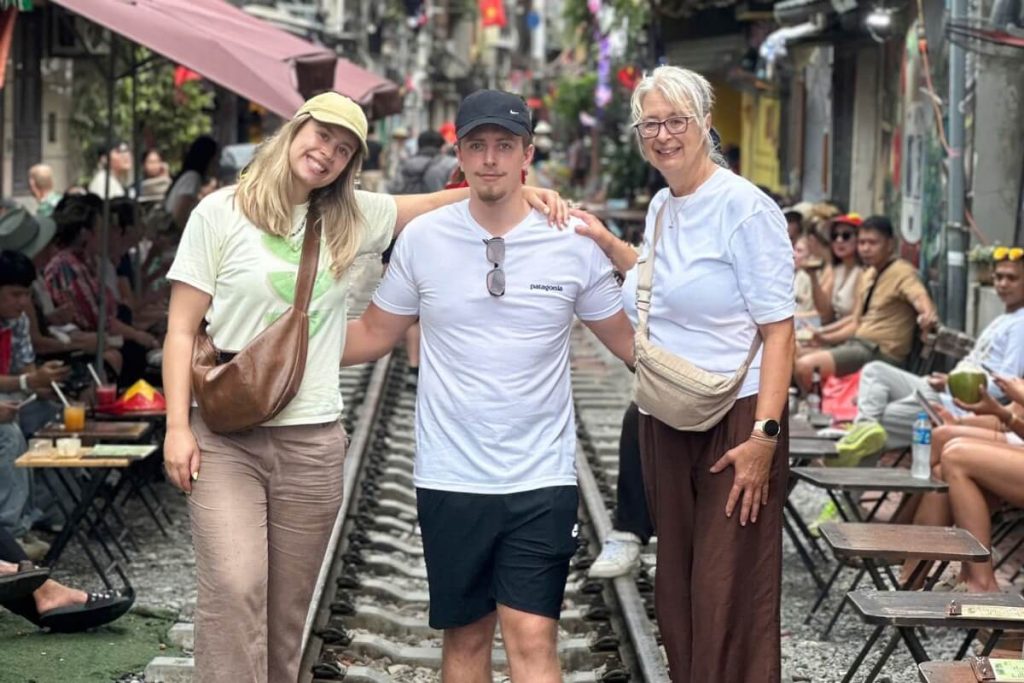
One of the most talked-about attractions in Hanoi Vietnam is Hanoi Train Street. This narrow residential street is famous for trains passing just inches away from homes and cafés, creating a scene unlike anywhere else in the world.
Although access is regulated for safety reasons, Train Street remains a fascinating symbol of Hanoi’s adaptability and urban character. When experienced responsibly and with local guidance, it becomes a memorable highlight for visitors looking for unique places to visit in Hanoi beyond traditional landmarks.
Dong Xuan Market – The Largest Traditional Market in Hanoi
For travelers interested in local commerce and daily life, Dong Xuan Market is one of the most authentic Hanoi attractions. As the largest wholesale market in the city, it offers everything from fresh produce and spices to clothing and souvenirs.
Dong Xuan Market provides a sensory-rich experience where visitors can observe local trading culture, taste traditional snacks, and understand how Hanoi’s economy has functioned for generations. It is an excellent Hanoi place to go for travelers who want to see beyond tourist-focused shopping streets.
Thang Long Imperial Citadel – A UNESCO World Heritage Site
The Thang Long Imperial Citadel is one of the most historically important places to visit in Hanoi. Recognized as a UNESCO World Heritage Site, the citadel was the political center of Vietnam for more than 1,300 years.
Excavations and preserved structures reveal layers of history from different dynasties, making the site especially meaningful for travelers interested in archaeology and national heritage. Among all attractions in Hanoi Vietnam, Thang Long Imperial Citadel offers one of the deepest insights into the country’s long and complex history.
Vietnam Women’s Museum – Stories of Strength and Culture
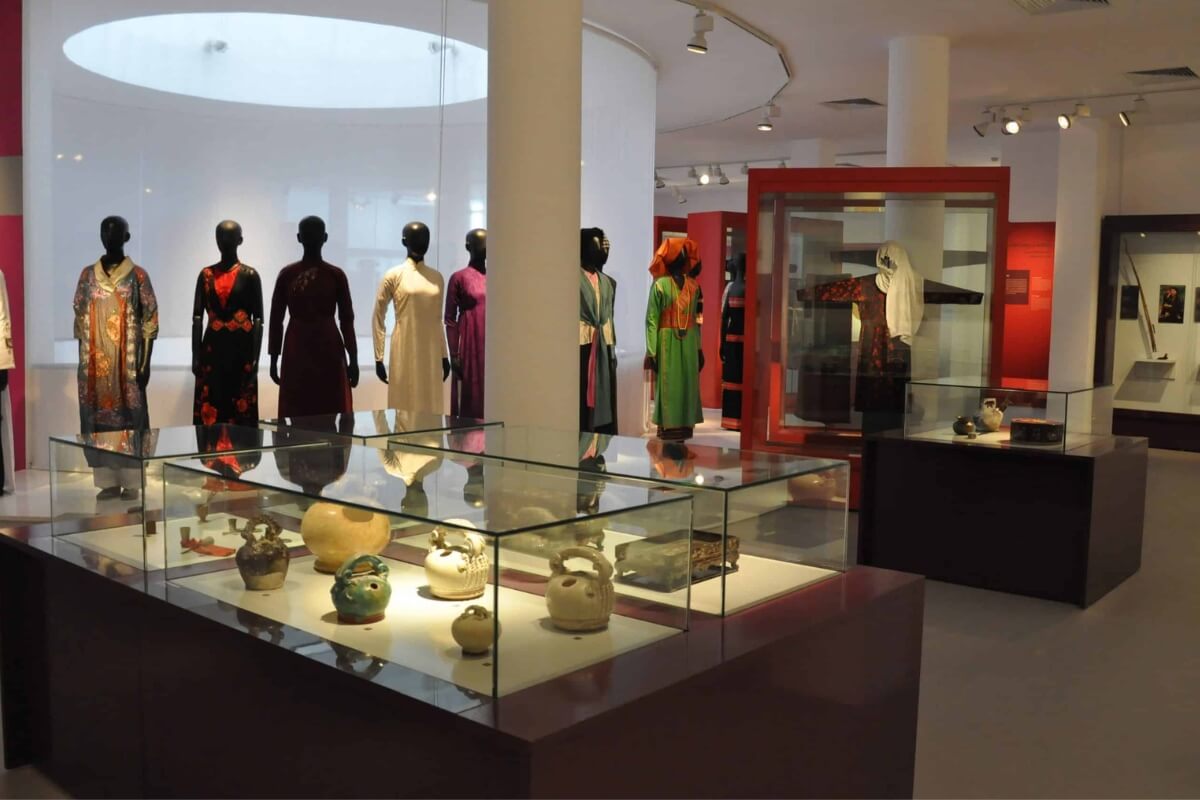
The Vietnam Women’s Museum is one of the most engaging and thoughtfully curated museums in the city. It highlights the roles of Vietnamese women throughout history, from family life and fashion to wartime contributions.
Interactive exhibits and personal stories make this museum stand out among Hanoi attractions. It is particularly meaningful for travelers who value social history and human-centered storytelling when exploring attractions in Hanoi Vietnam.
Best Time to Visit Hanoi
Hanoi can be visited year-round, but the most pleasant seasons are spring (March to April) and autumn (September to November). During these months, the weather is mild, making it ideal for exploring outdoor Hanoi attractions and walking through the Old Quarter.
Summer can be hot and humid, while winter brings cooler temperatures and occasional drizzle. Each season, however, offers a different perspective on the city.
Why Choose Local Experiences in Hanoi
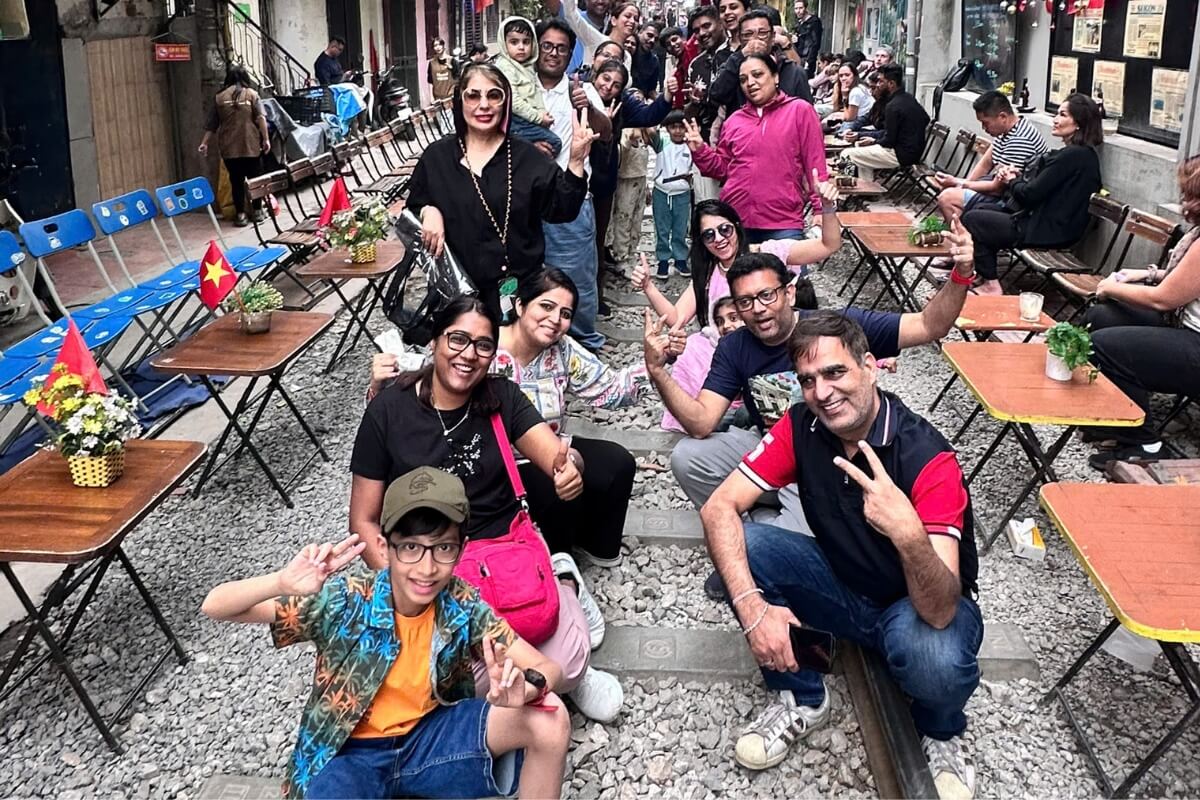
Exploring Hanoi with local guides allows travelers to gain a deeper cultural understanding and authentic experiences. Instead of just visiting famous attractions in Hanoi Vietnam, local tours provide access to hidden alleys, family-run eateries, and stories that are not found in guidebooks.
This is why many international travelers choose trusted local operators when planning their itineraries in Hanoi.
Hanoi – A City That Captivates Every Traveler
From ancient temples and colonial architecture to vibrant street life and rich culinary traditions, Hanoi is a city that leaves a lasting impression. The diversity of places to visit in Hanoi ensures that every traveler, whether interested in history, culture, food, or photography, will find something unforgettable.
By exploring both iconic landmarks and lesser-known gems, visitors gain a deeper appreciation of Hanoi’s soul. With thoughtful planning and local insight, Hanoi becomes more than just a destination—it becomes an experience that stays with you long after you leave.


 Contact Us via Messenger
 Send Inquiry