
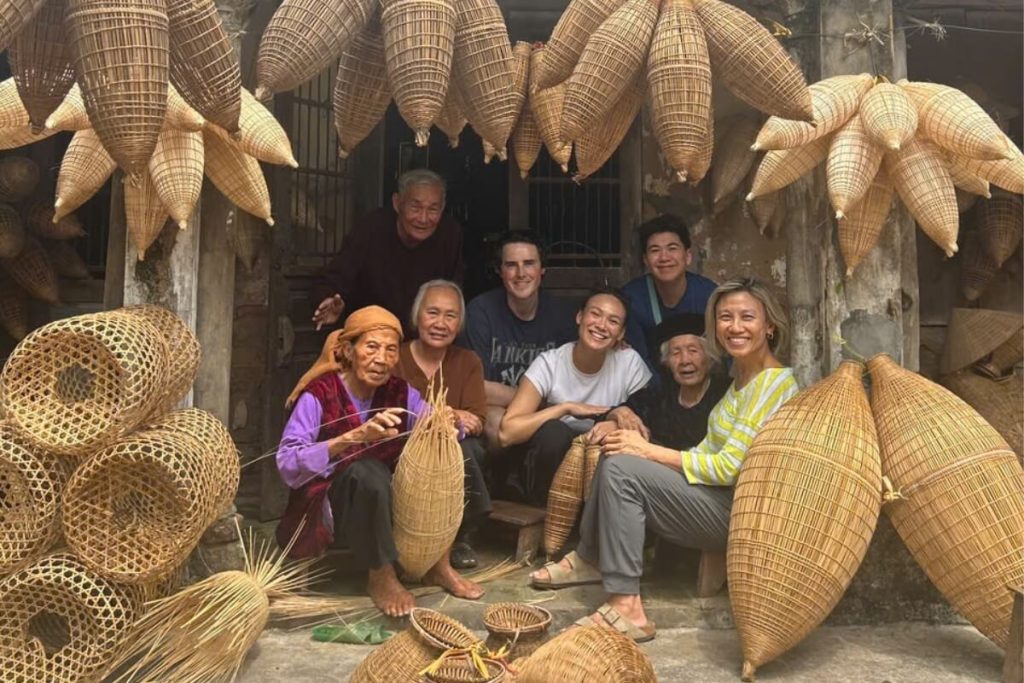
Explore the most fascinating Hanoi villages and traditional villages in Hanoi, from ancient settlements to craft communities. Discover authentic culture, local traditions, and the charm of a real Vietnam village experience.
Discover the Traditional Villages in Hanoi That Preserve Vietnam’s Cultural Heritage
When most international travelers think of Hanoi, they imagine bustling streets filled with scooters, colonial architecture, vibrant markets, and world-famous street food. While these attractions are undoubtedly part of the city’s charm, they represent only one side of northern Vietnam’s identity. Beyond the urban landscape lies a fascinating network of Hanoi villages, where centuries-old traditions continue to shape everyday life.
Many travelers who initially visit Hanoi for a short city break eventually seek deeper cultural experiences through extended journeys and carefully designed Hanoi tour packages that explore surrounding villages, heritage sites, and local communities. These experiences reveal a side of Vietnam that remains authentic, deeply rooted in tradition, and remarkably different from the fast-paced atmosphere of the capital.
For travelers seeking authentic encounters, visiting a Vietnam village near Hanoi provides opportunities to connect with local people, learn traditional skills, and gain a deeper understanding of how Vietnamese society evolved over centuries.
The Historical Importance of Traditional Villages in Hanoi
To understand Vietnam’s cultural identity, it is essential to understand the role of villages throughout history. For centuries, the village served as the fundamental social, economic, and cultural unit of Vietnamese society.
Long before modern cities emerged, rural communities formed the backbone of the nation. Each village operated as a close-knit community with its own customs, governance structures, communal houses, and spiritual traditions. Local residents often spent their entire lives within the same village, strengthening social bonds and preserving cultural continuity.
The structure of a traditional Vietnam village reflects values that remain important in Vietnamese culture today. Respect for elders, family loyalty, community cooperation, and ancestor worship continue to influence daily life throughout the country.
Many traditional villages in Hanoi have survived wars, political changes, and modernization efforts while preserving their historical character. Ancient gates, communal houses, temples, wells, and traditional homes remain visible reminders of Vietnam’s rich cultural heritage.
For international visitors, exploring these villages provides historical context that enhances their understanding of modern Vietnam. The contrast between traditional rural communities and contemporary urban development highlights the country’s remarkable journey through history.
Best 10+ Traditional Villages in Hanoi You Must Visit
Duong Lam Ancient Village – The Most Famous Traditional Village in Hanoi
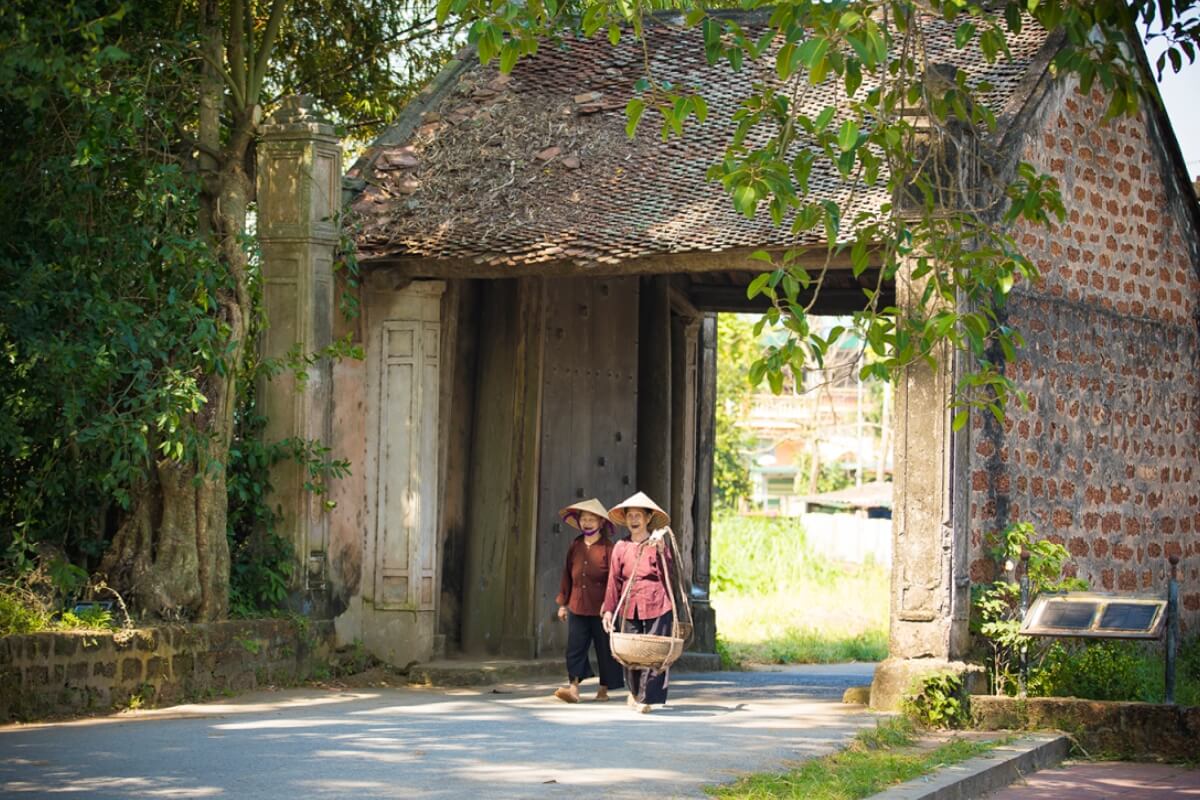
Among all Hanoi villages, Duong Lam Ancient Village stands out as the most historically significant and culturally preserved destination.
Located approximately 45 kilometers west of central Hanoi, Duong Lam is often referred to as the birthplace of two Vietnamese kings and one of the country’s oldest surviving villages. Its history spans more than 1,200 years, making it one of the most important cultural heritage sites in northern Vietnam.
The village is particularly famous for its traditional laterite houses. Laterite, a reddish-brown stone found locally, has been used for centuries to construct homes, walls, gates, and communal buildings. Walking through Duong Lam feels like stepping back in time, as many structures retain their original architectural characteristics.
Visitors can explore narrow lanes, ancient courtyards, communal houses, temples, and family shrines while learning about local customs from residents who continue to live in the village today. Unlike open-air museums, Duong Lam remains a living community where traditional practices continue alongside modern life.
Food also plays an important role in the visitor experience. Local specialties such as rice cakes, soybean products, and traditional sweets offer insights into rural culinary traditions that have been preserved for generations.
Bat Trang Pottery Village – Vietnam’s Ceramic Heritage
Located along the Red River approximately 15 kilometers from central Hanoi, Bat Trang has been producing ceramics for more than seven centuries. The village developed into one of Vietnam’s most respected pottery centers due to its favorable location, access to high-quality clay, and skilled artisan community.
Today, visitors can observe every stage of ceramic production, from shaping clay and carving intricate designs to glazing and firing finished products. Many workshops welcome travelers who wish to try pottery-making themselves, creating a memorable hands-on cultural experience.
What makes Bat Trang unique is its ability to balance tradition with innovation. While artisans continue to use techniques inherited from previous generations, many workshops have adapted their designs to meet contemporary market demands.
The village’s bustling pottery market attracts domestic and international visitors searching for authentic handmade souvenirs. Products range from decorative artwork and tea sets to household items and custom-made ceramics.
Bat Trang demonstrates how Hanoi villages continue to thrive economically while preserving cultural traditions that contribute to Vietnam’s national identity.
Van Phuc Silk Village – The Heart of Traditional Vietnamese Silk
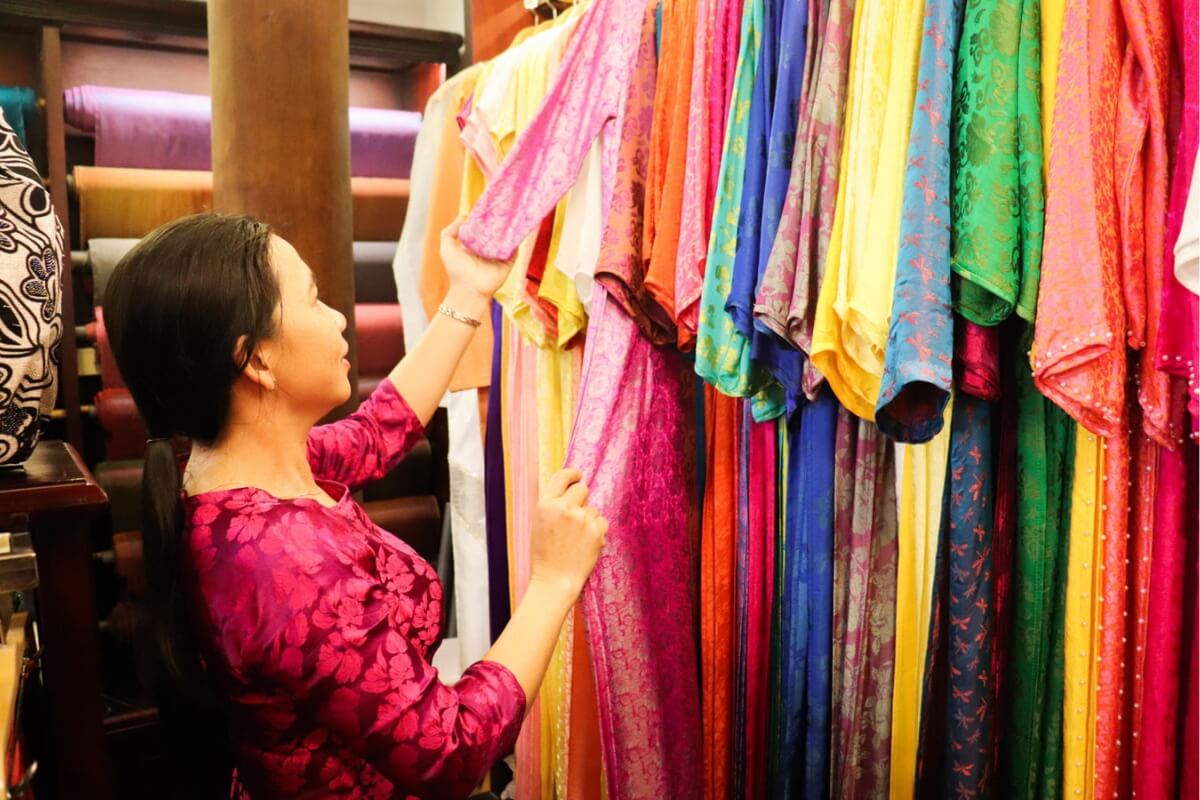
Silk production has played an important role in Vietnamese culture for centuries, and no destination showcases this heritage better than Van Phuc Silk Village.
Situated in Hanoi’s Ha Dong district, Van Phuc has earned a reputation as one of Vietnam’s oldest and most prestigious silk-producing communities. Historical records suggest that silk weaving in the village dates back more than one thousand years.
Throughout its history, Van Phuc silk gained recognition not only within Vietnam but also in international markets. The village’s artisans became renowned for producing exceptionally soft, durable, and beautifully patterned fabrics.
Today, visitors can explore workshops where traditional weaving techniques are still practiced. Observing skilled craftsmen operate wooden looms provides valuable insight into the labor-intensive process behind every piece of handmade silk.
Walking through the village streets, travelers encounter colorful silk displays, artisan boutiques, and cultural exhibits that celebrate the region’s textile heritage. The atmosphere combines historical authenticity with contemporary creativity, making Van Phuc one of the most engaging traditional villages in Hanoi.
Quang Phu Cau Incense Village – A Colorful Vietnam Village Experience
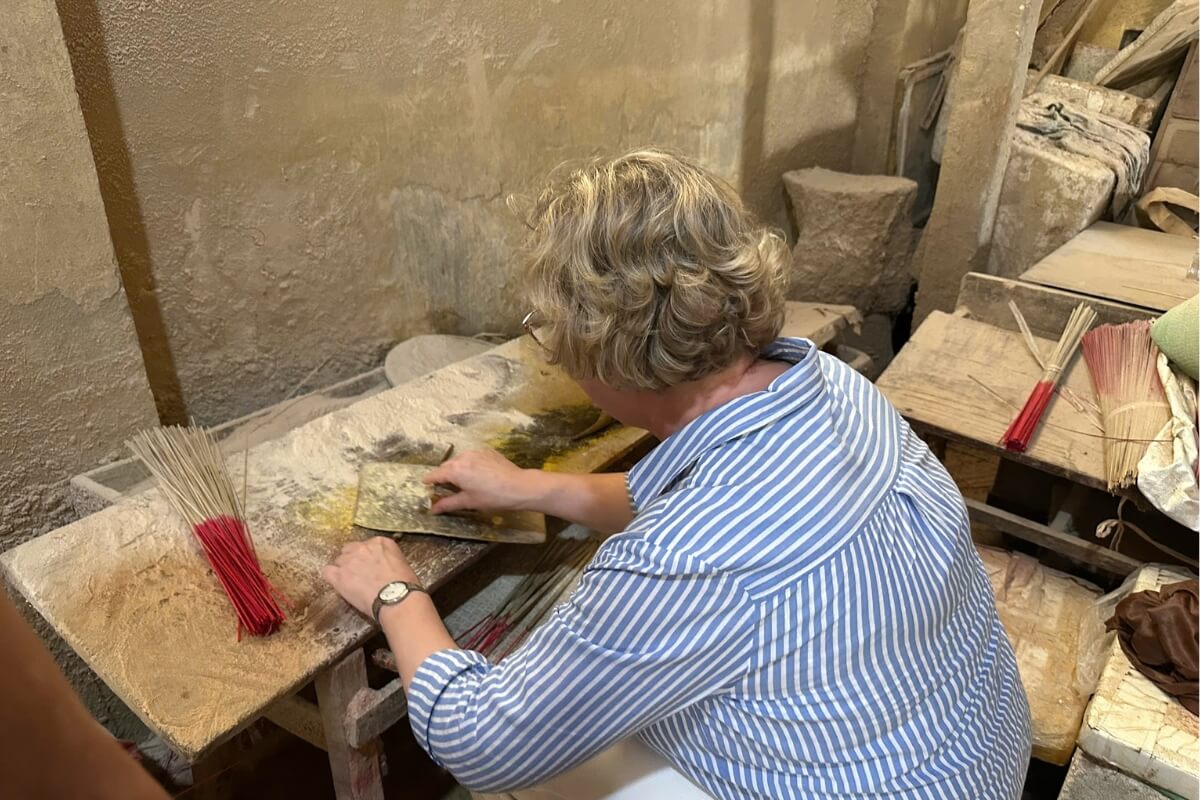
Among the most visually striking Hanoi villages, Quang Phu Cau Incense Village has become increasingly popular among international travelers, photographers, and cultural enthusiasts. Located about 35 kilometers from Hanoi’s city center, this traditional village specializes in incense production, a craft deeply connected to Vietnamese spiritual life.
Incense has long played an important role in Vietnamese religious and cultural practices. Families burn incense during ancestor worship ceremonies, religious festivals, and important life events. In Quang Phu Cau, local artisans have spent generations perfecting the techniques required to produce high-quality incense sticks.
One of the village’s most recognizable sights is the vibrant display of incense bundles drying in the sun. Bright red, pink, yellow, and purple incense sticks create stunning visual patterns that attract photographers from around the world. However, beyond the colorful scenery lies a living community where traditional craftsmanship continues to support local livelihoods.
Visitors can observe the various stages of production, including bamboo preparation, dyeing, fragrance application, and drying. The experience offers a fascinating look into an industry that remains closely tied to Vietnamese spiritual traditions.
Chuong Village – Preserving Vietnam’s Iconic Conical Hat
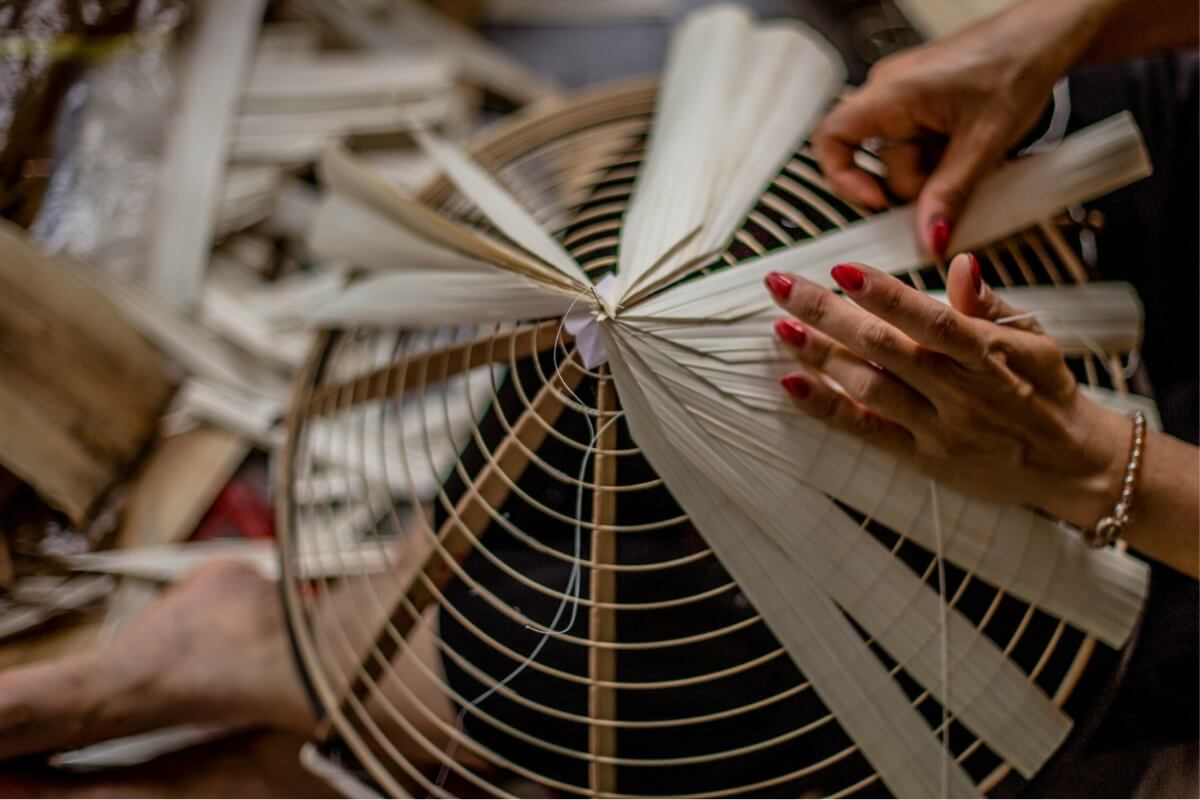
Few symbols are as closely associated with Vietnam as the traditional conical hat, known locally as the non la. While these hats can be found throughout the country, Chuong Village remains one of the most important centers for their production.
Located in the outskirts of Hanoi, Chuong Village has specialized in hat-making for hundreds of years. The craft requires remarkable precision and patience. Artisans carefully select palm leaves, prepare bamboo frames, and assemble each hat entirely by hand.
The conical hat is far more than a practical accessory. Throughout Vietnamese history, it has represented rural life, cultural identity, and traditional beauty. Farmers use it for protection against the sun and rain, while many traditional performances and cultural celebrations feature the iconic hat as part of their costumes.
Walking through Chuong Village provides visitors with a unique opportunity to witness the creation of a cultural symbol that remains relevant in modern Vietnam. Local markets continue to attract buyers from across the country, helping sustain the village’s traditional economy.
Co Loa Village – Exploring the Origins of Ancient Vietnam
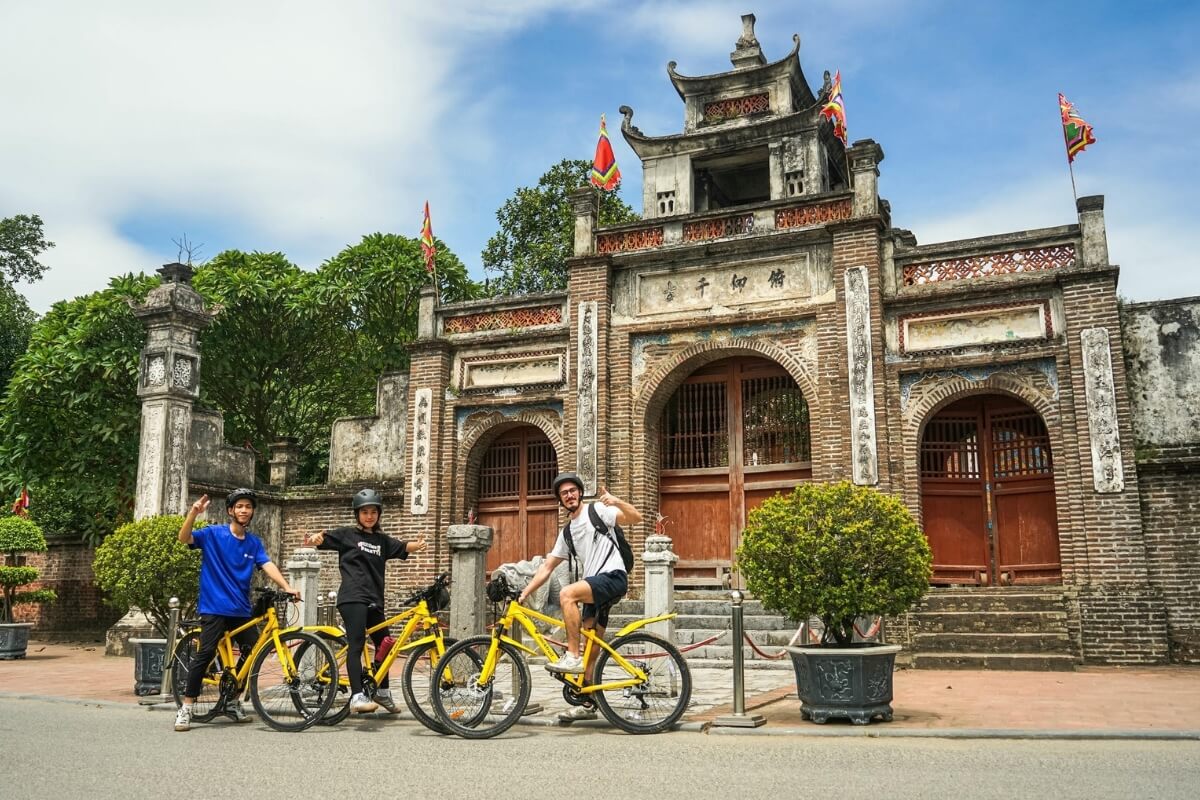
Not all Hanoi villages are known for traditional crafts. Some are significant because of their historical importance, and Co Loa is perhaps the best example.
Located northeast of Hanoi, Co Loa was once the capital of the ancient Au Lac Kingdom during the third century BCE. It is widely regarded as one of Vietnam’s earliest urban settlements and one of Southeast Asia’s most remarkable archaeological sites.
The village is famous for its ancient citadel, which was constructed using a unique spiral design. According to Vietnamese legends, the citadel was protected by a magical golden turtle that helped King An Duong Vuong defend the kingdom against invaders.
Today, visitors can explore temples, shrines, historical monuments, and surviving sections of the ancient fortifications. The site offers valuable insight into Vietnam’s early history and the development of its national identity.
For travelers interested in history and archaeology, Co Loa provides a completely different perspective from other traditional villages in Hanoi. It demonstrates how village communities have played an essential role in preserving historical memory for more than two thousand years.
What Makes a Traditional Vietnam Village Unique?
Although each village has its own character, many traditional communities share common features that reflect the values of Vietnamese society.
Village gates often serve as symbolic entrances that separate the community from the outside world. These structures frequently display historical inscriptions and architectural details that reflect local identity.
Large banyan trees are another common feature. For generations, they have served as gathering places where villagers meet, exchange news, and participate in community activities. Nearby ponds often contribute to the peaceful atmosphere that characterizes many rural settlements.
Communal houses, known as dinh, represent the spiritual and social heart of a traditional Vietnam village. These buildings host ceremonies, festivals, and community meetings while honoring local guardian spirits and historical figures.
Ancestor worship also plays a central role in village life. Many families maintain ancestral altars within their homes and participate in rituals that strengthen family connections across generations.
Agriculture remains important in many rural communities, even as tourism and modern industries create new economic opportunities. Rice fields, vegetable gardens, and fruit orchards continue to shape the landscape surrounding numerous Hanoi villages.
Together, these elements create a distinctive cultural environment that differs significantly from urban Vietnam.
Best Time to Visit Hanoi Villages
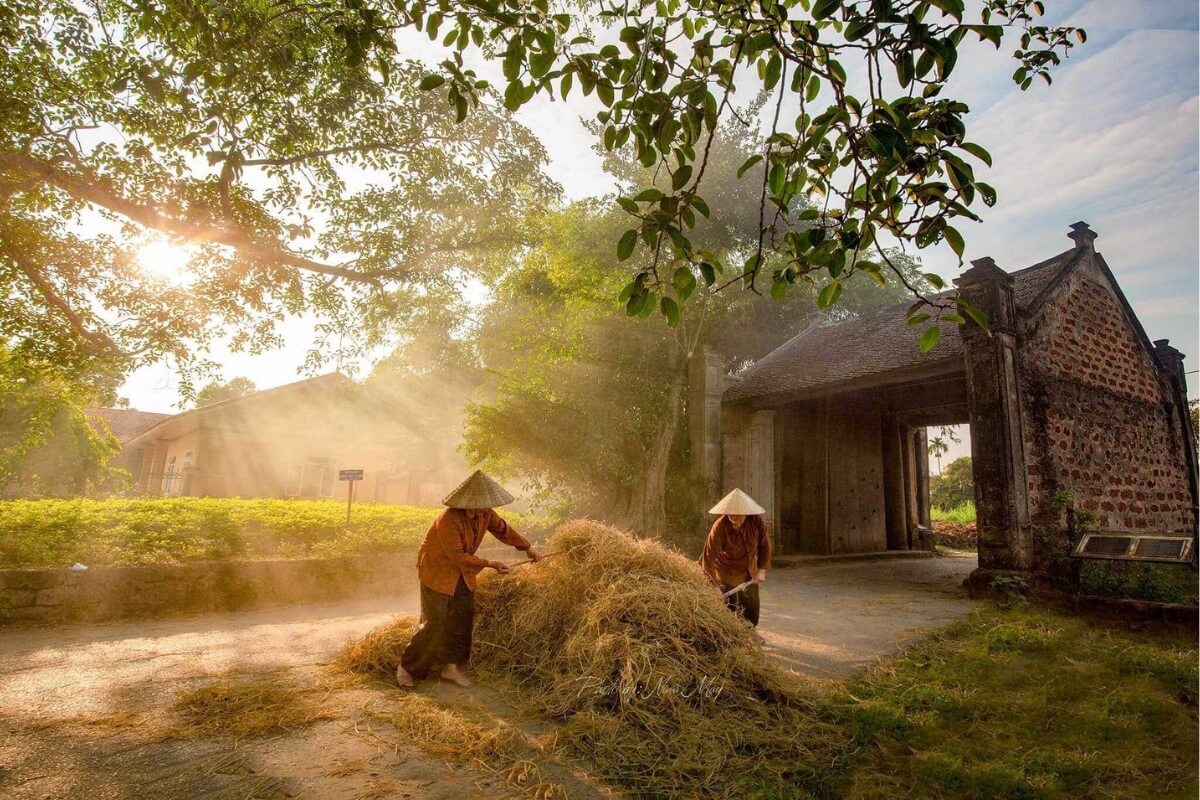
The villages surrounding Hanoi can be visited throughout the year, but certain seasons offer particularly rewarding experiences.
Autumn, from September to November, is often considered the best time to explore Hanoi villages. Cooler temperatures, lower humidity, and pleasant weather create ideal conditions for walking and outdoor sightseeing.
Spring, particularly between February and April, is another excellent season. During this period, many villages host traditional festivals that provide unique opportunities to experience local customs, religious ceremonies, and cultural performances.
Summer brings warmer temperatures and occasional rainfall, but lush green landscapes can make rural areas especially beautiful. Winter tends to be cooler and less crowded, offering a quieter travel experience.
Travelers interested in photography may wish to plan their visit around seasonal agricultural activities, village festivals, or specific craft production periods that create particularly attractive scenes.
Suggested Village Itineraries Near Hanoi
For travelers with limited time, a half-day excursion to Bat Trang Pottery Village offers a convenient introduction to Hanoi’s cultural heritage. Visitors can explore workshops, participate in pottery-making activities, and enjoy local cuisine before returning to the city.
A full-day itinerary might combine Duong Lam Ancient Village with a visit to Van Phuc Silk Village. This combination allows travelers to experience both historical architecture and traditional craftsmanship within a single day.
Those seeking a more comprehensive cultural journey can explore multiple Hanoi villages over two or three days. Such itineraries often include Bat Trang, Duong Lam, Quang Phu Cau, Chuong Village, and Co Loa, providing a deeper understanding of northern Vietnam’s diverse cultural landscape.
Many visitors discover that village excursions become highlights of their trip because they reveal aspects of Vietnamese life rarely encountered in major tourist destinations.
Responsible Travel Tips When Visiting Traditional Villages
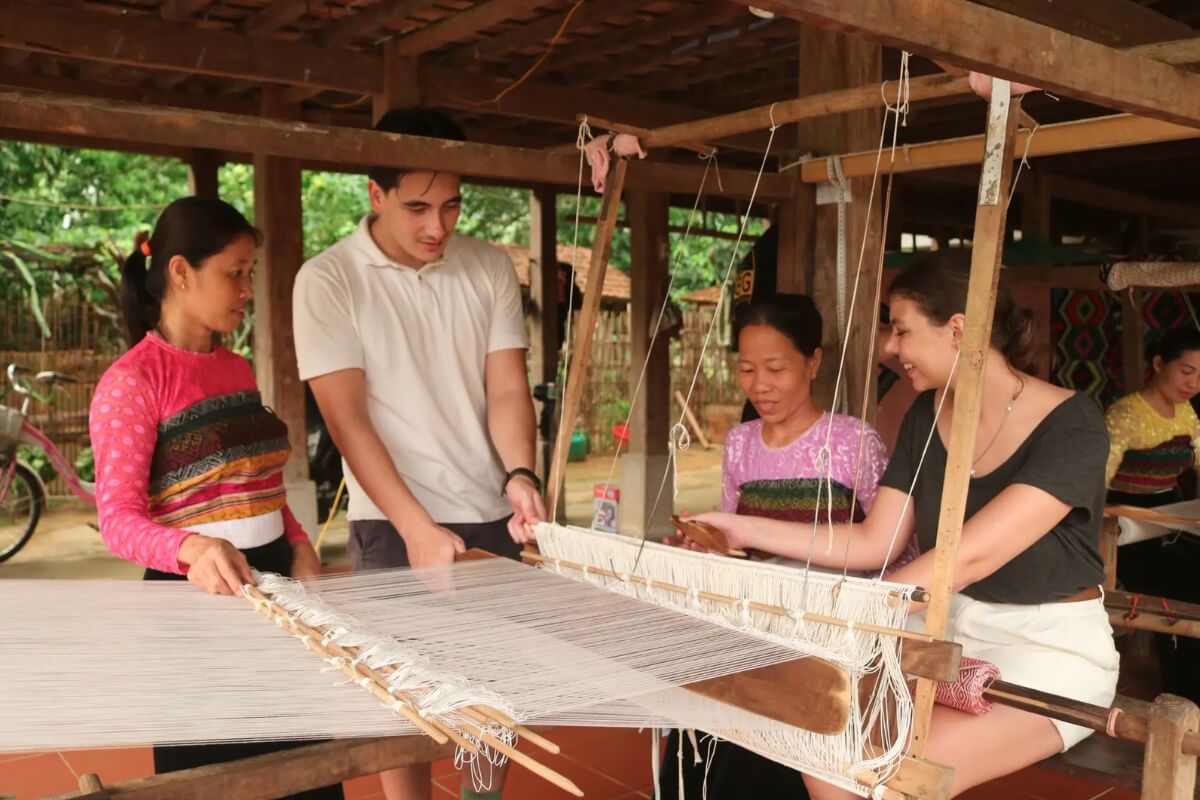
Respectful travel plays an important role in preserving the cultural integrity of village communities.
Visitors should dress appropriately when entering temples, communal houses, and other religious sites. Asking permission before photographing local residents is also considered good practice, particularly during ceremonies or private activities.
Supporting local artisans by purchasing authentic handmade products contributes directly to community livelihoods. Choosing locally owned businesses and guided experiences further strengthens the positive impact of tourism.
Travelers should also remain mindful of environmental sustainability by minimizing waste and respecting natural surroundings.
Responsible tourism not only enhances the visitor experience but also helps ensure that future generations can continue to enjoy the unique character of traditional villages in Hanoi.


 Contact Us via Messenger
 Send Inquiry