
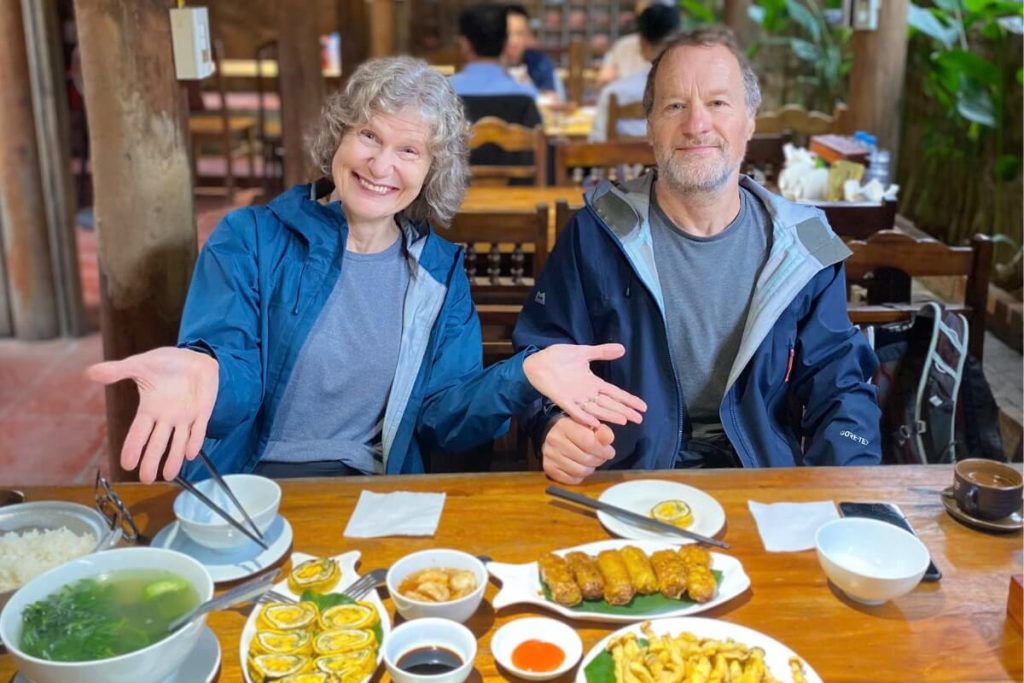
Discover the best foods in Hanoi, Vietnam. From iconic Hanoi dishes to hidden local flavors, this ultimate guide explores the authentic Hanoi cuisine you must try.
Why Hanoi Is the Culinary Capital of Vietnam
Hanoi is not only the political and cultural heart of Vietnam, but also its most influential culinary capital. For centuries, the city has shaped what the world now recognizes as Vietnamese cuisine. The best food in Hanoi is not about luxury dining or complicated techniques; it is about balance, heritage, and deeply rooted traditions passed down through generations.
Experiencing Hanoi cuisine is one of the most immersive ways to understand the soul of Vietnam, and joining an authentic local experience Hanoi tour allows visitors to go beyond tourist menus and into real neighborhood kitchens and street stalls.
This guide is designed for international travelers searching for the best food in Hanoi, Vietnam. It explores the most iconic Hanoi dishes, explains their cultural background, and offers practical insight into why these foods are considered must-try experiences when visiting the capital.
What Makes Hanoi Cuisine Unique
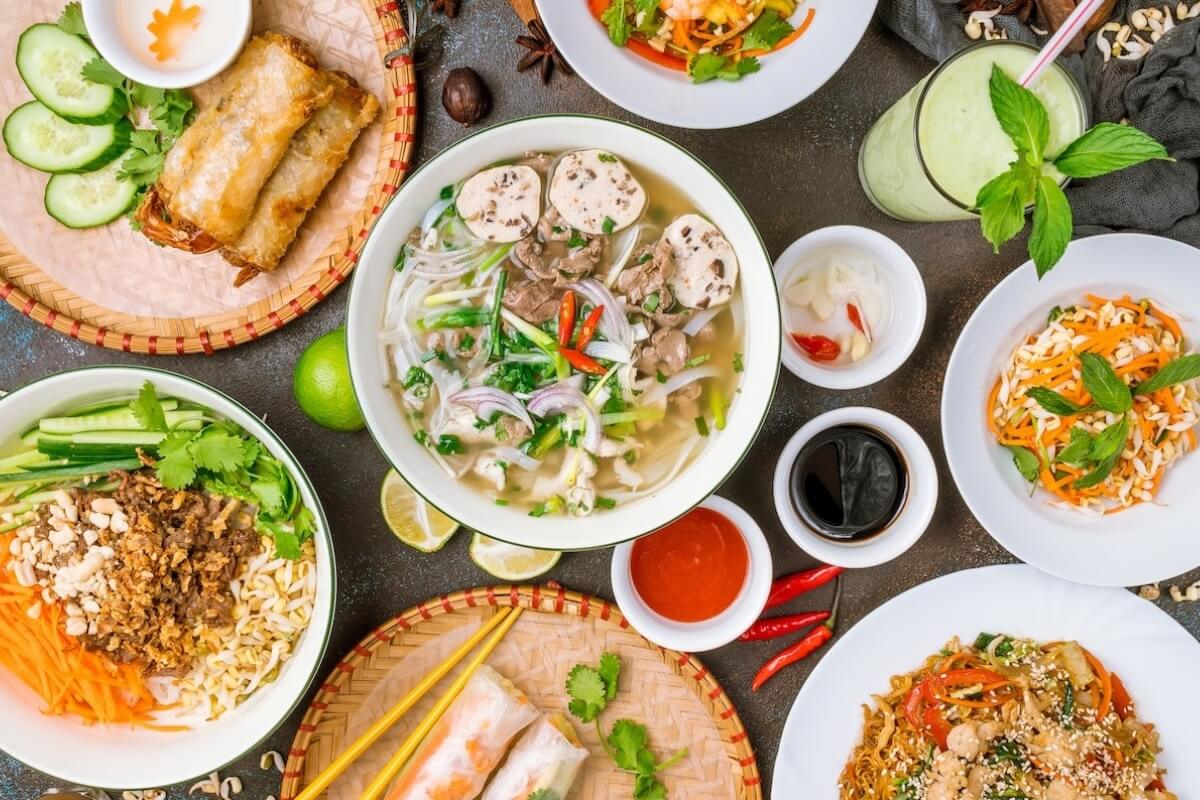
Hanoi cuisine is known for its elegance, restraint, and subtlety. Unlike the bold spiciness of central Vietnam or the sweeter flavors of the south, Hanoi food focuses on harmony. Ingredients are carefully selected, seasoning is light but precise, and freshness is essential.
One defining characteristic of Hanoi cuisine is the respect for original flavors. Herbs are used to enhance rather than overpower, broths are simmered for hours to achieve clarity, and dipping sauces are adjusted delicately to suit each dish. Many of today’s most famous Vietnamese foods originated in Hanoi before spreading nationwide.
Another important aspect is seasonality. Traditional Hanoi dishes change slightly throughout the year, reflecting the city’s four distinct seasons. Locals instinctively know which foods suit summer heat and which comfort the body during cold winter months.
Top 10+ Must-try Foods in Hanoi Vietnam You Shouldn’t Miss
Pho – The Soul of Hanoi Cuisine
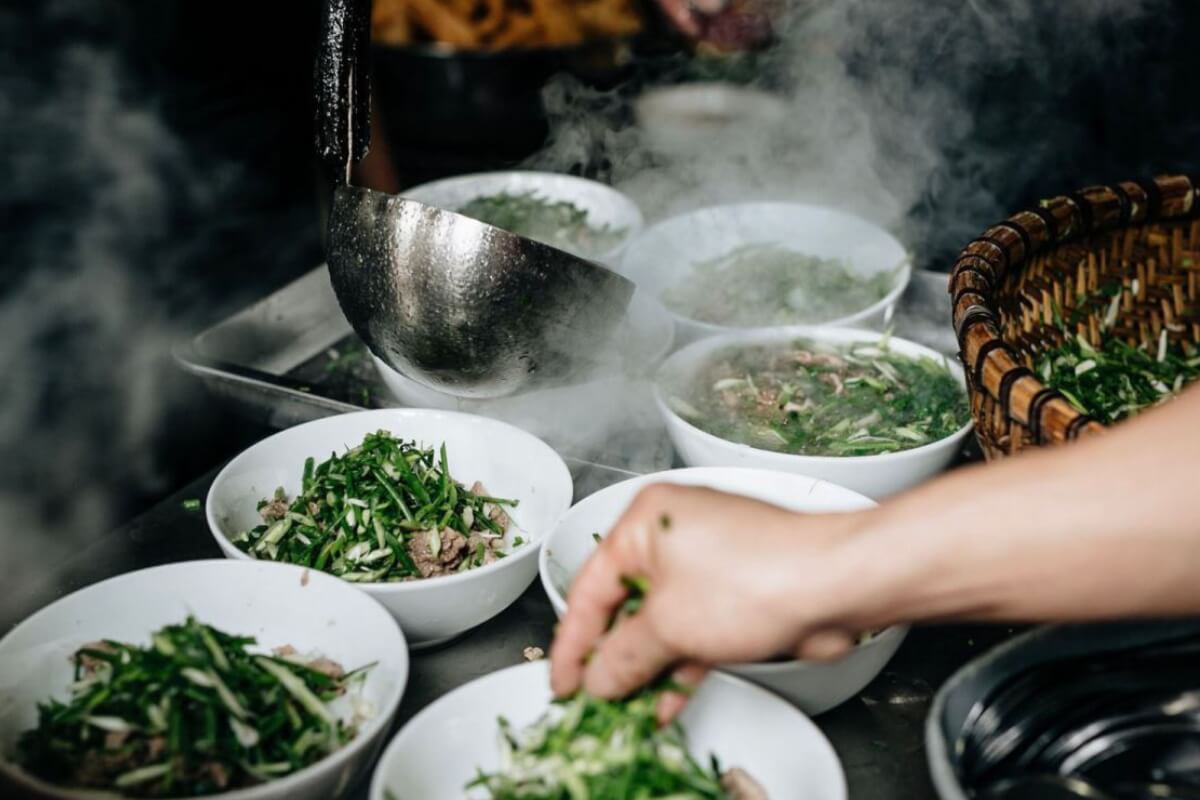
No discussion of the best food in Hanoi is complete without pho. Although pho is now internationally famous, its most authentic form is still found in Hanoi. Northern-style pho is lighter, cleaner, and more restrained than versions served elsewhere.
Pho in Hanoi typically features a clear beef broth made from slowly simmered bones, charred ginger, and onions. The noodles are flat and soft, while the beef is sliced thinly and cooked gently in the hot broth. Unlike southern pho, Hanoi pho is served with fewer herbs, allowing the broth to remain the star.
For locals, pho is more than a meal; it is a daily ritual. Many Hanoi residents eat pho early in the morning, standing or sitting on low stools, before starting their workday. This simplicity and consistency are what make pho one of the most beloved Hanoi dishes of all time.
Where to Eat Pho Hanoi:
- Pho Gia Truyen Bat Dan: 49 Bat Dan Street, Hoan Kiem District, Hanoi, Vietnam.
- Pho Thin Lo Duc: 13 Lo Duc Street, Hai Ba Trung District, Hanoi, Vietnam.
Bun Cha Hanoi – Hanoi’s Most Iconic Dish
Bun cha is widely considered the signature dish of Hanoi. It represents everything that defines Hanoi cuisine: balance, freshness, and technique. The dish consists of grilled pork served with rice noodles, fresh herbs, and a dipping sauce made from fish sauce, vinegar, sugar, and chili.
The pork is traditionally grilled over charcoal, giving it a smoky aroma that contrasts beautifully with the light, refreshing noodles and herbs. What makes bun cha truly special is the interaction between components. Each bite allows diners to customize flavors, adjusting herbs and dipping sauce to personal taste.
Bun cha is typically eaten at lunchtime, and many shops sell out by early afternoon. For visitors searching for the best food in Hanoi, Vietnam, bun cha is an essential experience that reflects the city’s culinary identity.
Where to Eat Bun Cha Hanoi:
- Bun Cha Dac Kim: 1 Hang Manh Street, Hoan Kiem District, Hanoi, Vietnam.
- Bun Cha Huong Lien: 24 Le Van Huu Street, Hai Ba Trung District, Hanoi
Banh Mi Hanoi
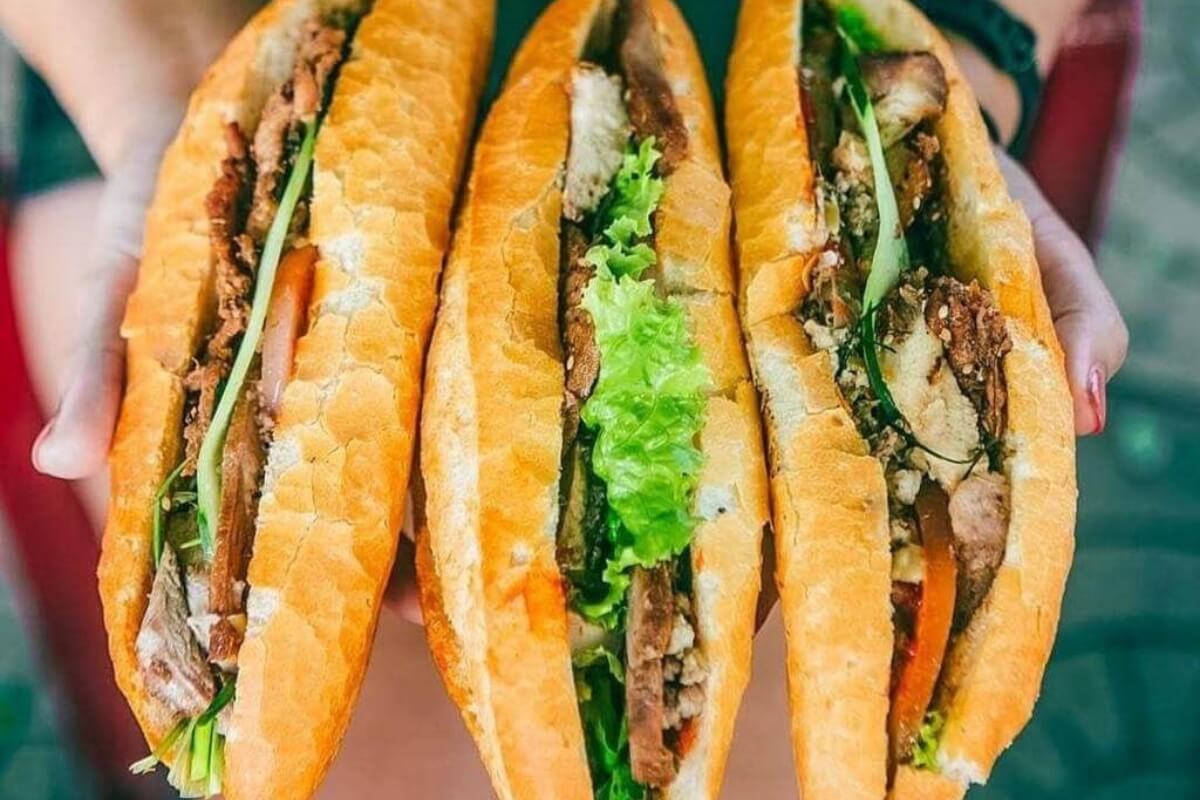
While banh mi is available throughout Vietnam, Hanoi’s version is notably simpler and more refined. Instead of overloaded fillings, Hanoi banh mi emphasizes quality ingredients and harmony.
A traditional Hanoi banh mi often includes pâté, cold cuts, pickled vegetables, and a light spread of butter or sauce, all inside a crisp baguette. The flavors are clean, savory, and perfectly balanced, making it an ideal breakfast or quick snack.
This understated approach reflects the broader philosophy of Hanoi cuisine, where less is often more. For travelers, enjoying banh mi from a small neighborhood stall offers insight into everyday Hanoi life.
Where to Eat Banh Mi Hanoi:
- Banh Mi 25: 25 Hang Ca Street, Hoan Kiem District, Hanoi, Vietnam.
Bun Rieu – Crab Noodle Soup
Bun rieu is one of the most comforting Hanoi dishes and closely associated with home-style cooking. The dish features a tangy broth made from tomatoes and crab paste, served with rice noodles, tofu, and herbs.
What makes bun rieu unique is its flavor profile. The broth is slightly sour, light yet deeply savory, and extremely refreshing. It is especially popular during warmer months when locals crave something lighter but still nourishing.
Although bun rieu can be found in other regions, Hanoi’s version is considered the benchmark. It highlights the city’s ability to transform humble ingredients into a complex and satisfying dish.
Cha Ca – Grilled Fish with Turmeric & Dill
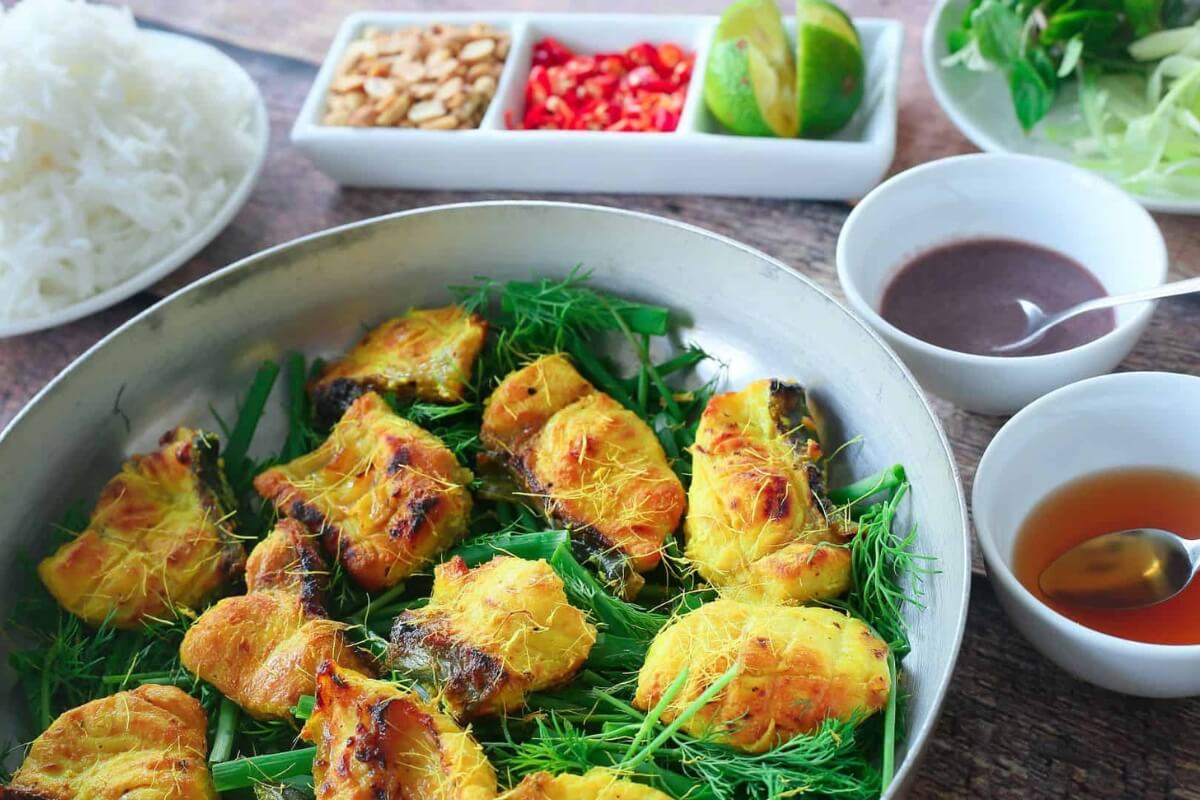
Cha ca is one of the oldest and most distinctive dishes in Hanoi cuisine. Traditionally prepared tableside, this dish consists of marinated fish grilled with turmeric and dill, then served sizzling with noodles, herbs, peanuts, and fermented shrimp paste.
The combination of dill and turmeric is unusual in Vietnamese cooking, making cha ca uniquely Hanoi. Eating cha ca is a social experience, often shared among friends or family, reinforcing its cultural significance.
For food lovers seeking depth and history, cha ca represents the refined side of Hanoi’s culinary heritage.
Where to Eat Cha Ca in Hanoi:
- Cha Ca La Vong: 14 Cha Ca Street, Hoan Kiem District, Hanoi, Vietnam.
- Cha Ca Thang Long: 21–31 Duong Thanh Street, Hoan Kiem District, Hanoi, Vietnam.
Bun Thang – The Elegance of Traditional Hanoi Food
Bun thang is considered one of the most refined Hanoi dishes. Often served during holidays or special occasions, it features thin rice noodles topped with shredded chicken, egg omelet, pork floss, and herbs, all floating in a clear, aromatic broth.
The beauty of bun thang lies in its precision. Ingredients are sliced finely, arranged carefully, and balanced meticulously. This dish showcases the craftsmanship and patience that define traditional Hanoi cuisine.
For visitors interested in the cultural depth behind Vietnamese food, bun thang offers a glimpse into Hanoi’s aristocratic culinary past.
Address to Eat Bun Thang in Hanoi:
- Bun Thang Cau Go: 32–34 Cau Go Street, Hoan Kiem District, Hanoi, Vietnam.
Xoi – Sticky Rice in Hanoi’s Daily Life
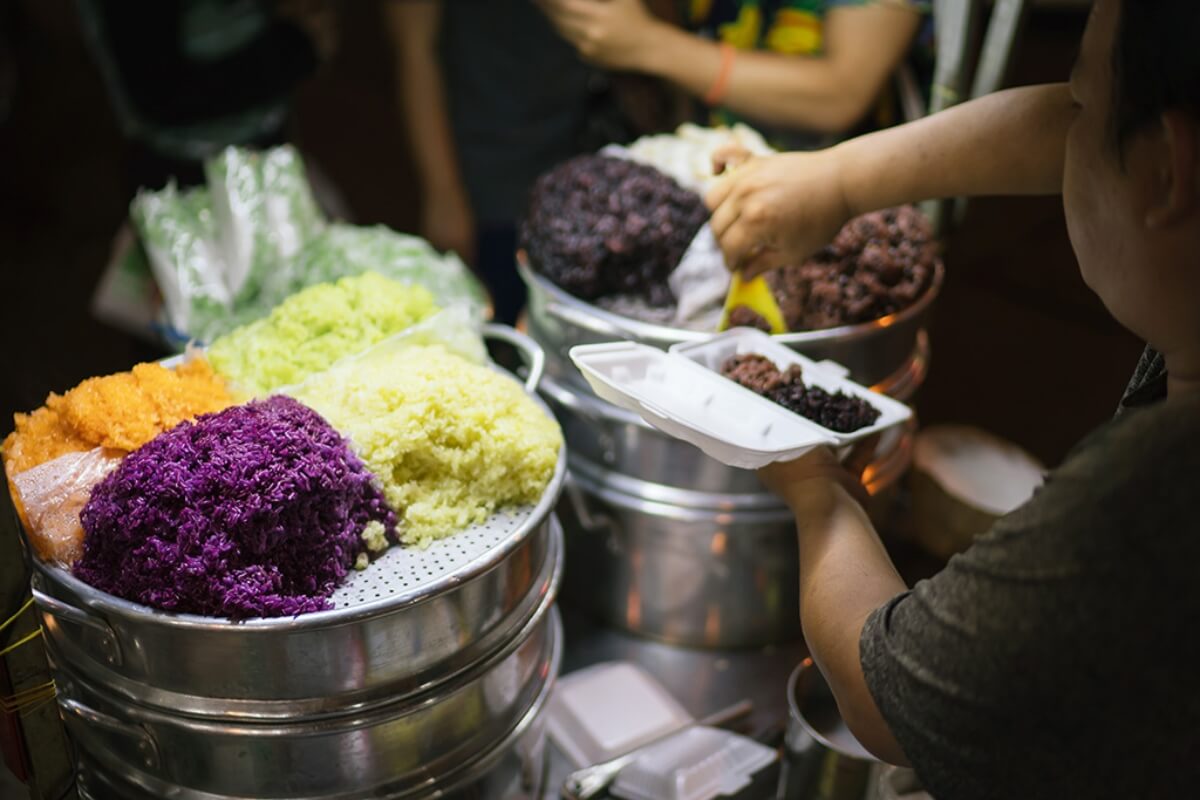
Sticky rice, known as xoi, plays an important role in Hanoi’s street food culture. It is filling, affordable, and deeply comforting. Hanoi xoi is typically topped with savory ingredients such as pork, egg, or mung bean paste.
Unlike noodle dishes, xoi is often eaten on the go, especially in the early morning. Its popularity reflects the practicality of Hanoi cuisine, where food is designed to fit seamlessly into daily routines.
Address to Eat Sticky Rice in Hanoi:
- Xoi Yen Nguyen Huu Huan: 35B Nguyen Huu Huan Street, Hoan Kiem District, Hanoi, Vietnam.
Nem Ran – Hanoi Fried Spring Rolls
Nem ran, also known internationally as Vietnamese fried spring rolls, holds a special place in Hanoi cuisine. Unlike southern versions, Hanoi-style nem ran is smaller, crispier, and less sweet. The filling traditionally includes minced pork, glass noodles, wood ear mushrooms, carrots, and egg, wrapped tightly in rice paper and fried until golden.
What makes nem ran distinctive in Hanoi is its balance. The rolls are never greasy, and the flavors are clean and savory. They are often served with fresh herbs, lettuce, and a light fish sauce dip that complements rather than dominates. Nem ran is deeply associated with family meals, celebrations, and ancestral traditions, making it more than just a popular Hanoi dish, it is a cultural symbol.
Address to Eat Nem Ran in Hanoi:
- Nem Ran Gia Truyen Ba Kieu: 26 Tong Dan Street, Hoan Kiem District, Hanoi
Bun Moc – Pork Meatball Noodle Soup
Bun Moc is one of the most underrated yet beloved dishes in Hanoi cuisine. It consists of rice noodles served in a clear pork broth, topped with pork meatballs, sliced pork, and sometimes mushrooms. The broth is light but aromatic, reflecting the Northern Vietnamese preference for subtlety.
Locals often eat bun moc for breakfast or lunch, especially when they want something gentle and nourishing. For travelers seeking the best food in Hanoi beyond famous dishes, bun moc offers insight into everyday local eating habits and the quiet sophistication of Hanoi cooking.
Where to Eat Bun Moc in Hanoi:
- Bun Moc Ba Luong: 57 Hang Gai Street, Hoan Kiem District, Hanoi, Vietnam.
Bun Dau Mam Tom – A Bold and Authentic Hanoi Experience
Bun dau mam tom is one of the most polarizing yet iconic Hanoi dishes. It features cold rice noodles, fried tofu, boiled pork, and herbs, served with fermented shrimp paste. The shrimp paste has a strong aroma that may surprise first-time visitors, but for locals, it is an essential flavor of Hanoi.
This dish represents the unapologetic authenticity of Hanoi cuisine. It is not adapted for tourists, and that is precisely its charm. Trying bun dau mam tom is often seen as a rite of passage for travelers who want to experience Hanoi food as locals do.
Where to Eat Bun Dau in Hanoi:
- Bun Dau Mam Tom Hang Khay: 31 Hang Khay Street, Hoan Kiem District, Hanoi, Vietnam.
Banh Cuon – Delicate Rice Rolls from Hanoi
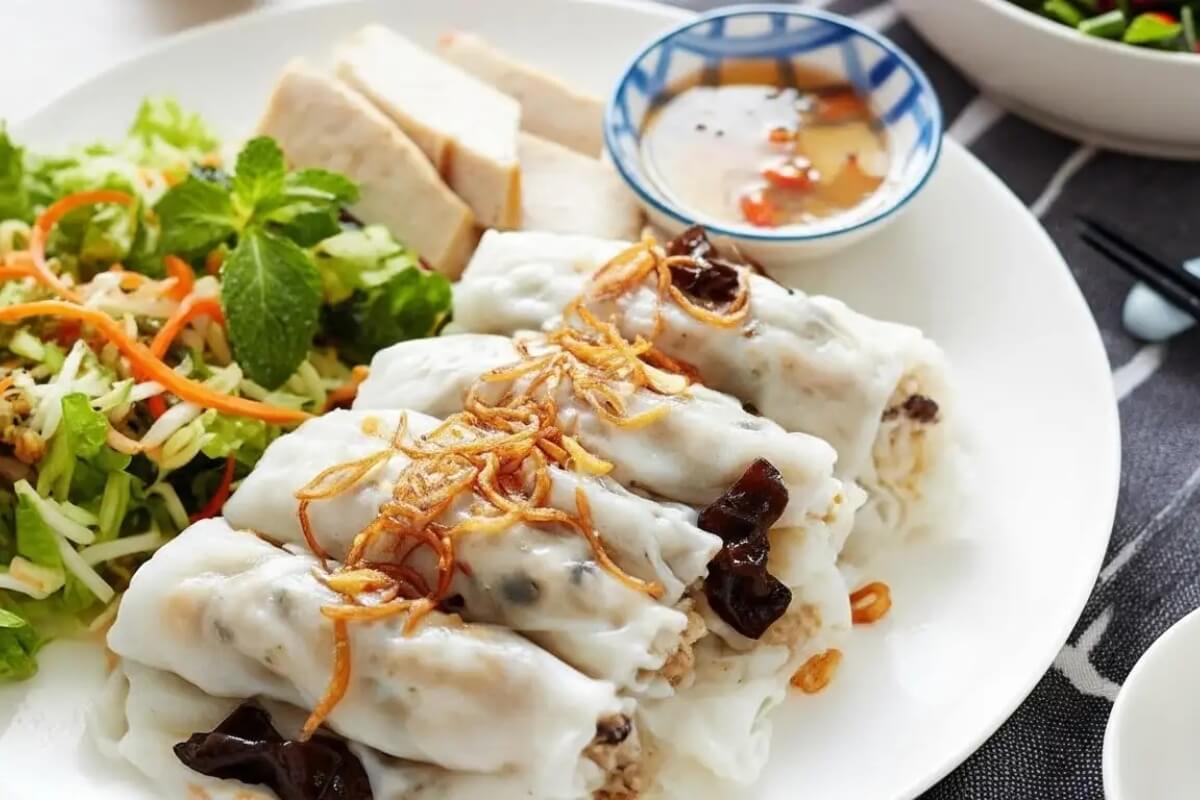
Banh cuon is a classic example of Hanoi’s refined culinary technique. Made from thin sheets of steamed rice batter, the rolls are filled with minced pork and wood ear mushrooms, then topped with crispy shallots.
The texture of banh cuon is soft, silky, and light, making it ideal for breakfast or brunch. It is typically served with a gentle fish sauce dip and sometimes accompanied by Vietnamese sausage. Banh cuon showcases the elegance of Hanoi cuisine, where simplicity requires skill and precision.
Bun Oc – Hanoi’s Snail Noodle Soup
Bun oc is a unique Hanoi dish featuring freshwater snails served with rice noodles in a sour broth made from tomatoes and vinegar. The snails are chewy and earthy, while the broth is refreshing and slightly tangy.
This dish reflects Hanoi’s long-standing relationship with rivers and lakes. Bun oc is especially popular during transitional seasons, offering a balance between lightness and depth. For adventurous eaters, it is one of the most memorable Hanoi food experiences.
Where to Eat Bun Oc in Hanoi:
- Bun Oc Co Thuy: 57 Hai Ba Trung Street, Hoan Kiem District, Hanoi, Vietnam.
Pho Cuon – A Creative Twist on Hanoi’s Most Famous Dish
Pho cuon is a modern Hanoi invention that reimagines traditional pho ingredients. Instead of noodles in broth, wide rice sheets are rolled around beef and herbs, then dipped into a savory sauce.
This dish highlights Hanoi’s ability to innovate while respecting tradition. Pho cuon is light, fresh, and visually appealing, making it popular among both locals and international visitors. It also demonstrates how Hanoi cuisine continues to evolve without losing its identity.
Chao Suon – Hanoi Rice Porridge for Cool Evenings
Chao suon is a comforting rice porridge topped with pork ribs, often eaten in the evening or during cooler weather. The porridge is smooth and warm, while the ribs add richness and texture.
This dish represents the nurturing side of Hanoi food culture. It is often associated with care, recovery, and family meals. For travelers visiting Hanoi in winter, chao suon offers warmth and emotional comfort alongside flavor.
Bun Bo Nam Bo – A Fresh and Flavorful Hanoi Favorite
Despite its name, bun bo Nam Bo is considered a Hanoi specialty. It consists of rice noodles topped with stir-fried beef, fresh herbs, peanuts, and a light fish sauce dressing.
There is no broth, making the dish refreshing and well-balanced. Bun bo Nam Bo is especially popular among office workers and young locals, highlighting the adaptability of Hanoi cuisine to modern lifestyles while maintaining traditional flavors.
Nom Bo Kho – Green Papaya Salad with Beef Jerky
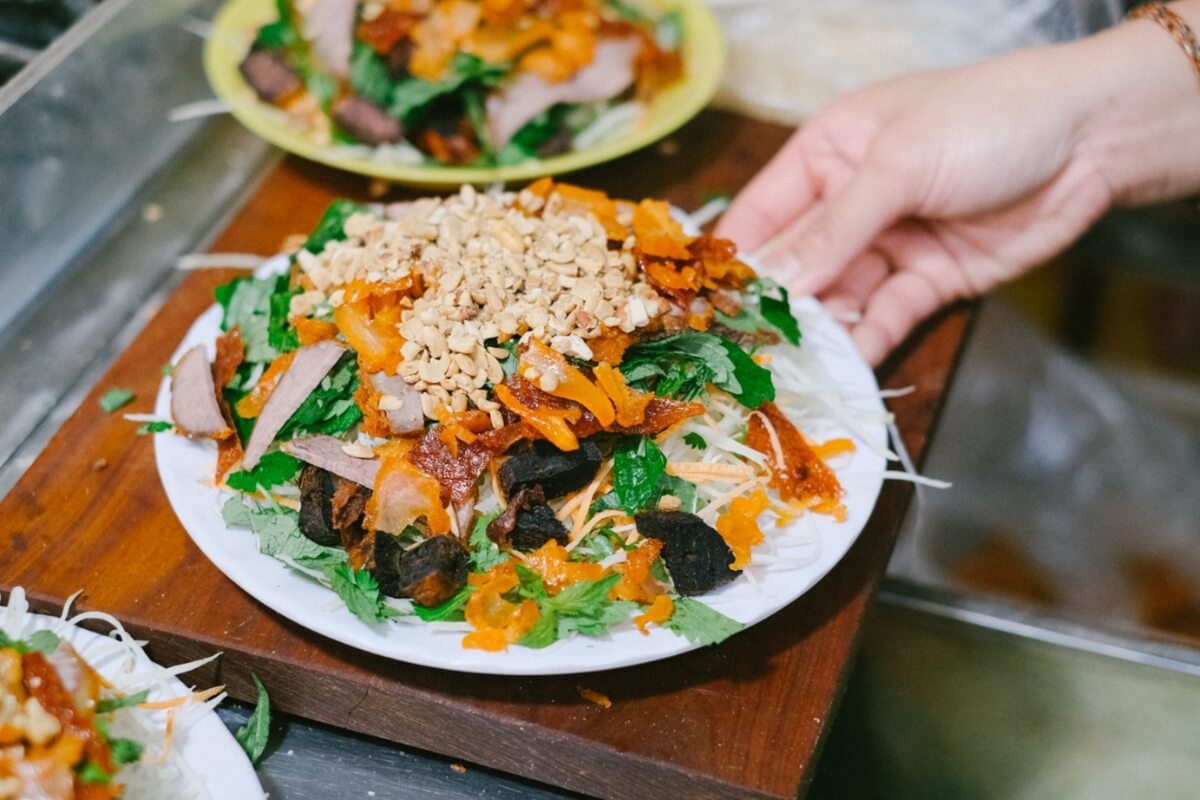
Nom bo kho is a popular Hanoi street snack made from shredded green papaya, dried beef, herbs, and a light sweet-sour dressing. It is crunchy, refreshing, and highly addictive.
Often eaten in the afternoon or early evening, this dish showcases Hanoi’s snack culture and the importance of texture in Vietnamese cuisine. It is a perfect example of how simple ingredients can create complex sensory experiences.
Sweet Treats and Desserts in Hanoi Cuisine
Hanoi desserts are lighter and less sweet than those found in southern Vietnam. Popular options include che, a category of sweet soups and puddings made from beans, rice, or fruit.
Seasonal desserts are especially popular in Hanoi, reinforcing the city’s close connection between food and climate. These sweet treats offer a refreshing contrast to savory dishes and complete the Hanoi food experience.
Exploring Hanoi Through Its Cuisine
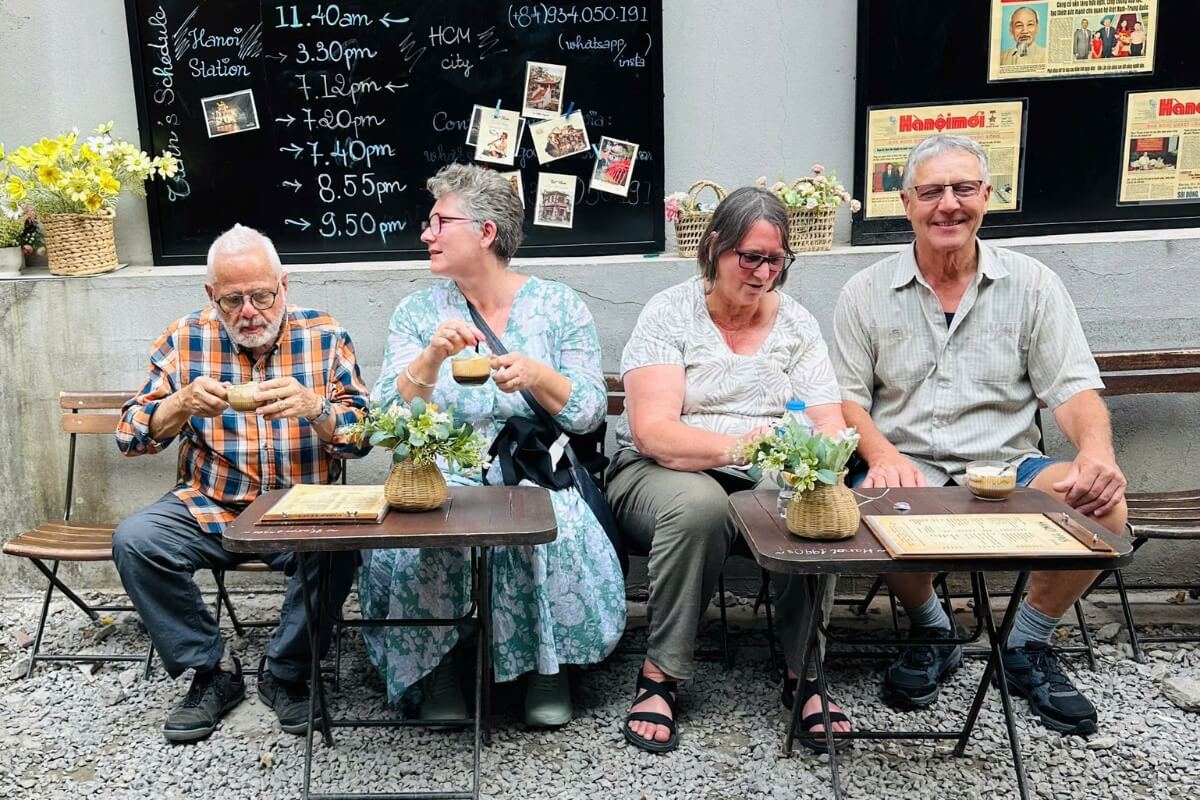
Understanding Hanoi cuisine is essential to understanding Hanoi itself. The city’s food reflects its people: thoughtful, resilient, and deeply respectful of tradition.
Whether you are visiting for a short stay or an extended journey, exploring Hanoi dishes will leave a lasting impression. For those wanting deeper insight, guided local experiences and hanoi tours provide access to stories, flavors, and places that independent travelers often miss.
Hanoi is not just a destination to visit; it is a city to taste, one dish at a time.


 Contact Us via Messenger
 Send Inquiry