

Da Nang has transformed from a quiet coastal city into one of Vietnam’s most appealing travel destinations. Nestled between the East Sea and lush mountain ranges, it offers a rare combination of beautiful beaches, vibrant local culture, modern infrastructure, and easy access to some of the country’s most significant heritage sites.
If you are planning your first trip to Central Vietnam, this Da Nang travel guide from Vietnam Shore Excursions covers everything you need to know. The information includes the best time to visit, top attractions, where to stay, local food specialties, and practical travel advice.
Is Da Nang Worth Visiting?
For many years, Da Nang was merely a transit stop for travelers rushing between the historic town of Hoi An and the imperial city of Hue. Today, it has completely transformed into a world-class destination in its own right. Many travelers arrive in Da Nang expecting a beach destination and leave surprised by how much more the city has to offer. Unlike larger cities such as Hanoi or Ho Chi Minh City, Da Nang feels spacious, clean, and easy to navigate.

Very few cities in Asia manage to balance urban development with natural beauty as seamlessly as Da Nang. Within a single day, you can swim in the ocean, hike up a jungle mountain, and dine at a rooftop bar overlooking a futuristic skyline. For those wondering is Da Nang worth visiting, the answer is a definite yes. The city combines long stretches of sandy coastline with mountain viewpoints, historic sites, excellent dining, and a welcoming atmosphere that appeals to a wide range of travelers.
Another advantage is its strategic location. Positioned right in the middle of the country, it serves as the ultimate basecamp for checking off multiple UNESCO World Heritage sites. Da Nang serves as a gateway to Hoi An, Hue, My Son Sanctuary, and the famous Hai Van Pass, making it an ideal base for exploring Central Vietnam.
Best Time to Visit Da Nang
Planning when to go is a crucial step in any Da Nang travel guide. Because the city is located in Central Vietnam, it experiences a distinct tropical monsoon climate split into two primary seasons: the dry season and the rainy season. Choosing the right months to visit depends entirely on what activities you want to prioritize.
1. The Dry Season (February to August)
This is hands-down the best time to visit Da Nang for tourists, offering the quintessential tropical vacation experience. During these months, you can expect consistent sunny weather, minimal rain, and low humidity early in the season.
The ocean is calm, creating ideal beach conditions for swimming and water sports. Furthermore, clear skies ensure excellent visibility for sightseeing at high-altitude spots like Ba Na Hills or the Hai Van Pass.
Best Months for Beach Activities:
- March to May: This is the “sweet spot” for travel. The weather is warm but not overly hot (averaging 25°C to 28°C), making it perfect for both sunbathing and city exploration.
- June to August: These are the peak summer months. While temperatures can climb above 35°C during midday, it is the absolute best time for scuba diving, snorkeling around the nearby Cham Islands, and enjoying late-afternoon beach vibes.
2. The Rainy Season (September to January)

If you prefer to avoid the summer crowds and don’t mind a bit of unpredictable weather, the winter monsoon months offer a completely different perspective of the city. This period sees increased rainfall, with October and November historically being the wettest months, occasionally bringing heavy tropical storms. Because of the weather, you will see significantly fewer tourists at major landmarks, and the city takes on a misty, poetic atmosphere.
Advantages of Visiting During the Off-Season:
- Lower Accommodation Prices: Luxury beach resorts and boutique hotels drop their rates significantly, offering incredible value for budget-conscious travelers.
- Less Crowded Attractions: You can walk through the Marble Mountains or stand on the Golden Bridge without having to navigate around large tour groups.
3. Month-by-Month Weather Overview
To help you decide, here is a quick summary of what each period offers based on different Da Nang travel guide preferences:
| Time of Year | Average Temperature | Weather Character | Best Travel Style |
| Feb – Apr | 22°C – 27°C | Cool breeze, dry, mild sunshine | Sightseeing, photography, heritage tours |
| May – Aug | 28°C – 35°C | Hot, sunny, clear skies | Beach lovers, island hopping, water sports |
| Sep – Nov | 24°C – 29°C | Heavy rain, high humidity, stormy | Budget backpackers, café culture, indoor spas |
| Dec – Jan | 19°C – 24°C | Chilly, light mist, overcast | Active trekking, exploring Hoi An by foot |
Quick Tip for your itinerary: If your main goal is to spend morning until night on the sand, book your trip between April and June. If you are looking for a comfortable sightseeing climate without the scorching heat, February to March is your perfect window.
How to Get to Da Nang City, Vietnam?
As the commercial and tourism hub of Central Vietnam, Da Nang is incredibly well-connected. No matter your preferred style of journey, this Da Nang travel guide covers all the essential transit options to get you into the heart of the city.
1. By Air: Swift and Convenient

Flying is the fastest and most seamless way to reach the city, especially for international arrivals or travelers heading down from Hanoi or up from Ho Chi Minh City. Da Nang International Airport is one of Vietnam’s busiest airports and serves numerous domestic and international routes. Direct flights connect the city with destinations across Asia, including Singapore, Bangkok, Seoul, Taipei, and Kuala Lumpur.
- Da Nang International Airport (DAD): Located just 3 kilometers from downtown, it is one of Vietnam’s most modern and highly-rated airports.
- International Routes: Direct flights link Da Nang to major Asian hubs, including Seoul, Taipei, Singapore, Tokyo, Bangkok, and Hong Kong.
- Domestic Connections: Vietnam Airlines, VietJet Air, and Bamboo Airways operate frequent daily hourly shuttles connecting Hanoi and Ho Chi Minh City to Da Nang in just 1 hour and 20 minutes.
- Airport Facilities & Ground Transit: The airport features excellent dynamic signage, foreign exchange booths, and SIM card vendors. Once outside, you can easily hop into a traditional taxi or use ride-hailing apps like Grab to reach your beach resort within 10 to 15 minutes.
2. By Train: A Scenic Coastal Adventure
If you have extra time and want to witness the stunning topography of Vietnam, booking a rail ticket is a highly rewarding alternative. According to our Da Nang travel guide, the route between Hue and Da Nang passes through spectacular coastal landscapes near Hai Van Pass, providing memorable views that many visitors consider a highlight of their trip.
Da Nang Railway Station sits right in the city center. It is a major stop along the North-South “Reunification Express” railway line line.
Pros and Cons:
- Pros: Highly affordable, environmentally friendly, and offers unforgettable visual landscapes.
- Cons: Travel times are long (around 16 hours from Hanoi or Ho Chi Minh City). We highly recommend booking an air-conditioned 4-berth soft sleeper cabin for overnight journeys.
3. By Bus: Budget Long-Distance Travel
Long-distance buses connect Da Nang with major cities throughout Vietnam. This option appeals to budget-conscious travelers, although travel times can be considerably longer than flights.
Da Nang Central Bus Station handles arrivals from all over the country. Comfort has vastly improved over the years with the widespread adoption of “limousine sleeper buses” that offer semi-private curtained cabins.
Buses run constantly from Hue (around 3 hours) and Hoi An (around 1 hour). Overnight sleeper buses from Hanoi take approximately 14 to 16 hours, making them a cheaper alternative to trains if booked last-minute.
4. By Cruise Ship: Arriving via the High Seas
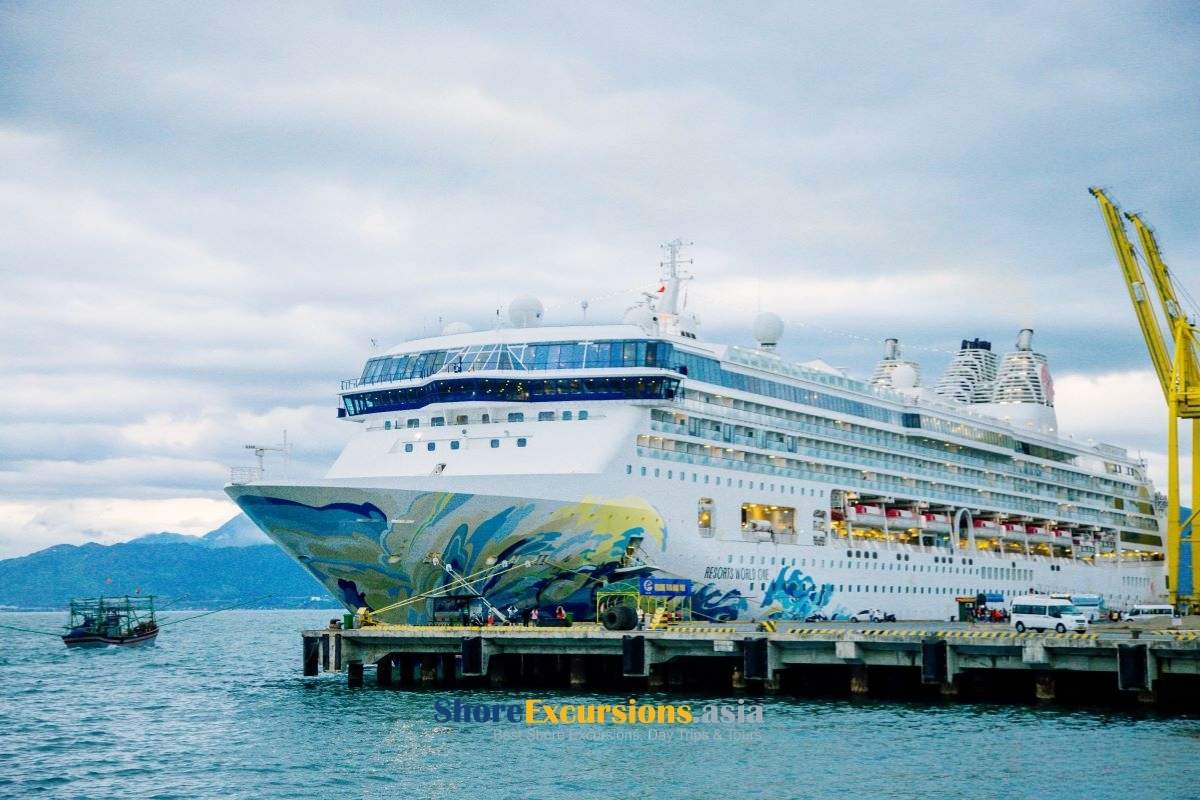
Da Nang is also a popular stop on many Asian cruise itineraries. Most large cruise vessels dock at Tien Sa Port, a deep-water seaport tucked inside the protected bay of the Son Tra Peninsula. It is located roughly 10 kilometers northeast of downtown Da Nang. The port facility features basic tourist information counters and souvenir stalls.
Cruise passengers can easily join organized Da Nang shore excursions to attractions such as Ba Na Hills, Hoi An Ancient Town, Marble Mountains, and Hue Imperial City. For visitors with limited time, guided excursions provide an efficient way to experience the region’s highlights.
How Many Days Do You Need in Da Nang?
When compiling your itinerary, deciding on the duration of your stay is a key question that every comprehensive Da Nang travel guide must address. Because Da Nang is both a vibrant coastal hub and a convenient base for exploring Central Vietnam, the ideal length of your visit depends heavily on your pace and travel goals. For most first-time visitors, 3 to 4 days hits the absolute sweet spot.
The 2-Day “Express” Stay
If you are on a tight schedule or stopping over as part of a rapid north-to-south tour of Vietnam, 48 hours is enough to catch a glimpse of the city’s highlights. In two days, you can spend your mornings relaxing on My Khe Beach, your afternoons climbing the Marble Mountains or riding around the Son Tra Peninsula, and your evenings watching the Dragon Bridge breathe fire.
The 3 to 4-Day “Ideal” Itinerary
A stay of three or four days offers a more complete experience and is considered as the ideal length in most Da Nang travel guides. In addition to exploring Da Nang itself, travelers can comfortably include day trips to Hoi An and Ba Na Hills.
- Day 1: Explore downtown Da Nang, visit the Han Market, check out the Cham Sculpture Museum, and unwind on the beach.
- Day 2: Take a dedicated day trip up to Ba Na Hills to catch early-morning misty views on the famous Golden Bridge and explore the French Village.
- Day 3: Head out to the Son Tra Peninsula to see the giant Lady Buddha statue, then make your way down to Hoi An Ancient Town in the afternoon to watch the lanterns light up the river at night.
- Day 4: Dedicate a day to pure relaxation-lounge at a seaside beach club, learn to surf, or take a half-day trip to the historical My Son Sanctuary.
The 5+ Day to “Deep Dive” into Da Nang City
If you choose to extend your stay to 5 days or more, you can transition from a standard tourist itinerary into a truly immersive vacation. With extra time, you can book a scenic train ride over the Hai Van Pass for a day trip to the imperial city of Hue. Also, take a speedboat out to the pristine Cham Islands for a day of snorkeling, or spend your afternoons hunting down hidden local coffee shops and street food stalls tucked away in Da Nang’s vibrant alleyways.
The Recommendation: If you are planning a combined trip to both Da Nang and Hoi An, budget 5 to 6 days total. Keep your hotel base in Da Nang for the first 3 nights to manage your day tours efficiently, then move to a boutique homestay in Hoi An for a night or two to experience the quiet charm of the ancient town after the day-trippers leave.
Da Nang Travel Guide: Top Things to Do in Da Nang
To help you map out your days, our Da Nang travel guide recommends a curated list of the absolute best experiences the city has to offer. From sun-drenched coastlines to mist-shrouded peaks and vibrant cultural hubs, here are the top things you cannot miss.
1. Relax at My Khe Beach
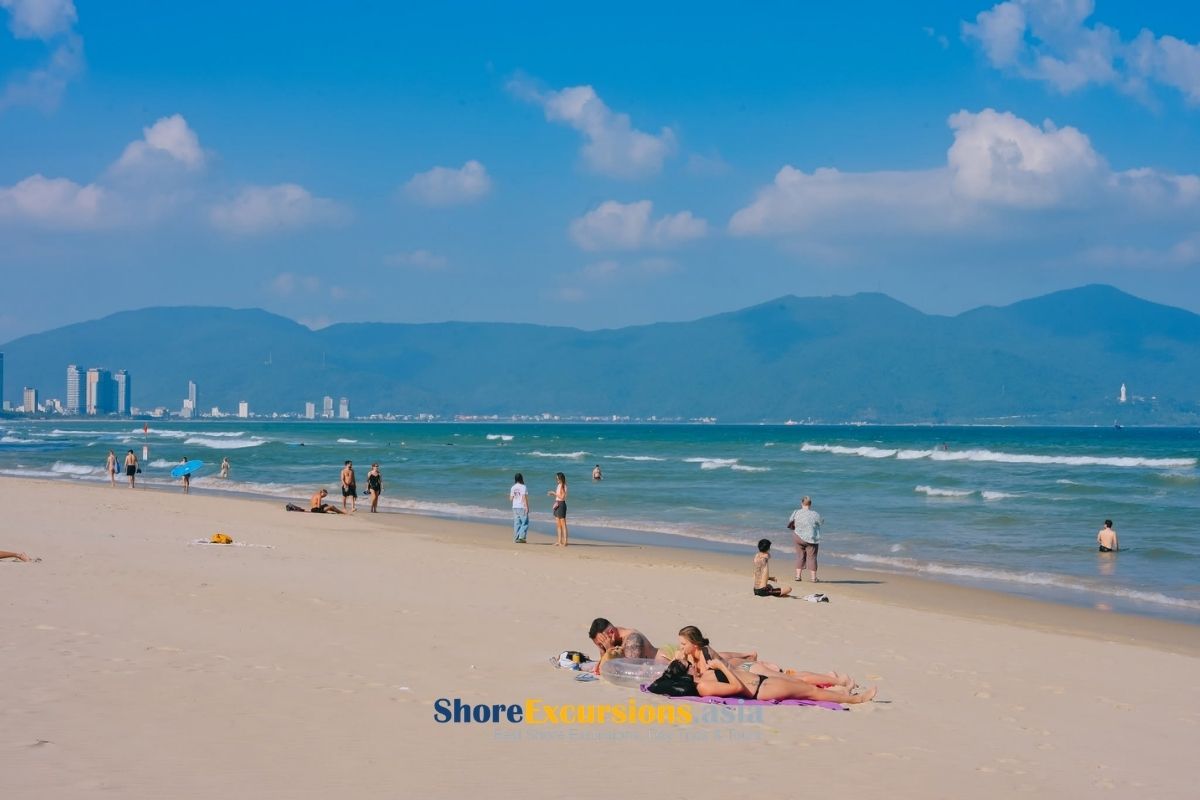
My Khe Beach is often considered one of the most beautiful urban beaches in Southeast Asia. Its wide sandy shoreline stretches for several kilometers, providing ample space even during peak travel seasons. Early mornings offer a particularly authentic experience. Local residents gather for exercise, swimming, and social activities while fishermen return with their daily catch.
Best Activities in My Khe Beach:
- Swimming & Sunbathing: The beach is meticulously cleaned, and designated safe swimming zones are monitored by lifeguards daily.
- Surfing & Water Sports: From September to March, the offshore swells make it a fantastic spot for beginner and intermediate surfers. Jet skiing and parasailing are also widely available.
- Beachfront Dining: The promenade is lined with lively seafood restaurants where you can point to live tanks and have your dinner cooked to order on the spot.
Best Time to Visit: Arrive either early in the morning (5:00 AM – 7:30 AM) to catch a glorious sunrise alongside locals doing tai chi, or in the late afternoon (4:30 PM onward) when the midday heat breaks.
2. Explore the Marble Mountains

Rising abruptly from the flat coastal plain just 15 minutes south of the city center, the Marble Mountains (Ngu Hanh Son) are a striking spiritual and natural sanctuary. This cluster of five limestone peaks is named after the five essential elements: metal, wood, water, fire, and earth.
The Highlights:
- Huyen Khong Cave: The crown jewel of the complex. This massive, cathedral-like cave features a giant Buddha carved directly into the stone wall, illuminated by dramatic shafts of sunlight piercing through holes in the collapsed roof.
- Linh Ung Pagoda: One of three historic pagodas bearing this name in Da Nang, nestled quietly on the mountainside surrounded by ancient trees.
- Panoramic Viewpoints: Climb the stone steps to the summit of Thuy Son (Water Mountain) for a sweeping, 36-hour view of the coastline and the city skyline.
Visitor Tips: The limestone steps can become incredibly slick from centuries of foot traffic. Wear sturdy walking shoes with good grip, bring a bottle of water, and consider paying a small extra fee to take the glass elevator up the initial steep ascent to save your energy.
3. Visit Ba Na Hills and the Golden Bridge

Perched over 1,400 meters above sea level in the Truong Son Mountains, Sun World Ba Na Hills is a massive European-themed mountain resort that feels like a world away from the tropical coast. Your journey begins with a ride on a world-record-breaking single-track cable car system. As you ascend, you will watch the tropical jungle drop away, replaced by rushing waterfalls, cooler alpine air, and passing clouds.
The Golden Bridge remains the main attraction of Ba Na Hills. This iconic 150-meter pedestrian walkway, held aloft by two colossal, weathered stone hands emerging from the mountainside, offers a surreal walkway that looks out over the vast valleys below.
Other Attractions:
- French Village: A detailed replica of a medieval French town complete with a Gothic cathedral, cobblestone squares, and vintage cafes.
- Fantasy Park: An indoor amusement park packed with rides, drop towers, and an alpine coaster perfect for families.
- Flower Gardens: The beautifully manicured Le Jardin D’Amour features nine distinct romantic garden architectural themes.
4. Discover the Son Tra Peninsula
Often called “Monkey Mountain”, the Son Tra Peninsula acts as a giant green shield protecting the north side of Da Nang bay. It remains a wild, rugged ecosystem that offers some of the most dramatic coastal driving routes in the country.
In the Son Tra Peninsula, visitors can visit:
- Linh Ung Pagoda & The Lady Buddha Statue: This landmark features the tallest statue in Vietnam—a gleaming white, 67-meter-tall representation of the Goddess of Mercy looking out over the sea, keeping local fishermen safe from storms.
- Ban Co Peak: The highest point on the peninsula. At the top, you will find a bronze statue of Confucius deep in thought over a stone chessboard, backed by a breathtaking panoramic view of the entire city.
One small note you should know when considering the Da Nang travel guide is to keep your eyes peeled on the trees as you navigate the winding coastal roads. This area of Son Tra serves as the protected habitat for the rare, beautifully colored Red-shanked Douc Langur.
5. Watch the Dragon Bridge Fire Show
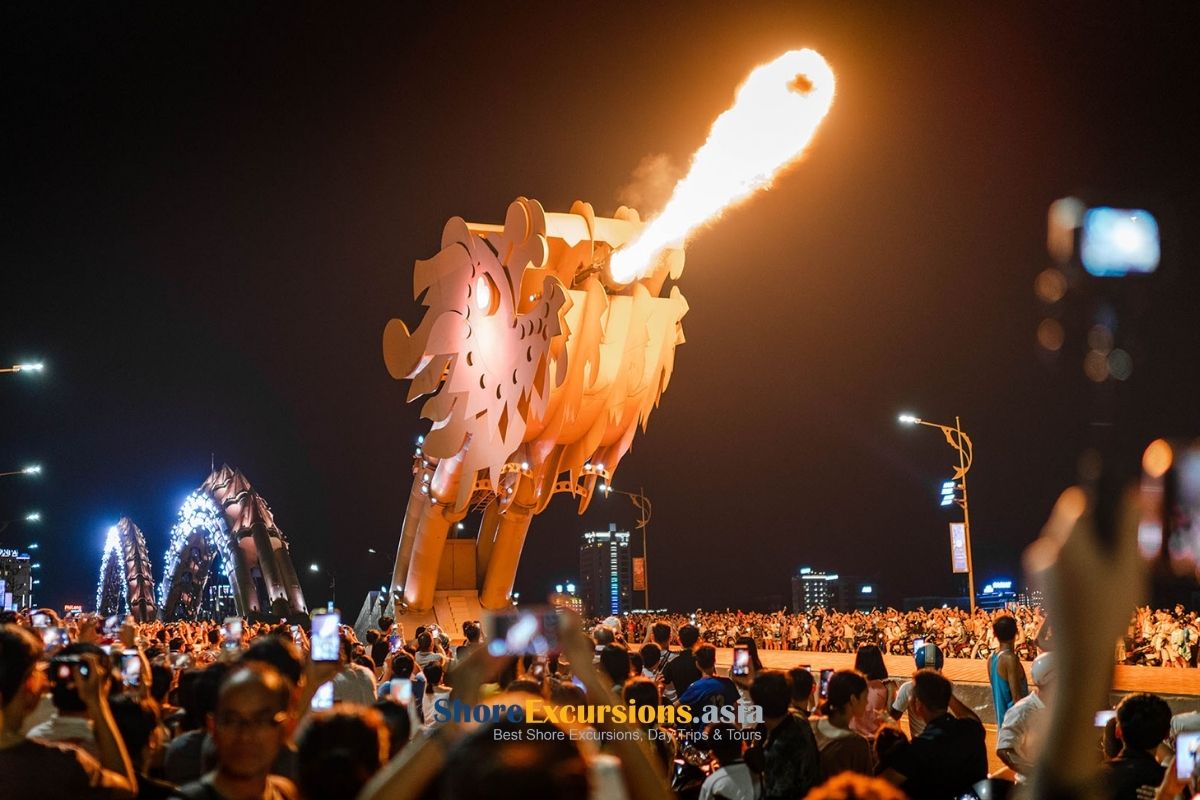
Dragon Bridge is one of Da Nang’s most recognizable landmarks. The Dragon Bridge spans 666 meters across the Han River, modeled directly after a majestic golden dragon from the Ly Dynasty. Every weekend evening, the bridge comes alive with fire and water performances that attract both locals and visitors.
Every Friday, Saturday, and Sunday night at exactly 9:00 PM, traffic is halted across the bridge. The golden dragon then puts on an incredible show, breathing massive bursts of real fire for several minutes followed by a powerful water-spraying finale. Arriving early allows you to secure a good viewing position along the Han River waterfront.
6. Visit the Da Nang Museum of Cham Sculpture
For history enthusiasts, this beautiful, French-colonial terracotta building in the heart of downtown is an essential cultural stop. Founded in 1915, it houses the world’s largest and most comprehensive collection of architectural and spiritual relics from the ancient Kingdom of Champa. Here, visitors can admire intricate sandstone reliefs, statues of Hindu deities like Shiva and Vishnu, and beautifully preserved altars dating from the 7th to the 15th centuries.
7. Explore the Han River Waterfront
The Han River splits Da Nang neatly down the middle into the downtown commercial district and the eastern beach district. The city has transformed both riverbanks into clean, beautifully illuminated public parks.
As night falls, the riverfront comes alive. The city’s famous bridges light up in shifting neon colors. Booking a 45-minute evening riverboat cruise is a highly affordable, relaxing way to enjoy the illuminated skyline while sipping on a local drink.
8. Experience Da Nang’s Local Markets
To experience the authentic daily rhythm of the city and sample regional specialties at rock-bottom prices, dive into the bustling local marketplaces. There are some significant local markets for visitors to experience:
- Han Market: Highly popular with tourists for fruits, local beans, Ao Dai,….
- Con Market: Considered the ultimate culinary playground for locals
9. Best Day Trips from Da Nang
As any comprehensive Da Nang travel guide will highlight, you can easily access an array of rich historical sites, ancient kingdoms, and breathtaking mountain passes within just a few hours’ drive. Here is a complete summary of the best day excursions you can make, creating the perfect addition to your regional exploration:
| Destination | Why Visit | Top Highlights | Quick Travel Tip |
| Hoi An Ancient Town | UNESCO trading port with unique blends of local, Japanese, and Chinese architecture. |
|
Distance: 30 km (45 mins) |
| Hue Imperial City | Feudal capital of the Nguyen Dynasty, rich in royal history and spicy imperial cuisine. |
|
Distance: 100 km (2.5 – 3 hours) |
| My Son Sanctuary | UNESCO-listed valley featuring ancient, mortarless red-brick Hindu tower ruins. |
|
Distance: 70 km (1.5 hours) |
| Hai Van Pass | One of the world’s most spectacular and dramatic mountain-to-sea coastal roads. |
|
Distance: 25 km north |
Where to Stay in Da Nang?
Whether you want to wake up to ocean waves or step out directly into a bustling food street, this Da Nang travel guide breaks down the top areas to base yourself.
| Neighborhood | Best For | Accommodation Types |
| My Khe Beach Area |
|
|
| Hai Chau District (City Center) |
|
|
| Son Tra Area |
|
|
| Near the Cruise Port (Tien Sa) |
|
|
Da Nang Travel Guide: What to Eat
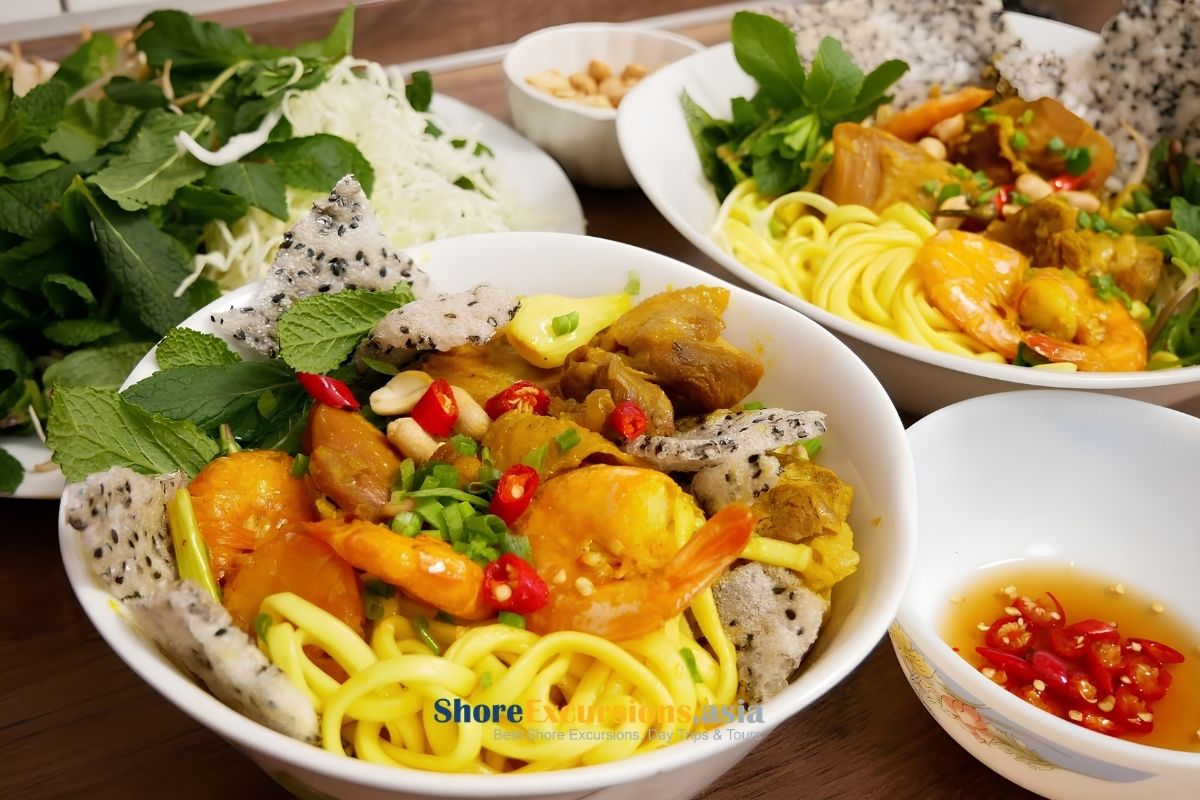
Da Nang is one of the best places in Central Vietnam to explore local cuisine. As highlighted in this Da Nang travel guide, the city’s food scene combines fresh seafood, regional noodle dishes, and a vibrant café culture.
- Mi Quang: Da Nang’s signature noodle dish, made with turmeric-infused noodles, fresh herbs, peanuts, and a small amount of rich, flavorful broth.
- Bun Cha Ca: A popular fish cake noodle soup featuring a light yet savory broth and freshly made fish cakes.
- Fresh Seafood: Thanks to its coastal location, Da Nang offers an abundance of seafood, including grilled squid, shrimp, crab, lobster, clams, and oysters.
- Banh Xeo: Crispy Vietnamese savory pancakes filled with shrimp, pork, and bean sprouts, typically served with fresh herbs and dipping sauce.
- Vietnamese Coffee: Local cafés serve a variety of traditional drinks, including Vietnamese iced coffee, egg coffee, and coconut coffee. Relaxing at a café and watching daily life unfold is a favorite experience for many visitors.
Essential Da Nang Travel Tips for First-time Visitors
Heading to Central Vietnam for the first time can be an incredibly smooth experience if you know what to expect before you land. To ensure your trip is seamless, stress-free, and full of great memories, we have compiled the ultimate list of Da Nang travel tips to help you navigate the city like a seasoned pro.
- Currency & Payments: The local currency is the Vietnamese Dong (VND). While cards are accepted at major hotels and cafes, keep cash handy for street food and traditional markets.
- Internet & SIM Cards: Pick up a high-speed 4G tourist SIM card right at the Da Nang Airport arrival terminal. Viettel and Vinaphone offer the most reliable coverage across the region.
- Language & Communication: English is widely spoken in resort areas and modern restaurants. For authentic local markets and street stalls, download Google Translate for smooth communication.
- Safety & Transport: Da Nang is exceptionally safe with low petty crime rates. To ensure fair, transparent pricing, use the Grab app instead of hailing random street taxis.
- Temple Etiquette: Dress modestly when visiting sacred sites like the Marble Mountains or Lady Buddha. Ensure your shoulders and knees are covered, and remove shoes where requested.
- Beach Safety: Never swim outside the designated safe zones marked by red-and-yellow flags on My Khe Beach. Strong rip currents can occur outside these patrolled areas.
- Packing Essentials: Bring lightweight, breathable clothes for the heat, and sturdy shoes for climbing mountain caves. Don’t forget high-SPF sunscreen and a compact umbrella.
- Pacing Your Trip: Avoid the mistake of rushing through the city in one day. Use Da Nang as a relaxed, central basecamp for exploring Hoi An, Hue, and nearby heritage sites.
This Da Nang travel guide highlights why the city continues to grow in popularity among international visitors. Beautiful beaches, cultural attractions, mountain scenery, excellent food, and convenient access to Central Vietnam’s most famous destinations create an experience that appeals to nearly every type of traveler.


 Contact Us via Messenger
 Send Inquiry
The attraction list shows why a single transport plan does not fit every Da Nang day. Cruise guests are usually better with a driver, while experienced independent travellers can compare local scooter hire. Riders should confirm licence, insurance, helmet and return timing before pickup.