

Vietnam in November can be an excellent time to travel, but there is one important detail to understand before booking your trip: Vietnam does not have the same weather everywhere in November.
Northern Vietnam is generally cooler and considerably drier, making Hanoi, Ninh Binh and Ha Long Bay attractive choices for sightseeing and outdoor activities. Central Vietnam is much wetter, particularly around Hue and Da Nang, where November falls within the region’s rainy season. Further south, temperatures remain warm, while rainfall generally decreases as the dry season gets underway.
For travelers, this means November can offer some of the best conditions of the year in certain parts of Vietnam, while other destinations require more flexibility. If you choose your route according to regional weather rather than treating Vietnam as one climate zone, November can be a rewarding month for food, culture, nature and sightseeing.
Is November a Good Time to Visit Vietnam?
Yes, November can be a very good time to visit Vietnam, especially if you focus on Northern or Southern Vietnam. The main caveat is Central Vietnam, where heavy rain can still affect travel plans.
The contrast is particularly clear in long-term climate data:
- Hanoi averages about 22°C (72°F) in November, with around 48 – 60 mm of rainfall.
- Ho Chi Minh City remains much warmer at around 27°C (81°F) with roughly 110 – 140 mm of rainfall depending on the climate dataset used.
- Hue, by comparison, averages around 24°C (75°F) but receives approximately 720 mm of November rainfall in the JMA climate normals.
Why You Should Visit Vietnam in November?

There are several good reasons to consider a November trip to Vietnam.
- Northern Vietnam becomes cooler and drier. Hanoi’s November climate is much more comfortable for walking tours than the hot and humid summer months.
- Southern Vietnam is moving toward its dry season. Ho Chi Minh City remains hot, but November rainfall is substantially lower than during the peak wet-season months.
- Outdoor sightseeing is attractive in the north. Ninh Binh, Ha Long Bay and mountain destinations can be easier to explore without the intense summer heat.
- Vietnam’s food and cultural experiences work year-round. Even when rain affects outdoor plans, museums, historic sites, cooking experiences, markets and restaurants provide alternatives.
- You can tailor your itinerary to the climate. A November trip does not have to cover the entire country. Choosing two regions with favorable conditions can be more enjoyable than rushing through all three.
What Are the Downsides of Visiting Vietnam in November?
The biggest drawback is regional weather variation. Central Vietnam can experience substantial rainfall in November. JMA climate normals show average November precipitation of about 721 mm in Hue and 471 mm in Da Nang, compared with just 48 mm in Hanoi.
This can affect:
- Beach days
- Island tours
- Boat trips
- Cycling and trekking
- Transfers between destinations
- Cruise and other weather-dependent activities
Heavy rain can also create temporary flooding in low-lying areas, particularly around parts of Central Vietnam. Therefore, travelers planning to visit Hue, Hoi An or Da Nang in November should keep their itinerary flexible and check short-term forecasts before traveling.
Vietnam in November at a Glance
| Region | Typical November Weather | Approx. Average Temperature | Rainfall Pattern | Travel Suitability |
|---|---|---|---|---|
| Northern Vietnam | Cool to mild, relatively dry | ~22°C in Hanoi | Low | Excellent |
| Central Vietnam | Mild to warm, very wet in many areas | ~24 – 25°C | High | Mixed |
| Southern Vietnam | Hot and humid, increasingly dry | ~27°C in Ho Chi Minh City | Decreasing | Very good |
These figures are climate normals rather than forecasts. Actual conditions can vary considerably from one year to another.
Vietnam Weather in November
Vietnam’s long north-to-south geography creates three distinct weather patterns in November. This is one of the most important factors to consider when planning a Vietnam itinerary.
Northern Vietnam in November
Northern Vietnam is generally one of the most attractive parts of the country in November. Days can be comfortable for walking, while evenings may feel cool, particularly toward the end of the month.
Hanoi in November

Hanoi is one of the strongest choices for a November trip. The city’s average November temperature is around 22°C, while rainfall is relatively low compared with the summer months.
The cooler conditions are particularly useful for exploring Hanoi on foot. Rather than trying to see every attraction, travelers can build a balanced itinerary around places such as The Old Quarter, Hoan Kiem Lake, The Temple of Literature,….
November is also a good time to experience Hanoi’s everyday street life without the intense heat associated with summer.
Sapa in November
Sapa is considerably cooler than Hanoi because of its elevation. November can be a good period for travelers interested in mountain scenery, village walks, trekking, local culture and photography.
However, conditions in the mountains can change quickly. Temperatures can feel considerably colder than in Hanoi, particularly in the morning and evening, so travelers should bring layers rather than relying on lightweight tropical clothing.
Ha Long Bay in November

November is generally a favorable month for visiting Ha Long Bay from a temperature and rainfall perspective. For cruise travelers, Halong Bay shore excursions is also common. Climate data for Ha Long indicate average November highs around 25°C, lows around 19°C, and roughly 50–60 mm of monthly rainfall, depending on the dataset.
The cooler conditions are comfortable for cruising, sightseeing and exploring the bay’s limestone landscapes. However, cruises remain weather-dependent. Strong winds or severe weather can result in route changes or cancellations, so travelers should avoid planning a tightly connected itinerary immediately after a cruise.
Central Vietnam in November
Central Vietnam requires the most caution when planning a November trip. Rainfall increases sharply from September onward in many parts of the central coast. This does not mean it rains continuously every day. You can still experience sunny periods and enjoy cultural attractions. However, the probability of heavy rain is high enough that travelers should not plan November in Central Vietnam as if it were a dry-season beach holiday.
Hue in November
Hue is relatively cool by Vietnamese standards in November, with a JMA normal mean temperature of about 23.8°C. The challenge is rainfall: the same dataset records around 721 mm of precipitation for the month.
For this reason, Hue is better suited to travelers who are interested in history, Royal heritage, Vietnamese cuisine, museums and cultural experiences. A weather-conscious itinerary could combine visits to the Imperial City and museums with indoor food experiences and flexible sightseeing rather than scheduling every activity outdoors.
Hoi An in November
Hoi An can be beautiful in November, but weather should be taken seriously. The town is located in one of Central Vietnam’s wetter areas, and heavy rainfall can contribute to temporary flooding in low-lying parts of the historic town. Therefore, travelers should avoid booking a packed schedule of outdoor activities without backup options.
The advantage is that Hoi An’s appeal is not limited to sunny weather. Visitors can still enjoy the ancient town without crowd. However, if your main goal is guaranteed beach weather, November is not the strongest month to choose Hoi An.
Da Nang in November

Da Nang remains warm in November, with a JMA climate normal of approximately 24.9°C and about 471 mm of rainfall for the month. The city’s combination of beaches, restaurants, museums and access to Hoi An and Hue makes it a useful base, but travelers should not assume that November offers consistent beach weather.
Nha Trang in November
Nha Trang is warmer than Hue and Da Nang, with a November mean temperature of around 26.2°C. However, JMA climate normals show approximately 432 mm of rainfall during the month.
This makes November less reliable for travelers whose primary objective is a beach or island holiday. If you are planning snorkeling, diving or island-hopping, check sea and weather conditions close to the travel date rather than assuming that warm temperatures guarantee suitable conditions.
Southern Vietnam in November
Southern Vietnam is generally more promising in November. The weather remains tropical, so visitors should still expect heat and humidity. However, the shift toward the dry season makes November increasingly attractive for city sightseeing and outdoor excursions.
Ho Chi Minh City in November
Ho Chi Minh City is a good choice for travelers who want a combination of history, food, shopping, architecture, nightlife and day trips. Visitors can explore the War Remnants Museum, Independence Palace, Ben Thanh Market and Chinatown in Cho Lon, while also enjoying Vietnamese coffee and joining street food tours to experience the city’s vibrant culinary culture.
Rain can still occur in November, but short showers are generally easier to work around than the prolonged heavy rainfall that can affect parts of Central Vietnam. Travelers can plan indoor attractions, cafés, museums and shopping during wet periods, then enjoy outdoor sightseeing and day trips when the weather improves.
Mekong Delta in November

The Mekong Delta is another strong option for a November itinerary in Vietnam. This month offers travelers a chance to experience a very different side of Vietnam through river-based excursions, boat trips along small waterways and canals, visits to local markets and rural villages, fruit gardens, traditional food, and countryside cycling.
Because many activities take place outdoors, it is still worth checking the forecast. However, the generally improving weather in Southern Vietnam makes November a practical period for exploring the region.
Phu Quoc in November
Phu Quoc is one of the more interesting beach options for November. JMA climate normals show a mean November temperature of around 27.8°C and approximately 180 mm of rainfall, compared with more than 300–500 mm in several of the preceding wet-season months.
This means November is a transition period rather than a guarantee of uninterrupted sunshine. Rain is still possible, particularly earlier in the month, but conditions generally become more favorable as November progresses.
Best Places to Visit in Vietnam in November
The best destination to visit in Vietnam in November depends on what you want from your trip.
| Destination | Why Visit in November | Best For |
| Hanoi | Cool, relatively dry weather and excellent food | First-time visitors |
| Sapa | Mountain scenery and trekking | Nature and adventure |
| Ha Long Bay | Mild temperatures and relatively low rainfall | Cruises and couples |
| Ninh Binh | Comfortable outdoor sightseeing | Nature and photography |
| Hue | Heritage, architecture and cuisine | Culture lovers |
| Hoi An | Historic atmosphere and food | Couples and culture |
| Ho Chi Minh City | History, food and urban experiences | City breaks |
| Mekong Delta | River life and rural experiences | Slow travel |
| Phu Quoc | Warmer weather and improving beach conditions | Beach holidays |
Best Things to Do in Vietnam in November
Vietnam in November offers a wide range of experiences, from exploring the cooler landscapes and cultural attractions of the north to enjoying the warmer weather and improving beach conditions in the south. Since the weather varies significantly by region, the best activities depend on where you travel. Here are some of the most rewarding things to do in Vietnam in November.
Explore Vietnam’s Food Scene
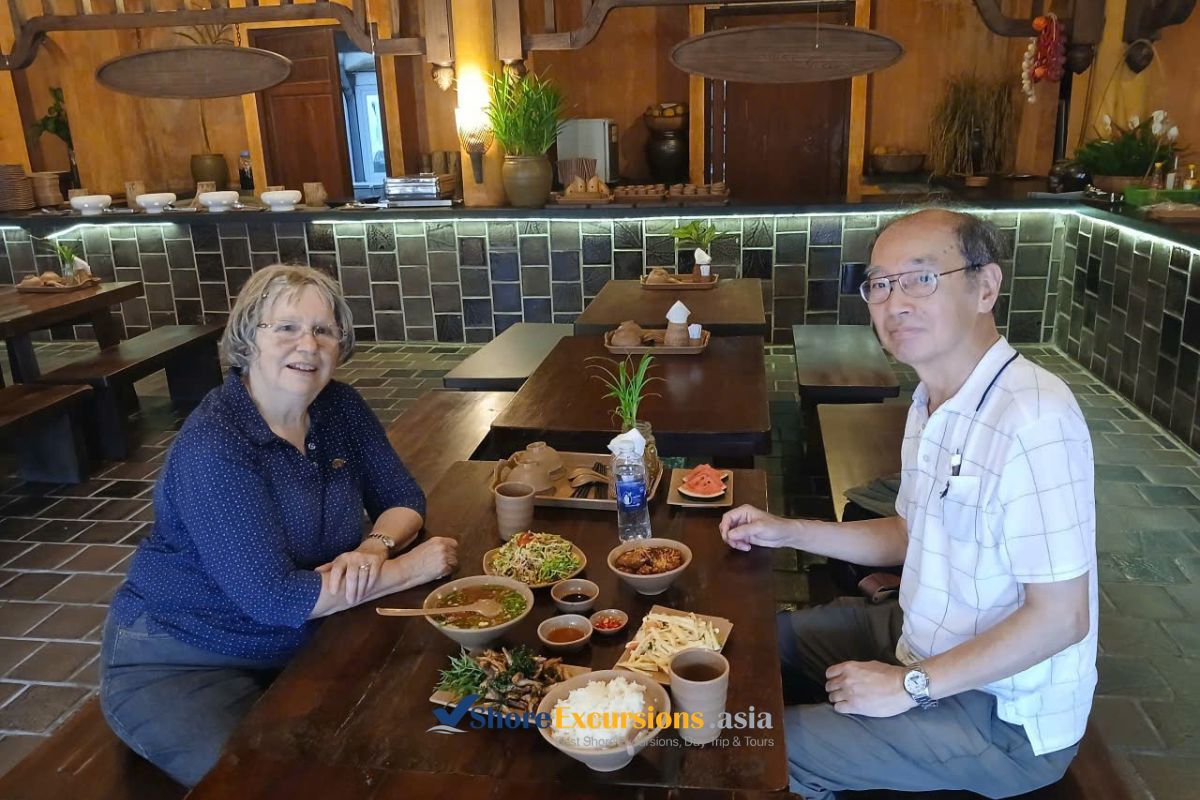
November is a good month to build food experiences into your itinerary because they are not dependent on perfect weather. Try regional specialties in different parts of the country:
- Hanoi street food
- Northern Vietnamese noodles and grilled dishes
- Hue’s distinctive royal and local cuisine
- Hoi An specialties
- Southern Vietnamese dishes
- Vietnamese coffee and desserts
Food tours are also useful on rainy days because they allow you to experience the destination without relying entirely on outdoor sightseeing.
Go Trekking in Northern Vietnam
November’s cooler conditions can make Northern Vietnam particularly attractive for trekking. Sapa and Ha Giang are the main choices for mountain scenery, villages and cultural experiences.
However, travelers should avoid assuming that photographs of bright green rice terraces represent November conditions. Rice landscapes change significantly with the agricultural calendar, and the scenery can look very different from the peak growing season.
Take a Cruise in Ha Long Bay
An overnight cruise is one of the classic Northern Vietnam experiences, offering travelers the chance to admire Ha Long Bay’s limestone islands and coastal scenery at a relaxed pace. Depending on the cruise route and weather, activities may include visiting caves, kayaking, stopping at islands, watching the sunrise and sunset, and joining Vietnamese cooking demonstrations.
Because cruise operations can be affected by wind, rain and maritime conditions, travelers should build some flexibility into their schedules. It is also wise to avoid arranging a tightly connected activity immediately after the cruise, as routes, departure times or itineraries may change due to weather.
Explore Vietnam’s UNESCO Heritage
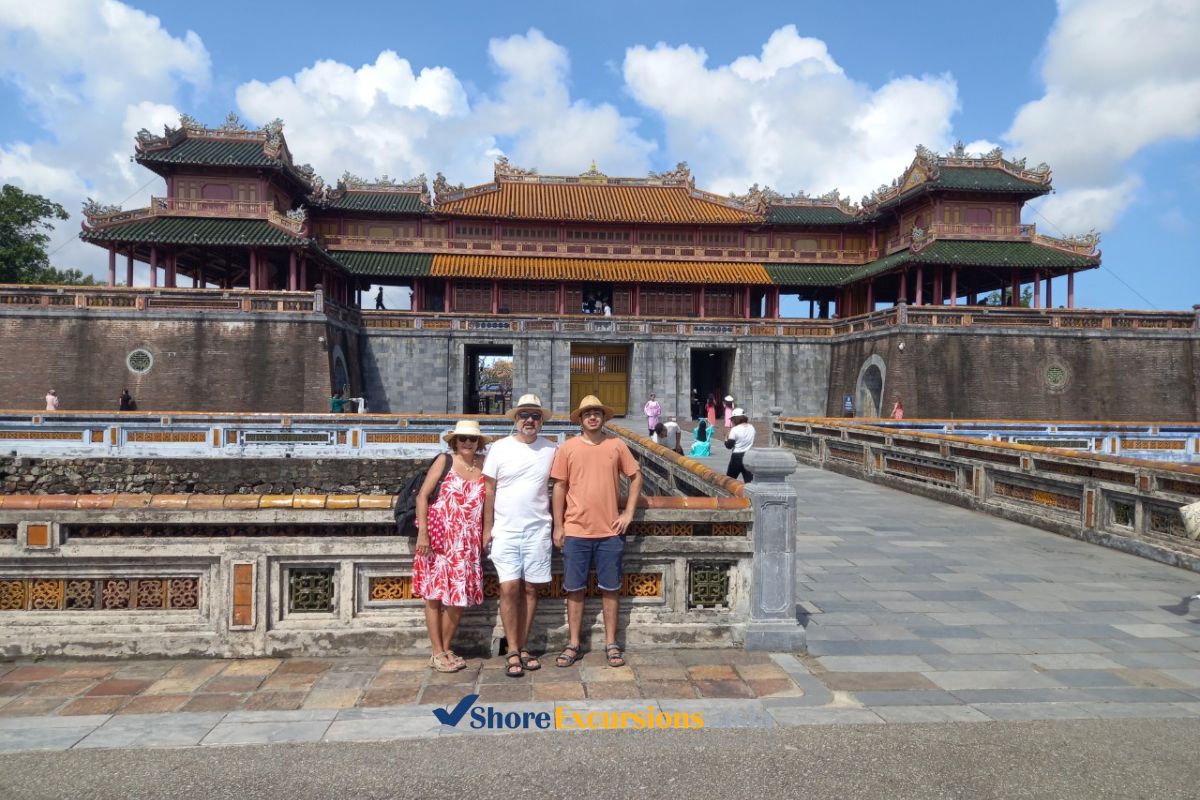
November can be a particularly good month for travelers interested in Vietnam’s heritage. The country currently has nine properties inscribed on the UNESCO World Heritage List, including:
- Ha Long Bay – Cat Ba Archipelago
- Complex of Hue Monuments
- Hoi An Ancient Town
- Trang An Landscape Complex
- Central Sector of the Imperial Citadel of Thang Long in Hanoi
These destinations also demonstrate why Vietnam is better understood as a combination of distinct regions rather than a single climate zone.
Enjoy Vietnam’s Beaches
November requires more careful beach planning than some other months. Southern destinations such as Phu Quoc are generally more promising, particularly toward the later part of November. Central destinations such as Da Nang, Hoi An and Nha Trang are less predictable, with substantial November rainfall in their respective climate normals.
If beaches are the main reason for your trip, consider prioritizing Southern Vietnam rather than building your entire itinerary around Central Vietnam’s coast.
What to Pack for Vietnam in November
Packing for Vietnam in November depends largely on which regions you plan to visit.
Northern Vietnam:
- Lightweight jacket
- Long trousers
- T-shirts and light layers
- Comfortable walking shoes
- Light rain jacket
- Warmer layer for mountainous destinations
- For Sapa or other highland areas, bring additional warm clothing.
Central Vietnam:
- Quick-dry clothing
- Lightweight rain jacket
- Compact umbrella
- Waterproof bag
- Waterproof phone protection
- Comfortable shoes that can handle wet conditions
Southern Vietnam:
- Breathable shirts
- Shorts or lightweight trousers
- Sandals or comfortable walking shoes
- Sun protection
- Light rain jacket
Other Essentials:
- Sunscreen
- Insect repellent
- Reusable water bottle
- Universal travel adapter
- Personal medication
- Portable power bank
- Waterproof phone pouch
What to Wear when Visiting Vietnam in November?

Your clothing should follow the region rather than the calendar:
- Northern Vietnam: Use layers. A T-shirt may be comfortable during the day, while a light jacket can be useful in the evening.
- Central Vietnam: Choose breathable clothing combined with reliable rain protection.
- Southern Vietnam: Lightweight, breathable clothing is generally appropriate because temperatures remain warm.
- Visiting Temples and Religious Sites: Pack at least one outfit that is respectful and relatively modest. When visiting temples, pagodas or other religious sites, covering the shoulders and knees is generally a sensible choice.
Vietnam Travel Costs in November
November does not have one nationwide price level. Accommodation, transportation and tours vary considerably by destination and travel style.
| Expense | Budget Traveler | Mid-Range Traveler | Luxury Traveler |
| Accommodation | $ | $$ | $$$ |
| Food | $ | $$ | $$$ |
| Transportation | $ | $$ | $$$ |
| Tours | $ | $$ | $$$ |
| Activities | $ | $$ | $$$ |
Instead of assuming that November automatically means either peak-season or low-season prices, compare prices for your specific destination and travel dates. Popular experiences such as Ha Long Bay cruises, well-reviewed hotels and domestic flights can sell out during busy periods, so booking ahead is sensible when your itinerary is fixed.
Travel Tips for Vietnam in November
Planning a trip to Vietnam in November is easier when you prepare for regional weather differences, book key experiences early and leave enough flexibility in your schedule. Keep these practical tips in mind:
- Check the weather for your specific destination: Do not search only for “Vietnam weather in November.” Look up the forecast for each city or region on your itinerary, as conditions can differ considerably between Northern, Central and Southern Vietnam.
- Keep your itinerary flexible: This is especially important if you plan to visit Central Vietnam, take a cruise, join an island tour, go trekking or participate in other outdoor activities. Leave room to move activities between days if rain or unfavorable conditions affect your original plans.
- Book popular experiences in advance: Once your travel dates are confirmed, consider reserving Ha Long Bay cruises, hotels, domestic flights, popular excursions and limited-capacity activities. Booking ahead is particularly useful for families and travelers with tightly scheduled itineraries.
- Prepare for different temperatures: A North-to-South itinerary can involve several climate zones. You may need a light jacket in Hanoi, warmer clothing for the mountains around Sapa and lightweight tropical clothing in Ho Chi Minh City or Phu Quoc.
- Allow extra travel time: Avoid scheduling transfers with no buffer. Traffic, rain, airport delays and weather-related changes can affect travel times, especially when your itinerary includes multiple destinations.
Vietnam in November FAQs
Is November a good month to visit Vietnam?
Yes. November is particularly attractive for Northern and Southern Vietnam, where conditions are generally more favorable than in Central Vietnam. The best itinerary depends on your priorities. Choose Northern Vietnam for cooler weather and outdoor sightseeing, or Southern Vietnam for warmer conditions and improving beach weather.
Is Vietnam rainy in November?
Not everywhere. Northern Vietnam is relatively dry, while Central Vietnam can receive substantial rainfall. Southern Vietnam is transitioning toward its dry season, although rain remains possible.
Is November a good time for a Vietnam beach holiday?
It depends on the beach destination. Phu Quoc and other Southern destinations are generally more promising as the dry season develops. Central Vietnam, including Da Nang, Hoi An and Nha Trang, can be much wetter in November.
The key is not to ask simply, “Is Vietnam good in November?” Instead, ask “Which part of Vietnam has the weather and experiences I want in November?” In short, Vietnam in November can be a highly rewarding trip when your itinerary follows the country’s regional climate rather than treating Vietnam as one destination with one type of weather.


 Send Inquiry