
Spring in Vietnam is a wonderful time to explore this beautiful country, offering vibrant landscapes, rich cultural traditions, and plenty of opportunities for outdoor adventures. The country begins to show different seasonal characteristics across its regions, with misty mountains in the north, pleasant sightseeing conditions in parts of central Vietnam, and warm, tropical days in the south.
Travelers can enjoy blooming flowers, discover historic towns, sample traditional Vietnamese dishes, and experience the excitement of Lunar New Year if their trip coincides with the holiday. Understanding the local climate and seasonal events can help you choose the right destinations and plan a more enjoyable journey.
This guide from Vietnam Shore Excursions covers the best places to visit, regional weather conditions, cultural experiences, and practical advice for planning your trip.
When Is Spring in Vietnam?
The spring season in Vietnam is commonly associated with March, April, and May when using the traditional four-season calendar. However, January and February are also widely connected with spring travel because they coincide with the Lunar New Year, or Tet, and the arrival of the new agricultural year.
Vietnam’s tropical and subtropical climate means that spring does not feel the same everywhere. Northern destinations gradually become warmer after winter, central Vietnam experiences changing temperatures and rainfall, and the south remains warm throughout the season.
March and April are often convenient months for travelers who want to explore several regions. February may be especially appealing to those interested in Tet traditions, although holiday closures and high demand for transportation can affect travel plans.
Vietnam in Spring Weather: What to Expect
The Vietnam in spring weather varies considerably by region. Before choosing your destinations, consider the local climate, planned activities, and the possibility of rain or temperature changes.
Northern Vietnam
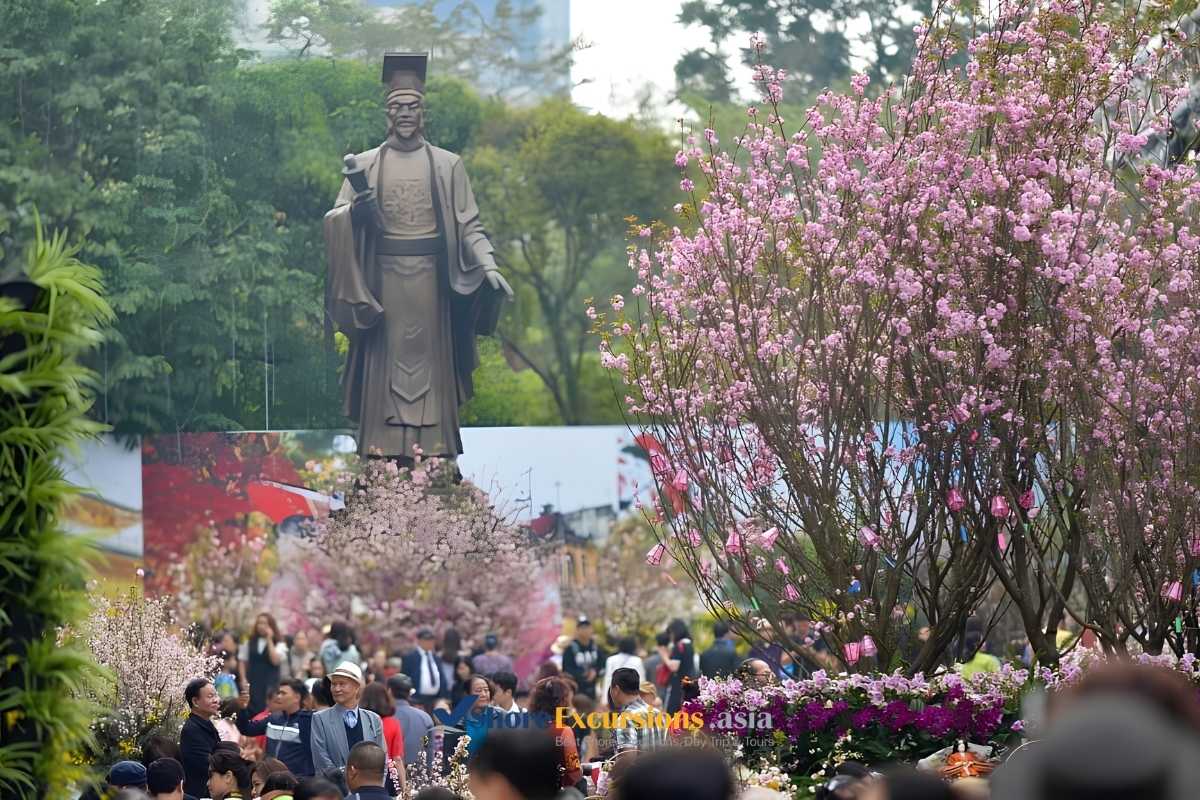
Northern Vietnam gradually warms up during spring. Hanoi may experience cool mornings, humid afternoons, and occasional drizzle, particularly earlier in the season. Mountain destinations such as Sapa and Ha Giang can remain much colder, with mist affecting visibility.
Spring is an appealing time to explore Hanoi’s historic streets, take boat trips through Ninh Binh’s limestone landscapes, and visit northern villages. Peach and plum blossoms may appear in mountainous areas, depending on elevation and yearly weather conditions.
Pack lightweight layers, a waterproof jacket, and comfortable walking shoes. If you plan to trek in the mountains, check local forecasts before departure.
Central Vietnam
An can offer rewarding sightseeing opportunities, although rainfall and temperatures differ between coastal areas and inland locations. Visitors can explore imperial monuments in Hue, wander through Hoi An’s historic streets, or enjoy scenic drives along the coast. Beach activities become more attractive when the sea is calm and local weather conditions are favorable.
Southern Vietnam
Southern Vietnam remains warm during spring, with hot afternoons becoming increasingly common in March and April. The dry season generally continues through much of this period, although showers become more likely in some locations toward May.
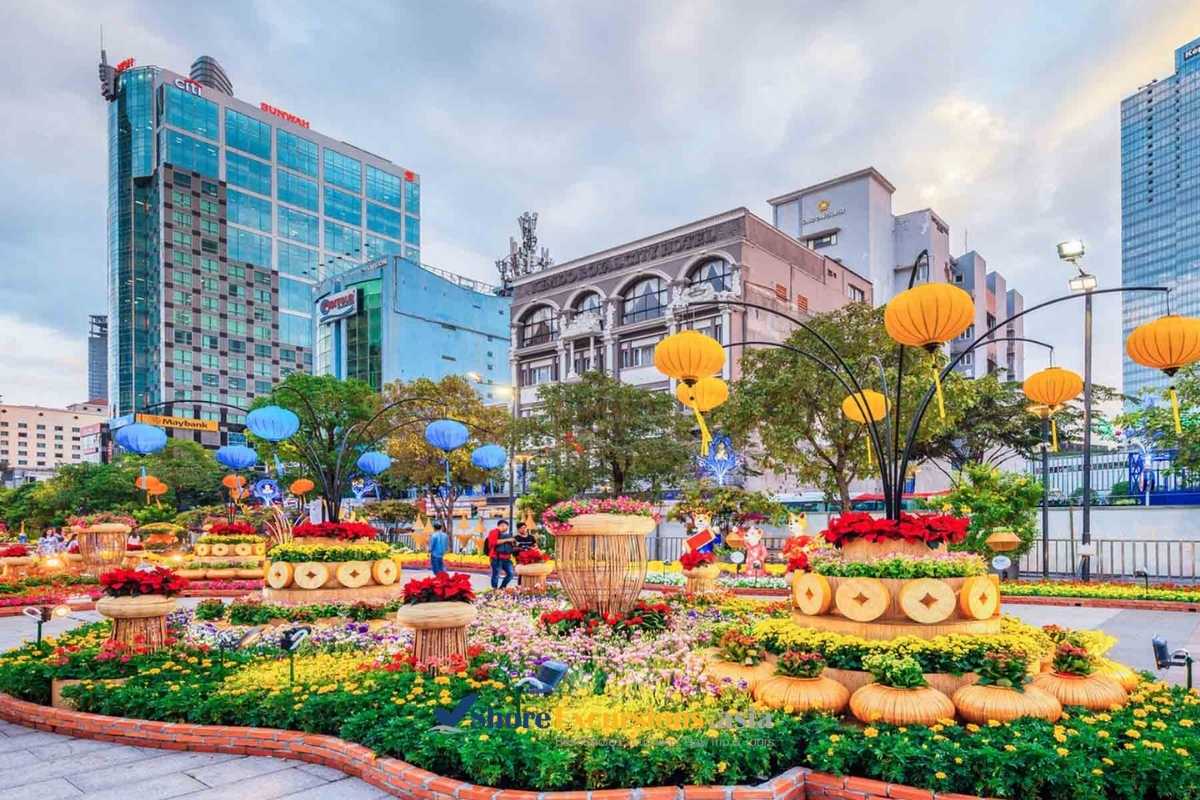
Ho Chi Minh City is ideal for travelers interested in food, architecture, museums, and urban culture. The Mekong Delta offers a different experience, with waterways, orchards, and traditional riverside communities. Phu Quoc is another appealing option for beach holidays when sea conditions cooperate.
Bring breathable clothing, sunscreen, a hat, and a reusable water bottle. Plan outdoor sightseeing for the morning or late afternoon to avoid the strongest midday heat.
Vietnam in Spring Temperature
The Vietnam in spring temperature depends on the destination and the month of your visit. The following figures are approximate daytime ranges intended for general planning, rather than daily forecasts.
| Region | Approximate daytime temperatures | Typical conditions |
|---|---|---|
| Northern Vietnam | 18 – 28°C (64 – 82°F) | Mild to warm, sometimes misty or drizzly |
| Central Vietnam | 23 – 32°C (73 – 90°F) | Generally warming, with regional rainfall variations |
| Southern Vietnam | 30 – 35°C (86 – 95°F) | Hot and sunny, with increasing shower chances later in spring |
Mountainous areas can be significantly cooler than nearby lowlands. Coastal destinations may also feel different because of sea breezes and humidity. Check a reliable local forecast shortly before traveling, particularly if your itinerary includes hiking or marine activities.
Best Places to Visit in Vietnam in Spring Recommeded by Travelers
Vietnam offers a wide range of destinations during spring. Your best choices depend on whether you prefer cultural sightseeing, nature, local festivals, or a relaxing beach holiday.
1. Hanoi: Experience Traditional Vietnamese Culture
Hanoi combines historic architecture, bustling markets, traditional food, and peaceful lakeside scenery. Visitors can explore the Old Quarter, walk around Hoan Kiem Lake, visit the Temple of Literature, and stop at local cafés to sample Vietnamese coffee.
During the early spring period, flower markets and Tet decorations may bring a festive atmosphere to the city. Travelers should remember that some businesses and attractions adjust their opening hours during the Lunar New Year holiday.
2. Ninh Binh: Discover Limestone Landscapes
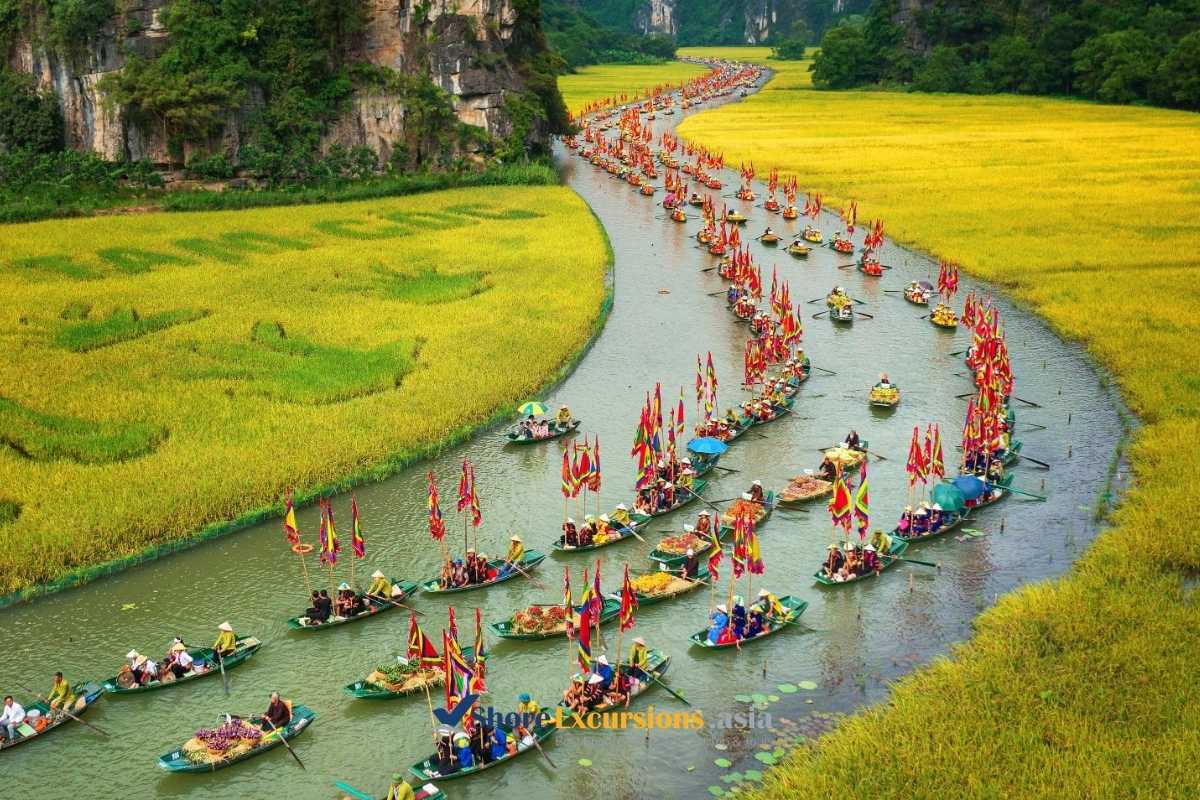
Ninh Binh is an excellent destination for travelers who appreciate nature and cultural heritage. Its dramatic limestone formations, winding rivers, and rural scenery create an appealing setting for a spring excursion.
A boat trip through Trang An or Tam Coc is a highlight, while Hang Mua offers panoramic views for visitors willing to climb its stone steps. Bai Dinh Pagoda is another notable stop for those interested in religious architecture.
3. Sapa and Ha Giang: Explore Northern Mountain Scenery
Sapa and Ha Giang appeal to travelers seeking mountain landscapes, village life, and outdoor adventure. Spring can bring peach blossoms, plum blossoms, and other seasonal flowers to parts of the northern highlands.
In Sapa, visitors can trek through valleys and learn about local communities. Ha Giang is known for its dramatic mountain passes, limestone plateaus, and distinctive regional cultures.
Weather conditions can change quickly in mountainous areas. Choose reputable transport providers, check road conditions, and avoid driving unfamiliar mountain routes without suitable experience.
4. Hoi An and Hue: Discover Central Vietnam’s Heritage
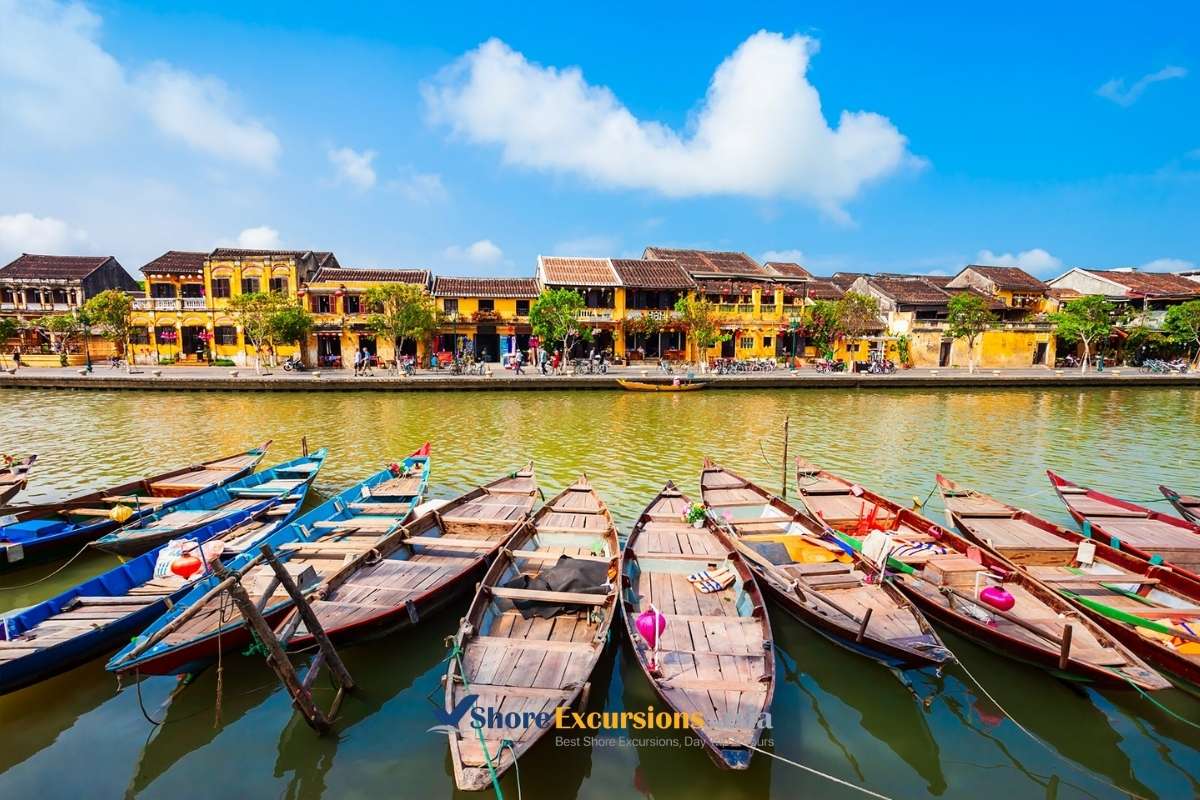
Hoi An is known for its preserved architecture, riverside setting, lantern-lit streets, and traditional crafts. Travelers can join a Vietnamese cooking class, visit nearby villages, or explore the old town on foot.
Hue offers a complementary cultural experience through the Imperial City, royal tombs, and Thien Mu Pagoda. Its historic sites provide insight into Vietnam’s imperial past.
Spring can be a good period for combining both destinations, especially when weather conditions allow comfortable walking and sightseeing. Allow enough time for each city rather than treating them as quick stops.
5. Da Lat: Enjoy Flowers and Highland Scenery
Da Lat offers a cooler alternative to Vietnam’s tropical lowlands. Pine forests, flower gardens, lakes, and hillside cafés make it popular with couples, families, and travelers looking for a relaxed pace.
Visitors can explore Xuan Huong Lake, visit local gardens, discover waterfalls, or enjoy the city’s café culture. Seasonal flowers add visual appeal, although exact blooming periods vary with the weather.
6. Ho Chi Minh City and the Mekong Delta
Ho Chi Minh City is a lively destination for food lovers and travelers interested in modern Vietnamese life. Popular experiences include visiting the War Remnants Museum, exploring historic architecture, browsing traditional markets, and sampling street food.
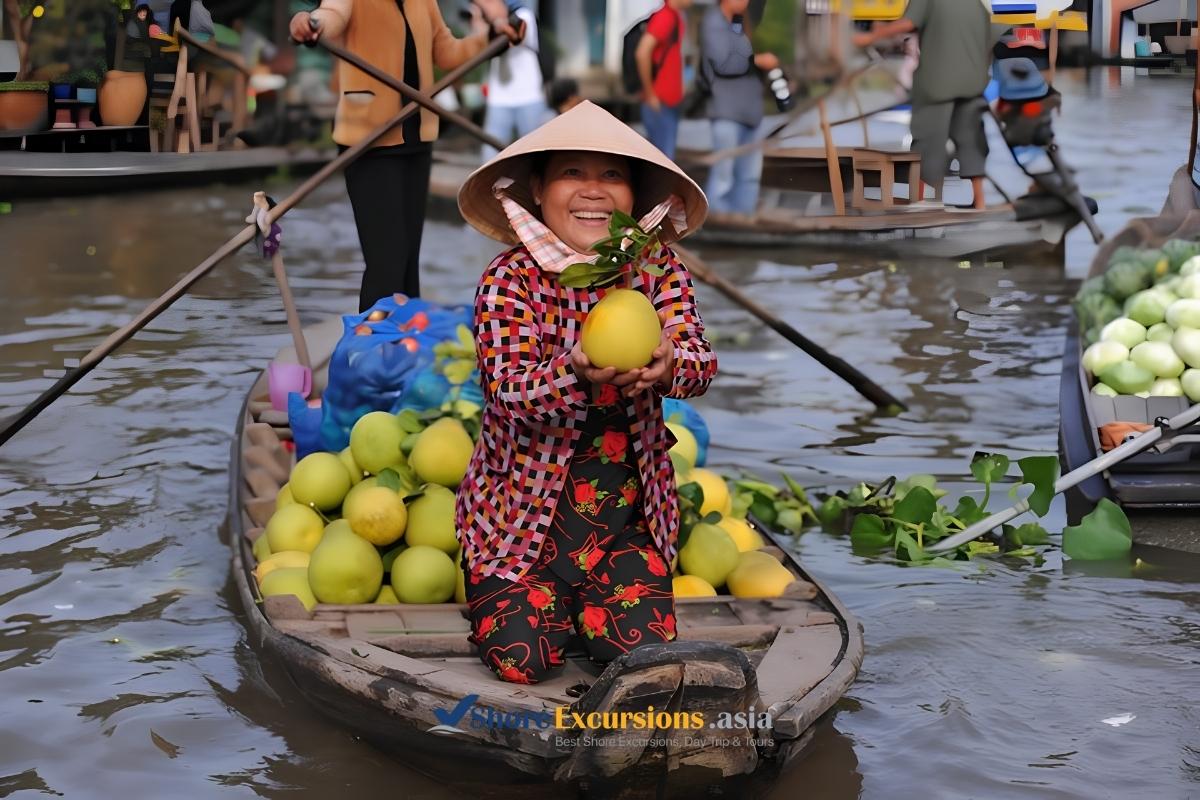
A trip to the Mekong Delta provides a slower pace. Visitors can travel by boat through waterways, explore local orchards, and taste regional specialties. If you want to visit a floating market, start early and confirm its current level of activity with a local operator.
7. Phu Quoc: Relax on Tropical Beaches

Phu Quoc is a popular choice for travelers seeking sandy beaches, island scenery, and marine activities. March and April often provide favorable conditions for beach holidays, although weather and sea conditions can vary.
Depending on local conditions, visitors can swim, take boat trips, snorkel, or enjoy fresh seafood. Reserve accommodation early during busy travel periods and check sea conditions before booking water-based excursions.
Top Things to Do in Vietnam in Spring
There are many things to do in Vietnam in spring, and the season is especially rewarding for travelers who want to combine outdoor activities with cultural discovery.
Celebrate Tet, the Vietnamese Lunar New Year
Tet is Vietnam’s most important annual holiday for many families. Streets and homes may be decorated with flowers, traditional foods are prepared for family gatherings, and people visit relatives or temples to welcome the new year.
Visitors can explore public flower displays, try seasonal dishes, and learn about local customs. However, Tet is also a major domestic travel period. Some restaurants, shops, and attractions may close temporarily, while transport services can become crowded. Check schedules and make reservations in advance.
Admire Spring Flowers
Flower viewing is a memorable seasonal activity in Vietnam. Peach and plum blossoms are associated with northern mountain areas, while Da Lat offers gardens and highland landscapes that appeal to flower enthusiasts.
The best viewing period changes according to altitude, temperature, and rainfall. Check recent local updates if seeing a particular flower is a priority for your trip.
Explore Nature and Outdoor Attractions
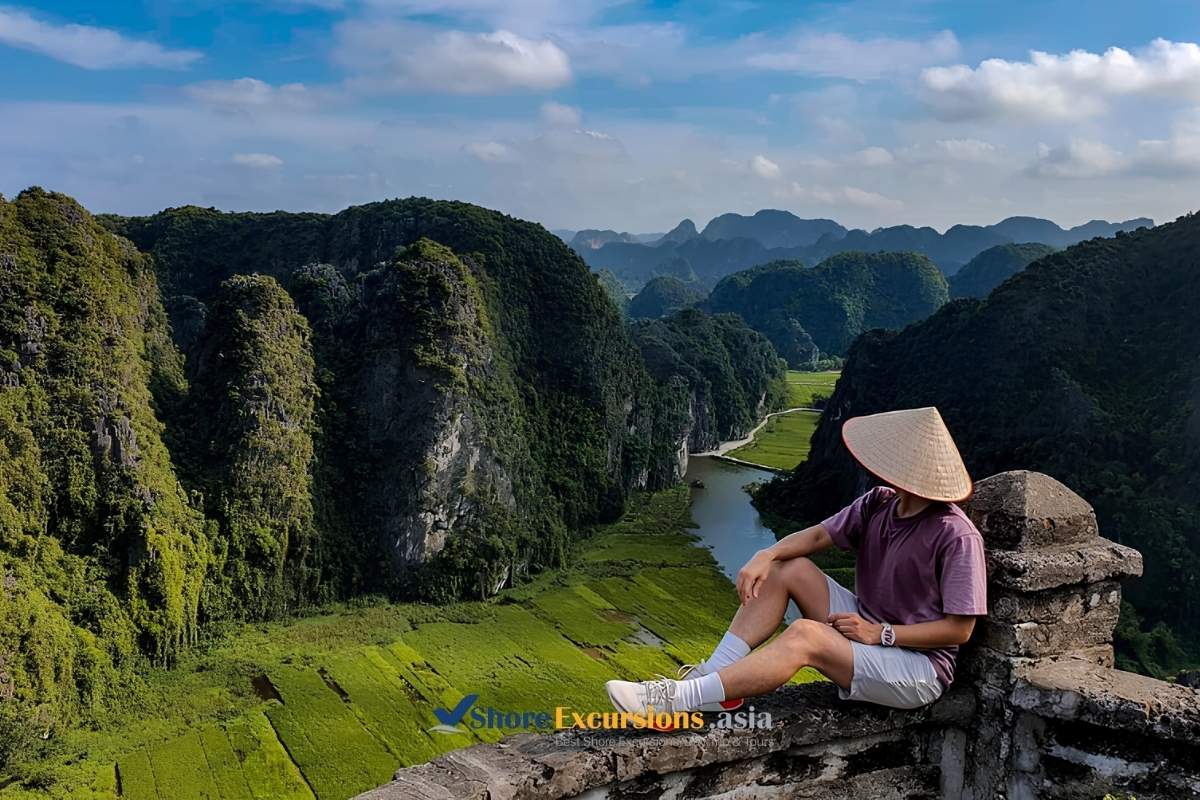
Spring is a good opportunity to explore national parks, limestone landscapes, and rural countryside when local conditions are suitable. Popular activities include trekking in northern Vietnam, cycling around rural villages, and taking boat trips through scenic waterways.
Choose activities that match your fitness level and allow extra time for changing weather. Guided excursions can be useful in remote areas or when local knowledge improves access to cultural and natural sites.
Experience Vietnamese Cuisine
Food is an essential part of a spring visit. During Tet, traditional dishes such as banh chung, a square sticky rice cake, and banh tet, a cylindrical sticky rice cake, are especially significant.
Travelers can also enjoy regional specialties throughout the season. Northern Vietnam is known for dishes such as pho and bun cha, central Vietnam offers mi Quang and bun bo Hue, and southern Vietnam is famous for hu tieu and com tam. Food tours and cooking classes offer practical ways to understand local ingredients, preparation methods, and dining customs.
Spring Festival in Vietnam & Cultural Events to Know
A spring festival in Vietnam often combines spiritual traditions, community gatherings, and seasonal celebrations. The dates of many events follow the lunar calendar, so check the schedule for your travel year.
- Tet Nguyen Dan (Lunar New Year): Tet marks the beginning of the Vietnamese lunar year and emphasizes family reunions, remembrance of ancestors, and hopes for good fortune. Public decorations and flower markets can be enjoyable for visitors, although private family celebrations should be approached respectfully.
- Perfume Pagoda Festival: The Perfume Pagoda complex near Hanoi attracts pilgrims during the early-year festival season. The journey may include a boat ride, walking trails, and visits to religious sites set among limestone hills.
- Yen Tu Spring Pilgrimage: Yen Tu, in northern Vietnam, is associated with Vietnamese Buddhist history and the Truc Lam Zen tradition. Visitors can explore temples, mountain scenery, and pilgrimage routes.
Practical Tips for Visiting Vietnam in Spring
A few simple preparations can make your trip more comfortable and help you avoid common seasonal challenges.
- Book early around Tet: Reserve flights, hotels, and intercity transport well in advance if your dates overlap with the holiday.
- Pack for regional differences: Bring layers for northern destinations and lightweight, breathable clothing for central and southern Vietnam.
- Check the forecast: Review local weather conditions before trekking, taking boat trips, or planning beach activities.
- Respect local customs: Dress appropriately at temples, follow photography rules, and ask permission before photographing people during private ceremonies.
- Allow flexibility: Avoid scheduling too many long-distance transfers, especially during public holidays or periods of poor weather.
Frequently Asked Questions About Spring in Vietnam
When is spring time in Vietnam?
Spring time in Vietnam usually refers to March through May in a four-season calendar. January and February are also associated with spring travel because of Tet and traditional seasonal celebrations.
Is March a good time to visit Vietnam?
March can be a convenient month for exploring several parts of Vietnam. Temperatures are generally warming, but conditions differ by region. Check local forecasts and choose destinations based on your preferred activities.
Is Vietnam crowded during spring?
Crowds depend on the destination and timing. Popular attractions and pilgrimage sites can be busy during Tet and spring festivals, while domestic travel demand may increase around public holidays.
What should I wear in Vietnam during spring?
Wear light, breathable clothing in warmer regions and bring a light jacket for northern Vietnam or highland destinations. Comfortable walking shoes, sunscreen, and a compact rain jacket are useful additions.
Spring offers an appealing opportunity to discover Vietnam’s landscapes, cuisine, and cultural traditions. Travelers can explore historic cities, enjoy mountain scenery, experience local festivals, or spend time on tropical beaches, provided they plan around regional weather conditions.
For the best experience, choose destinations that suit your interests, confirm seasonal events before departure, and allow flexibility in your itinerary. With thoughtful preparation, spring can be a rewarding time to discover Vietnam’s remarkable diversity.


 Send Inquiry