
For many travelers, Hanoi is the gateway to Vietnam. Yet beyond its famous landmarks, bustling streets, and world-renowned cuisine lies something far more meaningful: a rich cultural identity shaped by more than a thousand years of history. The most memorable journeys are often those that allow visitors to connect with local traditions, understand daily life, and experience the living heritage that continues to define the city today.
Many travelers who explore northern Vietnam through a Hanoi tour quickly discover that the capital offers much more than sightseeing. It is a destination where ancient customs coexist with modern development, where centuries-old temples stand beside vibrant cafés, and where traditional craftsmanship continues to thrive in a rapidly changing world.
These authentic cultural experiences in Hanoi offer visitors an opportunity to see Vietnam from a deeper perspective. Rather than simply checking attractions off a list, travelers can immerse themselves in local traditions, engage with communities, and gain a genuine appreciation for Hanoi Vietnam culture.
Why Hanoi Is the Cultural Heart of Vietnam
As one of Southeast Asia’s oldest capitals, Hanoi has served as Vietnam’s political, educational, and cultural center for over a millennium. Throughout its long history, the city has absorbed influences from various dynasties while preserving a distinct identity rooted in Vietnamese traditions.
Unlike destinations that focus primarily on natural beauty or entertainment, Hanoi invites visitors to explore layers of history through architecture, religion, cuisine, literature, and everyday life. Ancient pagodas, colonial-era buildings, traditional markets, and family-owned businesses collectively tell the story of a city that has continuously evolved while maintaining its cultural foundations.
This unique combination makes Hanoi one of the best places in Asia for travelers seeking meaningful cultural immersion.
Understanding Hanoi Vietnam Culture Before You Visit
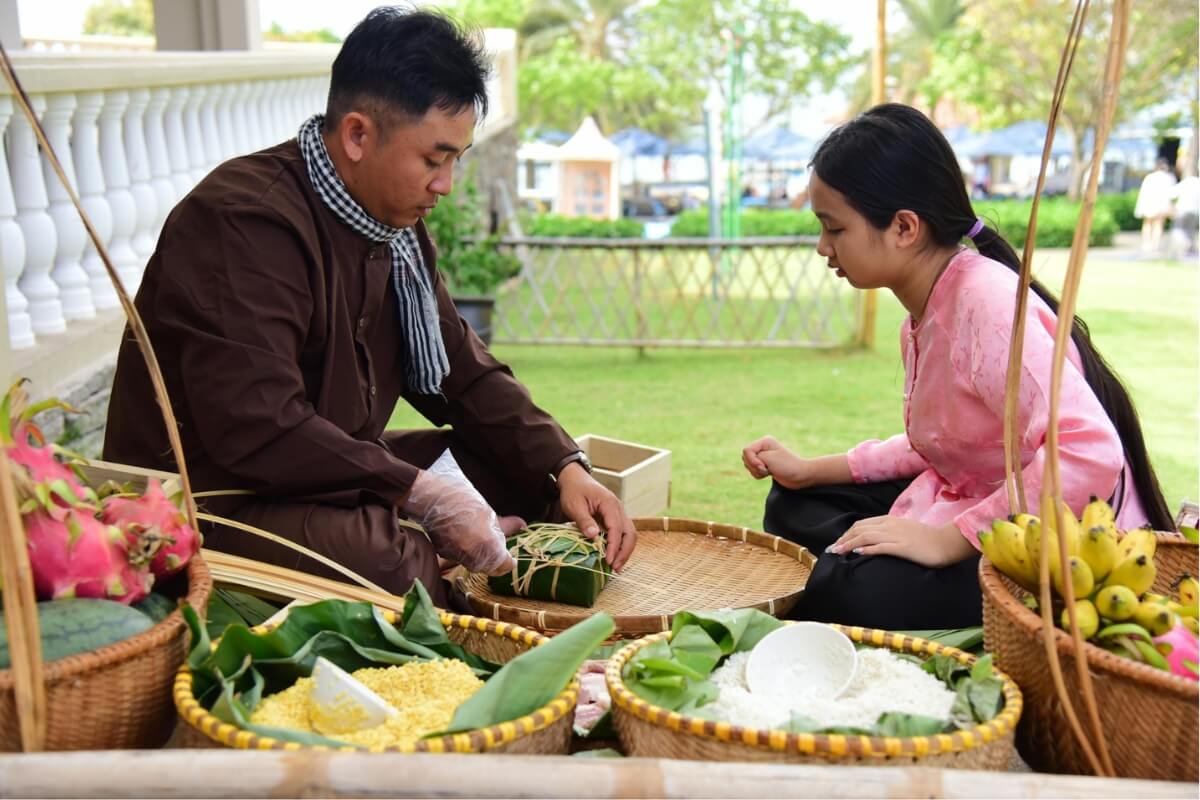
To fully appreciate Hanoi cultural experiences, it helps to understand the values that shape local life. Respect for family, education, community, and ancestral traditions remains deeply embedded in Vietnamese society.
Confucian principles have influenced social relationships for centuries, emphasizing respect for elders, harmony within communities, and the importance of learning. At the same time, Buddhist and indigenous spiritual practices continue to play important roles in daily life.
Visitors often notice these values reflected in simple interactions. Families gather for meals, neighbors socialize over tea, and local residents maintain strong connections to community traditions. Even in a modern capital city, these cultural foundations remain visible everywhere.
Understanding these cultural characteristics helps travelers engage more meaningfully with the people and places they encounter throughout Hanoi.
Best Cultural Experiences in Hanoi You Should Experience
Walking Through the Historic Old Quarter
No introduction to cultural experiences in Hanoi would be complete without exploring the historic Old Quarter. Often described as the city’s cultural and commercial heart, this district preserves centuries of urban history within a maze of narrow streets.
The Legacy of the 36 Ancient Streets
The Old Quarter developed as a network of specialized trading streets, each historically associated with a particular craft or profession. Blacksmiths, silk merchants, herbal medicine traders, and metalworkers established communities that helped shape the district’s unique identity.
Today, many streets still retain names connected to their traditional trades, offering visitors a fascinating glimpse into Hanoi’s commercial heritage. While modern businesses have replaced some historical workshops, the spirit of craftsmanship remains deeply embedded in the neighborhood.
Walking through these streets provides more than a sightseeing experience. It reveals how generations of artisans, merchants, and families contributed to the development of Hanoi Vietnam culture.
Everyday Life That Defines Hanoi’s Character
One of the most rewarding aspects of exploring the Old Quarter is observing daily life. Early mornings bring market vendors arranging fresh produce, while local residents enjoy breakfast at sidewalk eateries. Throughout the day, small businesses operate alongside traditional shops, creating a dynamic atmosphere that reflects the city’s evolving identity.
Unlike museums that present culture as something from the past, the Old Quarter demonstrates how cultural traditions continue to shape contemporary life.
Traditional Cuisine as a Cultural Experience in Hanoi
Food plays a central role in Vietnamese culture, and Hanoi offers some of the country’s most iconic culinary traditions. For many visitors, discovering local cuisine becomes one of the most memorable cultural experiences in Hanoi.
Meals in Vietnam are not simply about eating. They are opportunities for family gatherings, social interaction, and the preservation of traditions passed down through generations.
The Stories Behind Hanoi’s Signature Dishes
Many famous Hanoi dishes have fascinating historical origins. Pho, often considered Vietnam’s national dish, developed in northern Vietnam and became closely associated with Hanoi’s culinary identity.
Bun Cha, another local favorite, reflects the city’s preference for balanced flavors and fresh ingredients. Traditional dishes often emphasize harmony among herbs, vegetables, proteins, and seasonings, reflecting broader cultural values related to balance and well-being.
Learning about these dishes allows visitors to understand not only what people eat but also why food occupies such an important place in local culture.
Street Food Culture and Local Dining Etiquette
Street food remains one of Hanoi’s defining cultural features. Small family-run eateries serve recipes that have been perfected over decades, sometimes generations.
Dining on low stools beside local residents offers a unique perspective on daily life. It also highlights the communal nature of Vietnamese dining culture, where sharing food and conversation strengthens social connections.
For visitors seeking authentic Hanoi cultural experiences, few activities are more rewarding than joining locals for a traditional meal.
Exploring Hanoi’s Ancient Temples and Spiritual Heritage
Religion and spirituality continue to influence many aspects of Hanoi Vietnam culture. Across the city, temples, pagodas, and shrines provide insight into centuries of religious practice and community traditions.
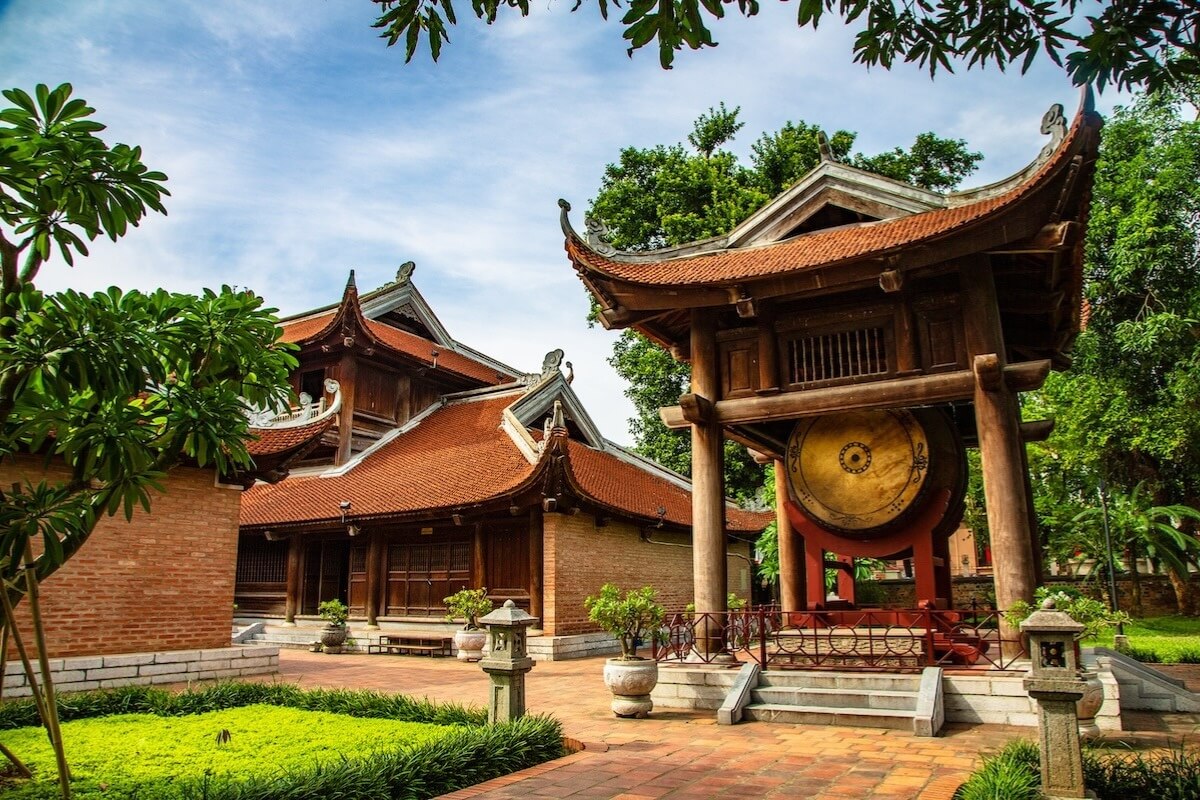
The Temple of Literature
Founded in 1070, the Temple of Literature remains one of Hanoi’s most important cultural landmarks. Originally dedicated to Confucius, it later became Vietnam’s first national university.
The site symbolizes the country’s long-standing respect for education and intellectual achievement. Visitors can explore beautifully preserved courtyards, traditional architecture, and historical monuments that celebrate generations of scholars.
Ngoc Son Temple and Hoan Kiem Lake
Situated on a small island in Hoan Kiem Lake, Ngoc Son Temple combines spiritual significance with historical symbolism. The temple honors national heroes and scholars while serving as an important place of worship for local residents.
Its picturesque location makes it one of Hanoi’s most recognizable cultural landmarks.
Community Temples and Local Worship Traditions
Beyond famous attractions, countless neighborhood temples continue to serve local communities. Residents visit these sacred spaces to pray, make offerings, and honor ancestors.
Observing these traditions respectfully allows travelers to gain deeper insight into the spiritual dimensions of Vietnamese culture.
Traditional Arts and Performance Culture
Artistic expression remains an essential part of Hanoi’s cultural identity. Traditional performances preserve stories, values, and historical memories that continue to resonate today.
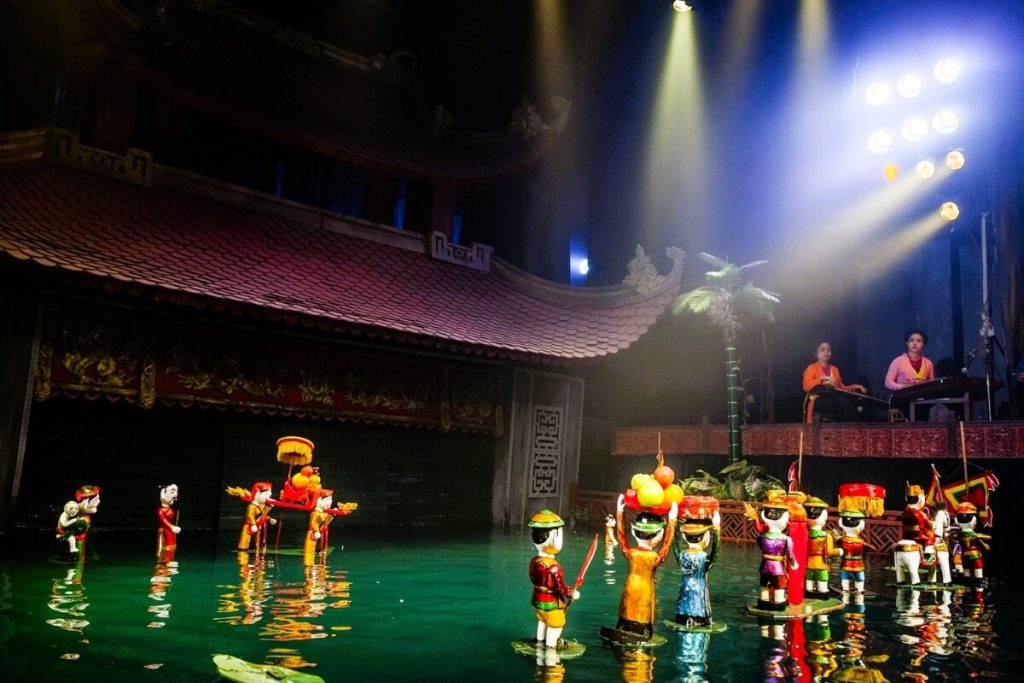
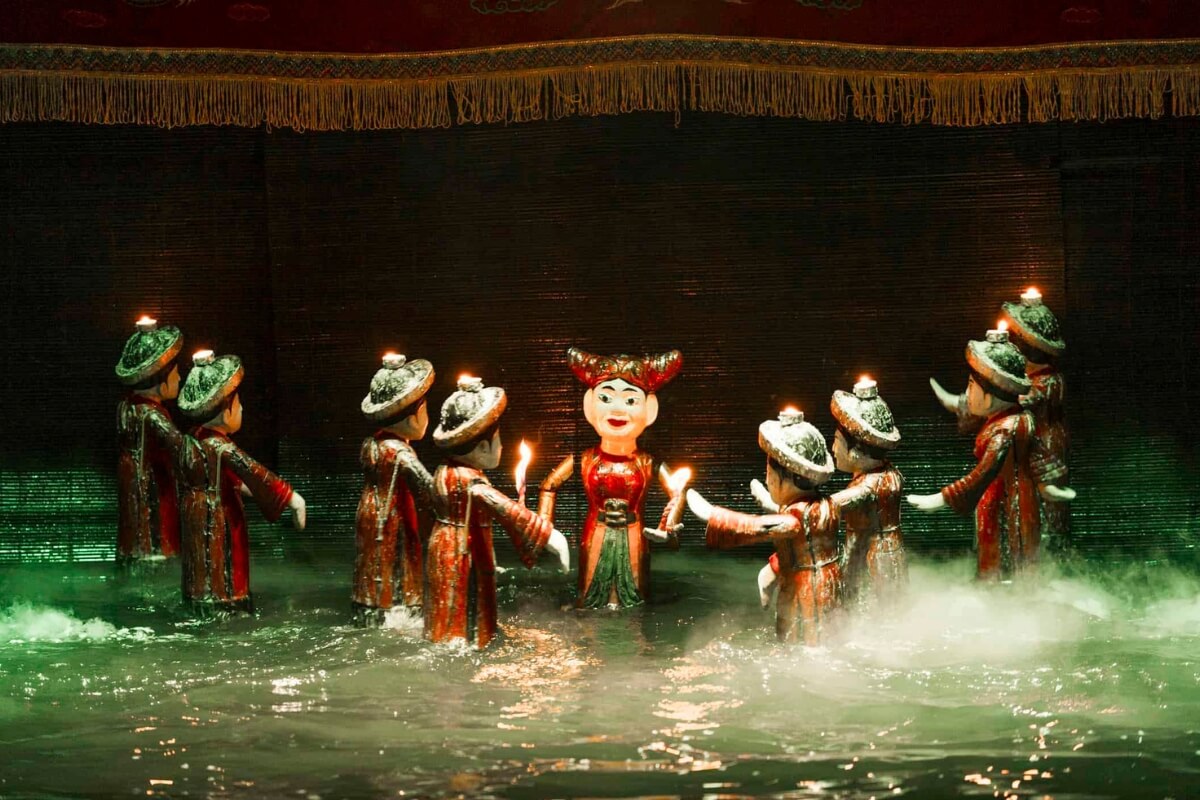
Water Puppet Theatre
Water puppetry originated in northern Vietnam’s rice-growing regions centuries ago. Performers manipulate wooden puppets across water while musicians provide live accompaniment.
The art form portrays scenes from rural life, folklore, and historical legends. Despite its ancient origins, water puppetry remains one of the most distinctive cultural experiences in Hanoi.
Ca Tru and Other Traditional Music Forms
Recognized by UNESCO as an important cultural heritage tradition, Ca Tru combines poetry, music, and performance in a uniquely Vietnamese art form.
Although less widely known than water puppetry, attending a traditional music performance offers visitors a valuable opportunity to experience another dimension of Hanoi Vietnam culture.
Festivals and Celebrations That Showcase Hanoi Vietnam Culture
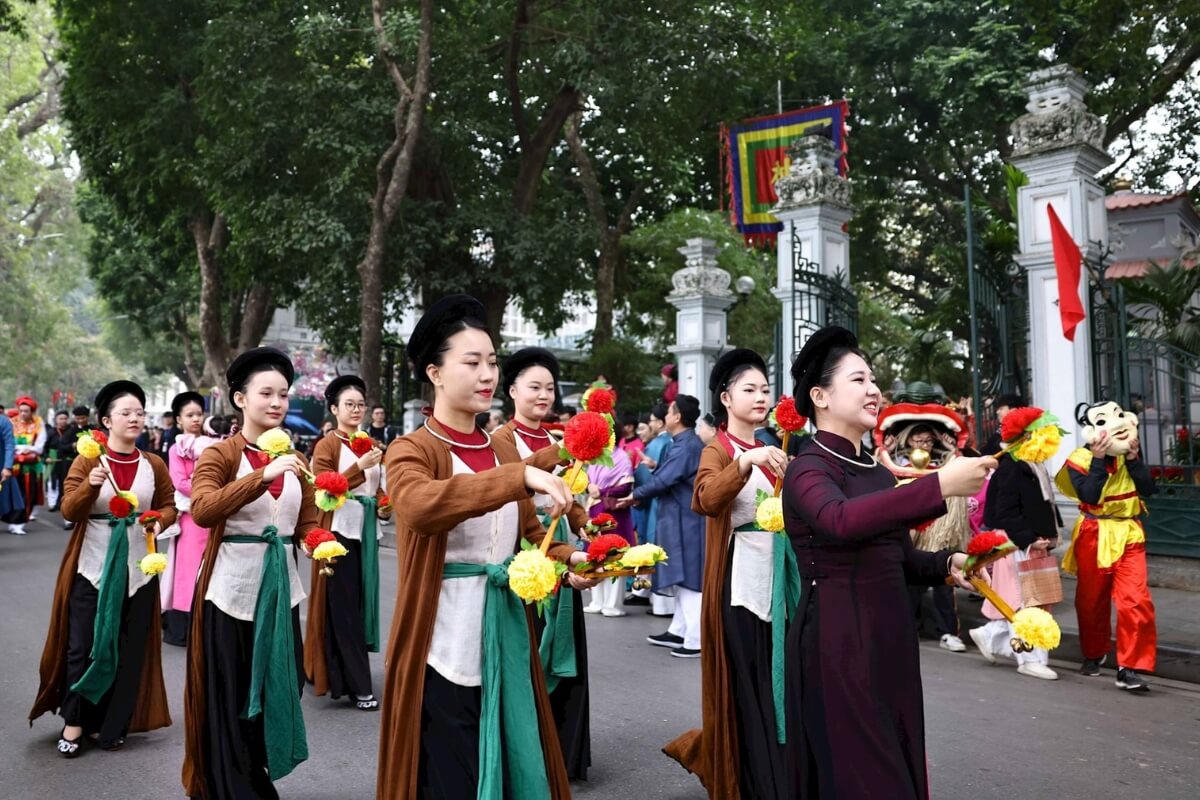
Festivals offer some of the most vibrant opportunities to experience local traditions. Throughout the year, Hanoi hosts celebrations that reflect religious beliefs, historical events, and community values.
Lunar New Year Traditions
Tet, Vietnam’s Lunar New Year celebration, represents the country’s most important holiday. Families honor ancestors, prepare special foods, and gather for reunions that strengthen family bonds.
The holiday highlights many core values that define Hanoi Vietnam culture.
Mid-Autumn Festival
Known for colorful lanterns and traditional performances, the Mid-Autumn Festival remains particularly meaningful for children and families.
The celebration transforms parts of Hanoi into lively cultural spaces filled with music, food, and community activities.
Village Festivals and Community Gatherings
Many villages around Hanoi continue organizing annual festivals that preserve local customs and historical traditions. These events provide unique opportunities for cultural exchange between visitors and local communities.
Cultural Etiquette Every Visitor Should Know
Respectful behavior enhances cultural understanding and helps visitors engage positively with local communities.
When visiting temples, modest clothing is recommended. Travelers should remove hats when entering sacred spaces and avoid disruptive behavior during religious activities.
Learning a few Vietnamese greetings, asking permission before photographing people, and demonstrating curiosity about local traditions are simple ways to show respect and build meaningful connections.
How to Enjoy Authentic Hanoi Cultural Experiences Responsibly
Responsible cultural tourism benefits both visitors and local communities. Choosing locally owned businesses, supporting artisans, respecting cultural norms, and participating thoughtfully in community activities help preserve traditions for future generations.
Authentic cultural exploration is not about consuming experiences. It is about fostering understanding, appreciation, and mutual respect.
Frequently Asked Questions About Cultural Experiences in Hanoi
What are the best cultural experiences in Hanoi for first-time visitors?
Walking through the Old Quarter, visiting the Temple of Literature, attending a water puppet show, exploring traditional markets, and sampling local cuisine are among the most rewarding experiences for first-time visitors.
How many days should I spend in Hanoi for cultural exploration?
Three to five days allows travelers to experience major cultural attractions while also exploring local neighborhoods, craft villages, and traditional food culture.
Are Hanoi’s craft villages worth visiting?
Yes. Villages such as Bat Trang and Van Phuc offer unique insights into traditional craftsmanship and provide opportunities to interact directly with local artisans.
What is the best time of year for cultural experiences in Hanoi?
Spring and autumn generally provide the most comfortable weather. Visitors traveling during major festivals such as Tet or the Mid-Autumn Festival can also enjoy unique cultural celebrations.
Can visitors participate in local cultural activities?
Absolutely. Cooking classes, craft workshops, cultural performances, guided heritage walks, and village tours allow visitors to engage actively with Hanoi’s traditions.
The true beauty of Hanoi extends far beyond its famous landmarks. Through ancient temples, traditional cuisine, artisan villages, performing arts, and everyday community life, visitors can discover a city that continues to preserve its cultural identity while embracing the future.
These authentic cultural experiences in Hanoi provide more than memorable travel moments. They offer a deeper understanding of Hanoi Vietnam culture and reveal the traditions, values, and stories that have shaped Vietnam’s capital for more than a thousand years. For travelers seeking meaningful connections and genuine cultural immersion, few destinations in Asia can compare with the richness and diversity of Hanoi cultural experiences.


 Contact Us via Messenger
 Send Inquiry