
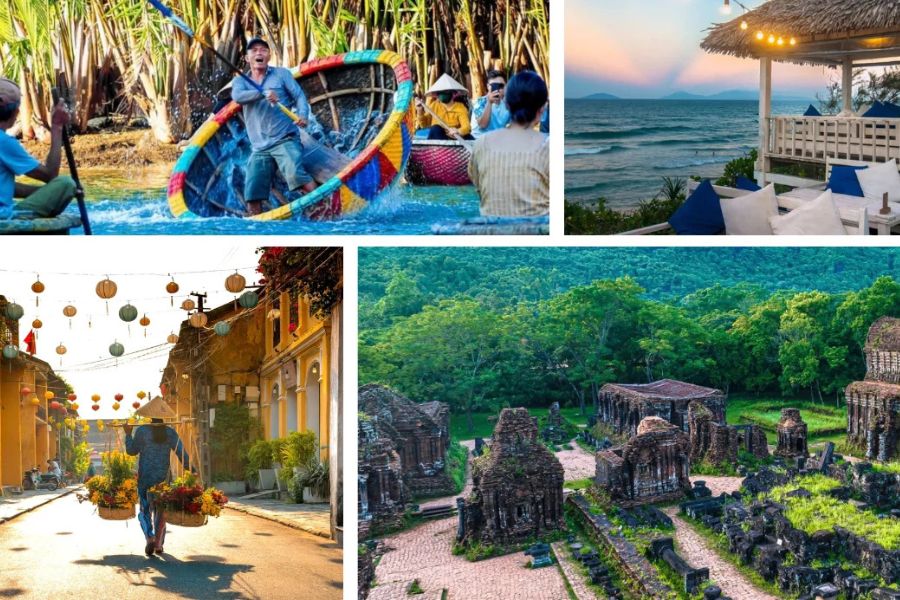
Vietnam offers a remarkable variety of landscapes, cultures, and travel experiences from north to south. For travelers with enough time, a journey from Hanoi to Ho Chi Minh City can combine historic landmarks, natural scenery, local cuisine, and coastal destinations in one trip. Du Lịch Tầm Nhìn Việt can be a useful resource for travelers looking for Vietnam tour ideas and ways to organize a longer journey across the country.
Why Travel From North to South Vietnam?
Traveling from Hanoi to Ho Chi Minh City is one of the most practical ways to experience the diversity of Vietnam in a single journey. The two cities have very different atmospheres, while the destinations between them introduce travelers to changing landscapes, regional cuisine, and cultural heritage. Instead of repeatedly traveling between regions, a north-to-south itinerary allows visitors to gradually move through the country while keeping the overall route relatively straightforward.
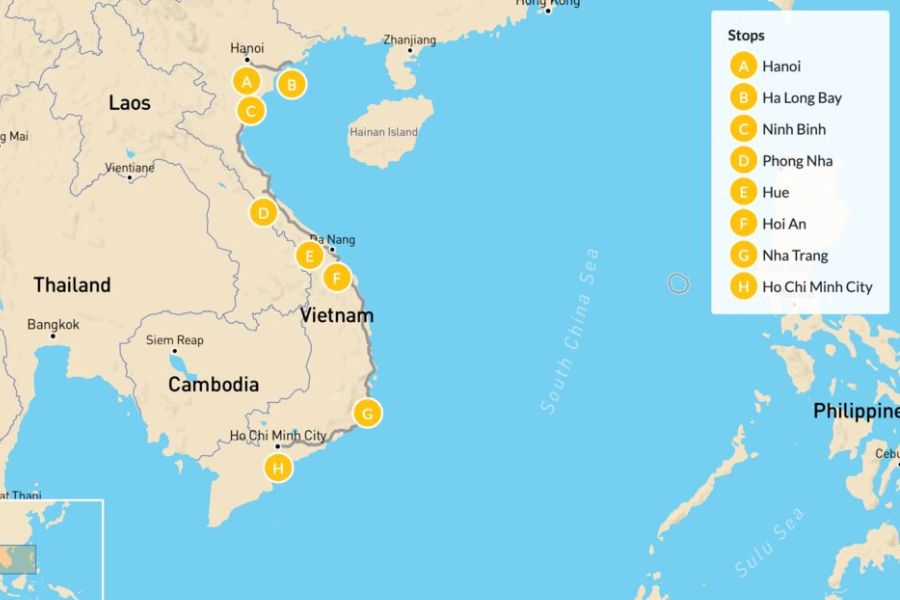
The journey can be adapted to different travel styles. Some travelers may focus on historical attractions and cultural experiences, while others may prefer a combination of nature, beaches, food, and local activities. The most important consideration is to avoid adding too many destinations simply because they appear close together on a map. Vietnam is geographically long, and realistic transportation times should always be included when building the itinerary.
Suggested Vietnam Travel Itinerary
Start Your Journey in Hanoi
Hanoi is an excellent starting point for a first trip to Vietnam because it introduces visitors to the country’s history, culture, and everyday life. The Old Quarter is one of the city’s most interesting areas, with narrow streets, traditional shops, restaurants, cafés, historic houses, and local businesses. Walking through the neighborhood allows travelers to experience the atmosphere of the capital rather than simply moving between individual attractions.
Hoan Kiem Lake is another central landmark and an easy place to combine sightseeing with a slower walk. Travelers interested in history can visit the Temple of Literature and the Imperial Citadel of Thang Long, while food lovers can explore local specialties such as pho, bun cha, banh cuon, and egg coffee. Spending two or three nights in Hanoi usually gives travelers enough time to explore the main attractions without making the beginning of the trip feel rushed.
Add Ninh Binh to Your Northern Route

Ninh Binh is a natural addition to a Hanoi itinerary because of its combination of limestone mountains, rivers, rice fields, temples, and rural landscapes. Trang An is particularly well known for its boat excursions, during which visitors travel through waterways surrounded by dramatic karst formations and natural caves. Tam Coc offers another scenic river experience, while Hoa Lu provides an opportunity to learn about Vietnam’s early dynastic history.
Ninh Binh can be visited as a day trip from Hanoi, but staying overnight allows travelers to experience the countryside at a more relaxed pace. Early mornings and late afternoons can be particularly enjoyable because the landscape tends to be quieter than during the busiest sightseeing periods. For travelers with enough time, two nights in Ninh Binh can provide a comfortable balance between sightseeing and relaxation.
Explore Ha Long Bay
Ha Long Bay is one of Vietnam’s most famous natural destinations and can be added to a northern Vietnam itinerary before continuing south. The bay is known for its limestone islands and dramatic karst formations rising from the sea, with boat cruises providing the most popular way to experience the landscape. Depending on the available time, travelers can choose between a day cruise and an overnight experience.

Activities may include kayaking, visiting caves, swimming, or simply enjoying the scenery from the boat. Travelers should consider transportation carefully when planning Ha Long Bay because transfer time can affect the rest of the itinerary. Combining Hanoi, Ninh Binh, and Ha Long Bay is possible, but the route should be arranged so that travelers are not constantly changing hotels or spending entire days in transit.
Continue Toward Central Vietnam
After exploring northern Vietnam, travelers can continue south by domestic flight or train. For visitors with a limited number of days, flying is generally the most efficient option between Hanoi and central Vietnam, while trains can be appealing to those who prefer a slower journey and want to see more of the countryside.
Central Vietnam offers several destinations worth visiting, but travelers do not necessarily need to include all of them. Hue, Da Nang, and Hoi An are particularly convenient to combine because they are relatively close to one another. A carefully planned central itinerary can therefore include historical attractions, beaches, local cuisine, and cultural experiences without requiring long journeys between every stop.
Discover the Imperial Heritage of Hue
Hue is one of Vietnam’s most historically significant destinations. The city served as the imperial capital of the Nguyen Dynasty and remains closely associated with Vietnamese royal history. The Imperial City is the main attraction, with historic gates, temples, courtyards, and palace structures providing insight into the country’s imperial period.
Several royal tombs can also be found around Hue, including the tombs of Minh Mang, Tu Duc, and Khai Dinh. Travelers interested in architecture and history can spend a full day exploring the city’s heritage sites, while those who prefer a slower itinerary can combine selected attractions with local food experiences. Bun bo Hue is the city’s most famous dish, but there are many other traditional specialties worth discovering in local restaurants and markets.
Spend Time in Hoi An
Hoi An offers a very different atmosphere from Hue. The ancient town is known for preserved architecture, traditional houses, colorful lanterns, and its history as an international trading port. The compact Old Town is easy to explore on foot, allowing visitors to move between historic buildings, temples, cafés, restaurants, and small shops without relying heavily on transportation.
The Japanese Covered Bridge is one of the town’s best-known landmarks, while traditional merchant houses provide insight into Hoi An’s trading history. The town becomes particularly atmospheric after sunset when lanterns illuminate the streets and riverside areas. A longer stay also allows travelers to explore nearby villages, beaches, craft communities, and countryside roads rather than spending the entire visit inside the Old Town.
Relax in Da Nang

Da Nang is a useful stop between Hoi An and other central destinations because it combines beaches, modern facilities, restaurants, and convenient transportation. My Khe Beach provides an easy opportunity to relax after several days of sightseeing, while the Marble Mountains offer caves, temples, and viewpoints for travelers interested in combining natural scenery with cultural exploration.
Travelers who prefer a slower itinerary can use Da Nang as a base for exploring Hoi An and nearby attractions rather than changing hotels frequently. The city also provides a practical balance between sightseeing and leisure, making it suitable for families, couples, and travelers who want some time away from historic sites.
Continue to Ho Chi Minh City
After exploring central Vietnam, travelers can continue south to Ho Chi Minh City. A domestic flight is generally the fastest option, particularly for travelers with a limited number of days, while those with more time may consider an overnight train for a different travel experience.
Ho Chi Minh City provides a very different atmosphere from Hanoi. It is faster-paced and highly urban, with modern buildings, historic landmarks, markets, restaurants, and a lively café culture. The Independence Palace is one of the city’s major historical attractions, while the Central Post Office and surrounding colonial-era architecture provide another perspective on the city’s development.
The War Remnants Museum is frequently visited by travelers interested in Vietnam’s modern history. Those staying for several days can also explore local neighborhoods, traditional markets, cafés, and restaurants beyond the main tourist attractions.
Explore the Mekong Delta
The Mekong Delta is a natural extension of a Ho Chi Minh City itinerary. The region is characterized by rivers, canals, orchards, agricultural land, and communities whose daily life remains closely connected to waterways.
Visitors can take boat trips through smaller canals, visit fruit gardens, explore local workshops, or experience rural markets. A day trip can provide an introduction to the delta, but travelers with more time may prefer to stay overnight. This allows them to experience the region at a slower pace and explore areas beyond the most common day-trip routes.
How Many Days Do You Need for Vietnam Travel Itinerary?
The ideal length of a north-to-south Vietnam trip depends on how many destinations travelers want to include and how much time they want to spend in each place. A shorter itinerary should focus on the major highlights, while travelers with two weeks or more can include additional destinations without making the journey excessively rushed.
| Trip length | Suggested itinerary | Travel pace |
| 7 – 9 days | Hanoi, Hoi An, Ho Chi Minh City | Fast-paced highlights |
| 10 – 12 days | Hanoi, Ninh Binh, Hue, Hoi An, Ho Chi Minh City | Moderate |
| 13 – 16 days | Hanoi, Ninh Binh, Ha Long Bay, Hue, Hoi An, Ho Chi Minh City | Comfortable |
| 17+ days | Add Mekong Delta, Da Nang, Sapa, Phong Nha, or other destinations | More relaxed |
Travelers with less than ten days should avoid adding too many stops because every additional destination requires transportation and hotel changes. Around two weeks is a more comfortable timeframe for connecting northern, central, and southern Vietnam, while three weeks or more provides greater flexibility for adding mountain areas, coastal destinations, or longer stays in the Mekong Delta.
Useful Tips When Planning Your Vietnam Travel Itinerary
Choose Between Flights, Trains, and Private Transfers
Vietnam offers several transportation options, and the best choice depends on the distance and itinerary. Domestic flights are particularly useful for moving quickly between major regions, while trains can provide a slower travel experience and an opportunity to see more of the countryside.
Private transfers are useful for shorter routes and day trips, particularly for families and small groups. A private vehicle can make it easier to travel between destinations such as Hanoi and Ninh Binh or Da Nang and Hoi An without coordinating multiple public transportation connections.
A combination of transportation methods is often the most practical solution. Travelers do not need to use the same type of transportation throughout the entire journey, and choosing the most appropriate option for each section can make the overall itinerary more efficient.
Consider the Weather When Planning Vietnam Travel Route
Vietnam’s climate varies significantly between northern, central, and southern regions. Northern Vietnam has more noticeable seasonal changes, while central Vietnam can experience different rainfall patterns from the north and south. Southern Vietnam generally remains warm throughout the year but also has distinct wet and dry periods.
Travelers should consider these regional differences when deciding which destinations to prioritize. Mountain trips, boat excursions, and beach activities can be affected by weather, so checking seasonal conditions before finalizing the route is particularly important.
A flexible itinerary can also help travelers adjust outdoor activities when weather conditions change. Instead of scheduling every activity weeks in advance, leaving some flexibility can make the journey more comfortable.
Balance Sightseeing With Free Time
A north-to-south journey can become exhausting if every day is filled with scheduled activities. Travelers should leave enough time to enjoy each destination independently, whether that means spending an afternoon in a café, walking through a local neighborhood, shopping for souvenirs, or simply relaxing at the hotel.
Free time also provides useful flexibility when unexpected delays occur. Traffic, weather, transportation changes, or attraction schedules can affect the original plan, so an itinerary with some breathing room is generally easier to manage. The goal should be to create a journey that feels enjoyable rather than trying to maximize the number of attractions visited each day.
Experience Regional Vietnamese Cuisine
Food changes noticeably as travelers move from north to south, making a long Vietnam journey particularly interesting for food lovers. In Hanoi, visitors can try pho, bun cha, and other northern specialties, while central destinations introduce dishes such as bun bo Hue, cao lau, and mi quang.
Southern destinations offer different flavors and ingredients, including a wide range of tropical fruits and regional dishes. Travelers can use the journey itself as an opportunity to explore these differences rather than relying on the same types of restaurants throughout the trip.
Local markets, street food areas, traditional restaurants, and cooking classes can all provide different perspectives on Vietnamese cuisine. Trying regional specialties in their place of origin can also become one of the most memorable parts of a north-to-south Vietnam travel itinerary.
Final Thoughts
A journey from Hanoi to Ho Chi Minh City allows travelers to experience many of Vietnam’s most distinctive destinations within one continuous route. The itinerary can combine the historic streets of Hanoi, the landscapes of Ninh Binh and Ha Long Bay, the imperial heritage of Hue, the ancient town of Hoi An, the beaches of Da Nang, and the urban energy of Ho Chi Minh City.
The most important consideration is travel pace. A longer itinerary allows travelers to explore each region more comfortably, while shorter trips should focus on fewer destinations and reduce unnecessary transportation. With realistic travel times, carefully selected stops, and enough free time, a north-to-south Vietnam itinerary can provide a broad introduction to the country’s landscapes, culture, history, and cuisine.


 Contact Us via Messenger
 Send Inquiry