
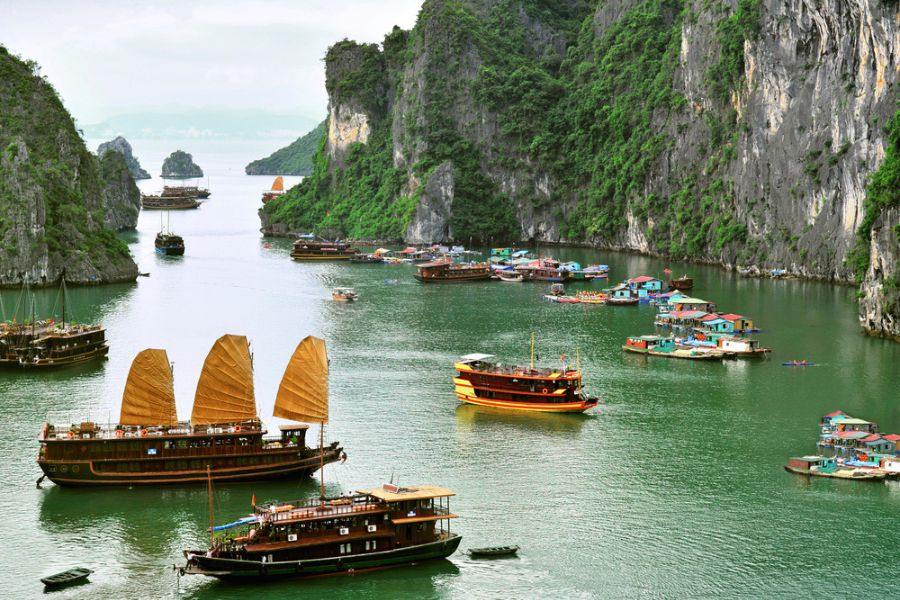
Vietnam’s main cruise ports provide access to many of the country’s famous attractions, but travelers who stay longer can discover destinations far beyond the usual shore excursion routes. From mountain landscapes and ancient towns to peaceful beaches and cultural sites, Vietnam offers plenty of places worth adding to a longer itinerary.
Why Explore Beyond the Main Cruise Destinations?
Cruise passengers often experience Vietnam through a short shore excursion. While this is a convenient way to see a few highlights, a longer trip allows travelers to explore destinations at a more relaxed pace.
Vietnam’s major cities and ports are connected to a much wider network of destinations. Travelers can move inland, visit smaller towns, explore rural areas, or spend several days in one region instead of returning to the ship after a few hours.
For visitors planning to extend their cruise with a land-based holiday, Du Lịch Tầm Nhìn Việt can be a useful source for exploring Vietnam tour options and building a broader travel itinerary. The right destinations depend on travel interests, available time, and the season of the visit.
Top Places to Visit Beyond Vietnamese Cruise Ports
Explore Sapa and the Mountains of Northern Vietnam
Sapa is one of the most distinctive destinations in northern Vietnam, located in Lao Cai Province and surrounded by mountains, valleys, rice terraces, and ethnic minority communities. The scenery is very different from the coastal landscapes around Ha Long Bay, making Sapa a strong choice for travelers who want to experience a more mountainous side of the country. Visitors can spend their time hiking through mountain villages, exploring rice terraces, meeting local communities, or simply enjoying views of the Hoang Lien Son range.
Fansipan, the highest mountain in Vietnam, is another major attraction in the region. Travelers can reach the summit area by cable car for a relatively convenient experience or choose a longer trekking route for a more demanding outdoor adventure. Sapa is particularly suitable for visitors interested in nature and hiking, although the journey from Hanoi requires considerably more time than a typical northern day trip, so it is better suited to travelers who have several days available.
Discover Ha Giang’s Dramatic Landscapes
For travelers looking for a more remote mountain experience, Ha Giang offers dramatic scenery, winding roads, and rural communities in the far north of Vietnam. The region is known for limestone mountains, deep valleys, terraced fields, traditional villages, and viewpoints overlooking some of the country’s most impressive mountain landscapes. Road trips are one of the most popular ways to experience Ha Giang because the journey between destinations is an important part of the experience itself.
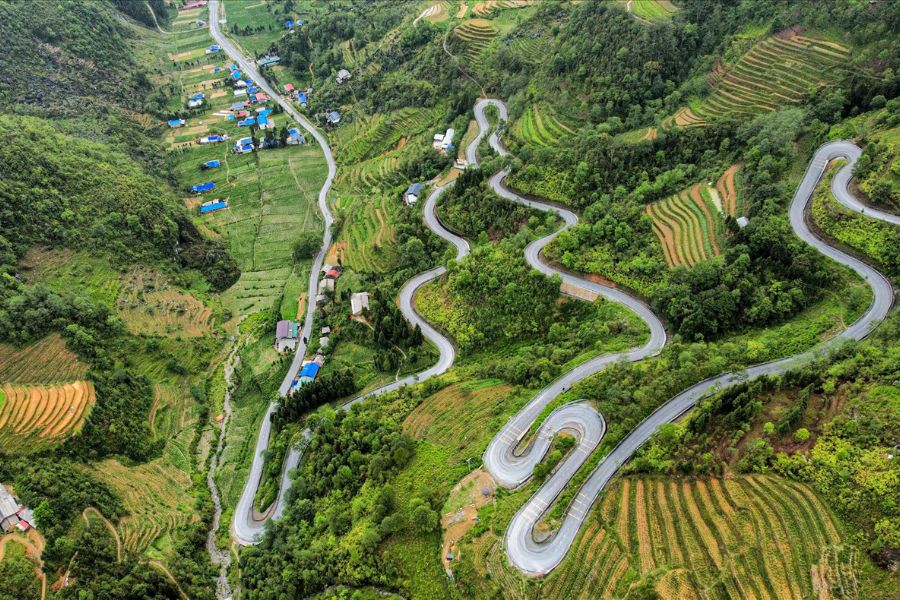
The Ha Giang Loop passes through several mountain communities and scenic viewpoints, allowing travelers to experience different parts of the region over several days. Visitors can explore independently if they have the appropriate experience, travel with a local driver, or join an organized tour. Compared with Sapa, Ha Giang generally requires more time and planning, making it better suited to adventurous travelers who want to explore rural landscapes rather than visitors looking for a short sightseeing experience.
Visit Ninh Binh’s Limestone Landscapes
Ninh Binh is one of the easiest destinations to add to a northern Vietnam itinerary, particularly for travelers who want to experience dramatic natural scenery without traveling deep into the northern mountains. The province combines limestone formations, rivers, rice fields, temples, and rural villages, creating a landscape that can be explored through a combination of boat trips, cycling, walking, and cultural sightseeing.
Trang An is particularly well known for boat journeys through caves and karst landscapes, while Tam Coc offers another scenic river experience surrounded by limestone mountains and agricultural fields. Hoa Lu provides a cultural and historical element, introducing visitors to an important period in Vietnam’s early history. One of Ninh Binh’s main advantages is its accessibility from Hanoi, as the area can be visited on a day trip, although staying overnight allows travelers to explore more comfortably and avoid rushing between attractions.
Spend More Time in Hanoi
Hanoi itself deserves more than a short shore excursion for travelers interested in Vietnamese culture, history, and food. The Old Quarter can easily occupy an entire morning or afternoon, with traditional streets, historic buildings, cafés, markets, restaurants, and small local businesses creating a distinctive atmosphere. Walking through the area is often as rewarding as visiting individual attractions because it provides an opportunity to observe everyday life in the capital.
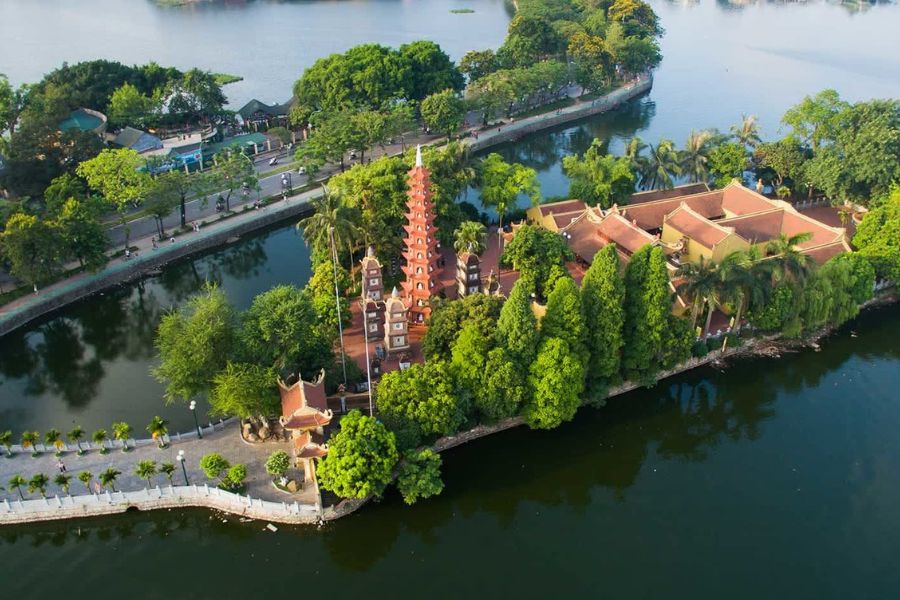
Hoan Kiem Lake is another central landmark that can be combined with nearby cultural attractions, while the Temple of Literature and Imperial Citadel of Thang Long provide opportunities to learn more about Vietnamese history. Spending several days in Hanoi also makes it easier to experience the city at different times of day, from quieter early mornings around the lake to busy evenings filled with restaurants, street food, cafés, and local activities. For travelers extending a cruise holiday, Hanoi can also serve as a convenient starting point for northern destinations such as Ninh Binh and Ha Long Bay.
Experience the Cultural Heritage of Hue
Hue is one of the most important historical destinations in central Vietnam and was the imperial capital of the Nguyen Dynasty. The city retains a strong connection with Vietnamese royal history, making it particularly suitable for travelers interested in architecture, culture, and the country’s past. The Imperial City is the main attraction, with historic gates, temples, palaces, courtyards, and other structures illustrating the architectural character of the imperial period.
Several royal tombs are located outside the city center, with the tombs of Minh Mang, Tu Duc, and Khai Dinh among the most visited. Travelers with additional time can combine these historical sites with a boat ride or a relaxed visit along the Perfume River. Hue is also known for its distinctive cuisine, with bun bo Hue being the most famous local specialty alongside a wide range of traditional dishes available at local restaurants and markets. Unlike a short shore excursion, a longer stay allows travelers to experience Hue’s historical attractions without rushing while also leaving time to explore its food culture.
Stay Longer in Hoi An
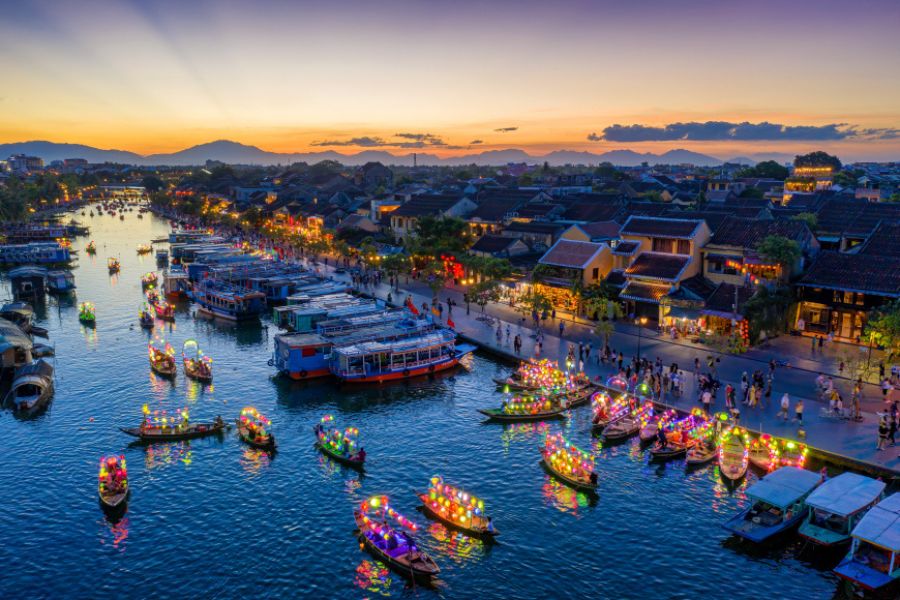
Hoi An is often included in shore excursions from Da Nang, but the ancient town can easily justify a longer stay. During the day, travelers can explore historic merchant houses, temples, assembly halls, traditional shops, and riverside streets, while the compact layout of the Old Town makes walking a convenient way to experience the area. The atmosphere changes considerably after sunset when lanterns illuminate the streets and riverside areas, creating a different experience from the daytime visit.
A longer stay also gives visitors the opportunity to explore areas outside the historic center. Nearby villages, beaches, craft communities, and countryside roads provide a different perspective on the region and allow travelers to experience more than the main tourist attractions. Hoi An is also a strong destination for food-focused travelers, with local specialties such as cao lau, mi quang, and white rose dumplings offering an introduction to the distinctive cuisine of central Vietnam.
Explore Da Nang Beyond the Beach
Da Nang is often associated with its beaches, but the city offers more than coastal relaxation:
- The Marble Mountains contain caves, temples, and viewpoints and can be visited as part of a half-day excursion.
- The Son Tra Peninsula provides another opportunity to experience coastal scenery and natural landscapes. Travelers can combine viewpoints with time at nearby beaches or explore the area at a relaxed pace.
Da Nang is also a convenient base for visiting Hoi An and Hue. Staying in the city for several nights can therefore reduce the need to change hotels while exploring central Vietnam. For travelers who prefer a combination of modern amenities, beaches, food, and nearby cultural attractions, Da Nang can be a practical addition to a longer itinerary.
Relax Along Vietnam’s Central Coast
Vietnam’s coastline extends far beyond the areas typically visited during short cruise excursions.
- Nha Trang is one of the country’s best-known beach destinations. Visitors can spend time swimming, relaxing, taking boat trips, or exploring nearby islands.
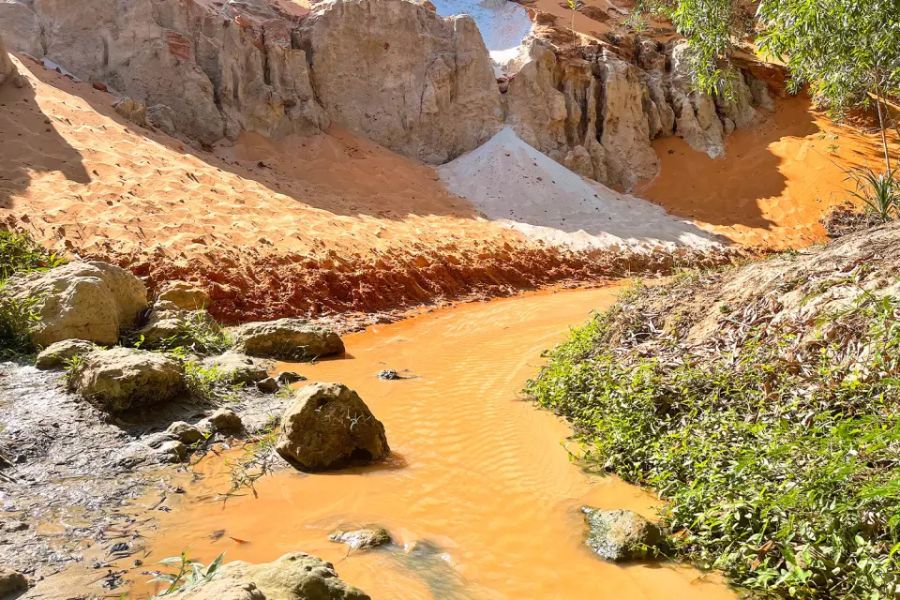
- Further south, Mui Ne is known for beaches and distinctive sand dunes. The destination provides a different coastal atmosphere and is particularly suitable for travelers looking for a slower pace.
- Quy Nhon is another option for visitors interested in less crowded coastal landscapes. The city and surrounding area combine beaches, seafood, cultural sites, and scenic coastal roads.
The best choice depends on the traveler’s schedule and preferred travel style.
| Destination | Main appeal | Ideal for |
| Nha Trang | Beaches and island activities | Relaxation and water activities |
| Mui Ne | Beaches and sand dunes | Scenic coastal trips |
| Quy Nhon | Beaches and quieter surroundings | Travelers seeking a slower pace |
| Da Nang | Beaches and nearby attractions | First-time visitors |
| Hoi An | Heritage and local culture | Culture and food |
Discover Phong Nha’s Cave Systems
Phong Nha in central Vietnam is an excellent option for travelers interested in nature, adventure, and dramatic landscapes. The region forms part of a vast karst landscape and is famous for its extensive cave systems, with Phong Nha Cave and Paradise Cave among the most accessible attractions. Visitors can explore the caves by boat or on foot, depending on the selected route, while more adventurous travelers can join longer cave expeditions that require additional preparation and suitable physical fitness.
Phong Nha is located away from Vietnam’s main coastal cities, so travelers should allow several days rather than trying to fit the destination into an already busy itinerary. The area works particularly well as part of a longer central Vietnam journey, especially for visitors who want to combine cultural sightseeing in places such as Hue and Hoi An with outdoor experiences and natural landscapes.
Explore Ho Chi Minh City Beyond the City Center
Ho Chi Minh City is often introduced through a handful of major landmarks, but longer stays reveal a much broader destination with diverse neighborhoods, food experiences, markets, cafés, and everyday urban life. The city center contains attractions such as the Independence Palace, Central Post Office, historic architecture, museums, and traditional markets, making it a convenient starting point for first-time visitors. Travelers can spend a few days exploring these landmarks before moving beyond the main tourist areas.
Staying longer also provides an opportunity to experience the city’s café culture, local restaurants, shopping streets, and residential neighborhoods. Districts outside the central tourist area can offer a different perspective on everyday life in southern Vietnam, while the city also serves as a convenient base for excursions to destinations such as the Cu Chi Tunnels and the Mekong Delta.
Visit the Mekong Delta at a Slower Pace
A short Mekong Delta excursion can introduce travelers to the region, but spending more time there provides a better opportunity to understand its distinctive rural lifestyle. The delta is characterized by rivers, canals, orchards, agricultural areas, and communities whose daily activities remain closely connected to the waterways. Visitors can take boat trips through smaller canals, cycle through rural areas, visit fruit gardens, explore local markets, or experience traditional workshops depending on the destination and itinerary.
Travelers with more time may also consider staying overnight in the Mekong Delta rather than returning to Ho Chi Minh City on the same day. This allows visitors to experience the region at a slower pace and see a side of southern Vietnam that can be difficult to appreciate during a short excursion. Some destinations also offer homestay experiences, giving travelers an opportunity to spend more time in rural communities and experience the contrast between the peaceful countryside and the busy atmosphere of Ho Chi Minh City.
Consider Vietnam’s National Parks
Vietnam’s national parks offer another way to experience the country’s natural landscapes and can add variety to a longer itinerary. Cat Ba National Park, Cuc Phuong National Park, Ba Be National Park, and Phong Nha-Ke Bang are among the destinations that provide opportunities for hiking, wildlife observation, cave exploration, lake activities, and forest experiences. Each park has its own character, so travelers can choose according to their interests, available time, and preferred level of outdoor activity.
Cuc Phuong is relatively accessible from northern Vietnam and can be incorporated into an itinerary that also includes Hanoi or Ninh Binh, while Phong Nha-Ke Bang is better suited to travelers planning a longer journey through central Vietnam. National parks generally require more preparation than a standard city sightseeing trip, so visitors should consider weather conditions, transportation, accommodation, walking distances, available facilities, and the difficulty of planned activities before adding one to their itinerary.
How Much Extra Time Do You Need for a Deeper Vietnam?
The number of destinations travelers can comfortably add depends on the length of their land-based extension.
| Additional time | Recommended approach |
| 2 – 3 days | Add one nearby destination |
| 4 – 6 days | Explore one region in greater depth |
| 7 – 10 days | Combine two regions |
| 11 – 14 days | Consider a multi-region itinerary |
For example, travelers with only a few extra days after a cruise could choose Hanoi and Ninh Binh or Da Nang and Hoi An. With a week or more, it becomes possible to explore a broader region without rushing between destinations. Travelers with two additional weeks can consider a route connecting northern, central, and southern Vietnam.
Plan Around the Season
Vietnam’s climate varies considerably from north to south. A destination that offers pleasant weather during one season may experience rain, heat, or cooler temperatures during another. Northern Vietnam generally has more noticeable seasonal changes, while central and southern regions have different rainfall patterns.
Travelers planning mountain trips should pay particular attention to weather conditions because heavy rain can affect roads and hiking routes. Beach destinations also depend heavily on seasonal conditions. Checking the expected weather before finalizing an itinerary can help travelers choose the most suitable region.
Vietnam’s main cruise ports provide only a glimpse of what the country has to offer. Travelers who extend their journey can explore mountain landscapes in Sapa and Ha Giang, rural scenery in Ninh Binh, cultural heritage in Hue and Hoi An, beaches along the central coast, and the waterways of the Mekong Delta.
The best choice depends on available time and personal interests. Instead of trying to visit as many places as possible, travelers can choose one or two regions and explore them at a comfortable pace. A cruise can be an excellent introduction to Vietnam, but adding a few extra days on land can turn a short visit into a much more complete travel experience.


 Contact Us via Messenger
 Send Inquiry