
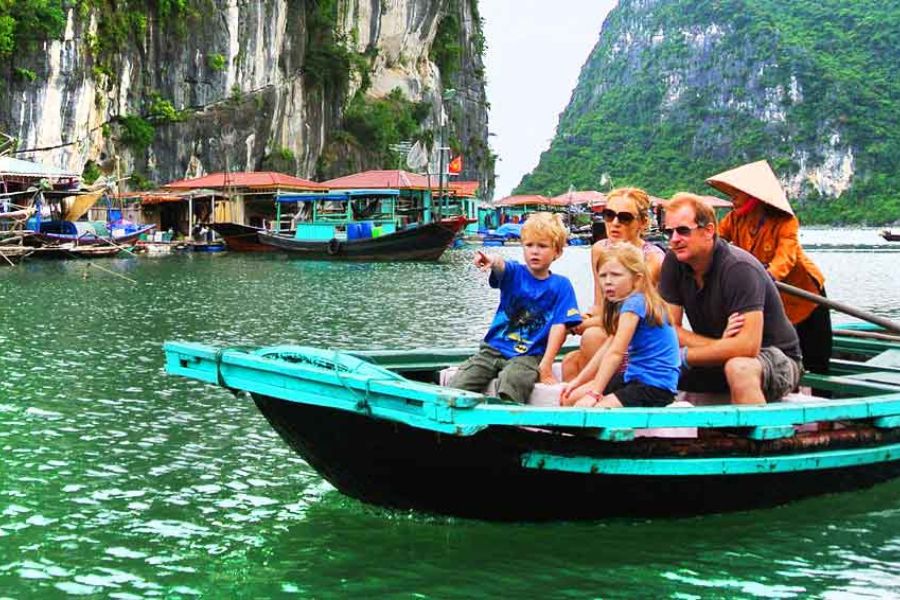
Vietnam offers a diverse mix of historic cities, natural landscapes, beaches, and distinctive local cuisine. For first-time visitors, choosing the right destinations can make the journey more comfortable and rewarding. Travelers looking for local tour options can explore Du Lịch Tầm Nhìn Việt for ideas and Vietnam travel programs.
Why Vietnam Is a Great Choice for First-Time Travelers?
Vietnam is a long and geographically diverse country, stretching from the mountains and historic cities of the north to the Mekong Delta in the south. This creates a wide range of travel experiences within one destination.
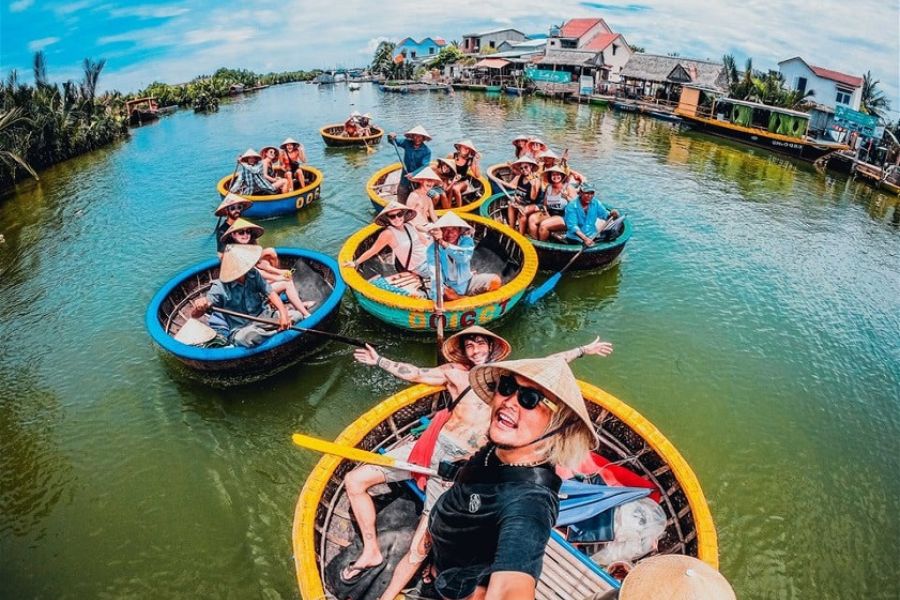
A first trip can include ancient architecture, UNESCO-recognized heritage areas, limestone landscapes, beaches, river excursions, local markets, and street food. The challenge is deciding which experiences deserve a place in the itinerary.
Rather than trying to visit every famous destination, first-time visitors should build a route around a few key regions. A balanced itinerary usually combines cultural attractions, natural scenery, local food, and enough free time to enjoy each destination.
Top Authentic Vietnam Travel Experiences to Try
Explore Hanoi’s Historic Character
Hanoi is one of the most natural starting points for a first Vietnam trip. The capital combines centuries of history with a lively modern atmosphere, making it possible to experience traditional culture without leaving the city center.
The Old Quarter is an obvious place to begin. Its narrow streets are filled with local restaurants, cafés, shops, traditional houses, and small businesses. Walking through the area is often more rewarding than simply visiting individual landmarks because the streets themselves reveal how local life has developed over generations.
Hoan Kiem Lake is another central landmark. The area around the lake is particularly lively in the morning and evening, when residents gather for exercise, walking, and social activities. Travelers interested in history can also visit the Temple of Literature, the Imperial Citadel of Thang Long, and other important sites around the city.
Food should also be part of the Hanoi experience. Pho, bun cha, banh cuon, and egg coffee are among the local specialties that many first-time visitors want to try. Hanoi is also useful as a base for exploring northern Vietnam. From the capital, travelers can organize trips to destinations such as Ninh Binh and Ha Long Bay without changing hotels every day.
Experience the Landscapes of Ha Long Bay
Ha Long Bay is one of Vietnam’s most recognizable natural attractions. Its limestone islands and karst formations rising from the sea create a landscape that is very different from the country’s inland destinations. The most popular way to experience the area is by boat. Travelers can choose between day cruises and overnight cruises depending on their schedule.
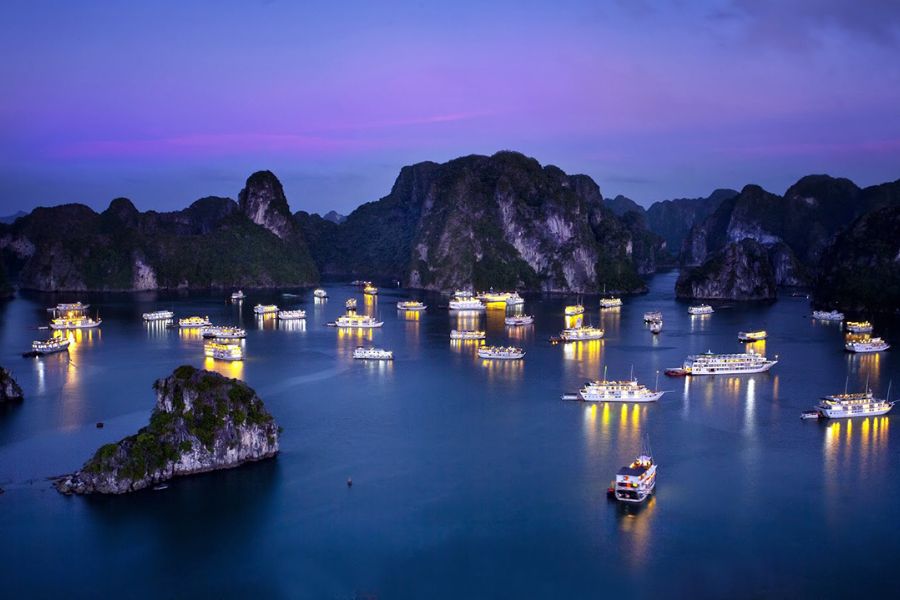
A day cruise is suitable for visitors with limited time, while an overnight cruise allows more time to enjoy the scenery and participate in activities such as kayaking, cave exploration, swimming, or simply relaxing on the deck.
For international cruise passengers, Ha Long Bay can also be incorporated into a shore excursion when the port schedule allows enough time. Transportation planning is particularly important in this situation because travelers need to return to the ship before departure. The experience is not only about sightseeing. Spending time on the water provides a slower pace after exploring busy cities and can be an important contrast within a longer Vietnam itinerary.
Walk Through Hoi An Ancient Town
Hoi An is one of the most atmospheric destinations in central Vietnam. The former trading port is known for its preserved architecture, historic houses, temples, colorful lanterns, and riverside setting. The Ancient Town is compact enough to explore on foot. Travelers can spend a few hours walking through its streets, visiting historic buildings, stopping at cafés, and trying local food.
The Japanese Covered Bridge is one of the town’s most recognizable landmarks. Traditional merchant houses and assembly halls also demonstrate the influence of the different communities that once traded in Hoi An.
The town becomes especially atmospheric after sunset. Lanterns illuminate the streets and the Thu Bon River, while restaurants and cafés create a relaxed evening environment. Food is another reason to spend time in Hoi An. Cao lau, mi quang, and white rose dumplings are among the regional specialties visitors can try. Travelers who enjoy crafts and local culture may also explore traditional workshops or nearby villages. These experiences can provide more context about the region beyond the main tourist attractions.
Discover the Rural Scenery of Ninh Binh
Ninh Binh offers another perspective on northern Vietnam. Instead of limestone formations rising from the sea, the province is characterized by mountains surrounded by rivers, rice fields, temples, and rural communities. Trang An is one of the best-known areas for boat excursions. Visitors travel along waterways surrounded by limestone cliffs and pass through natural caves.
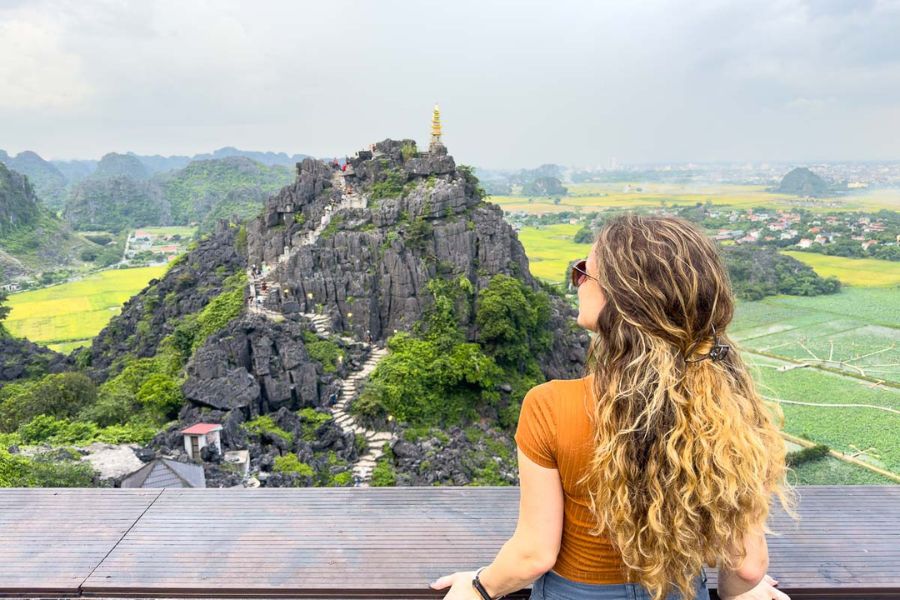
Tam Coc provides a similar experience, with boat routes passing through a landscape of karst mountains and agricultural fields. The scenery can change considerably depending on the season. Travelers interested in Vietnamese history can also visit Hoa Lu, an ancient capital associated with early Vietnamese dynasties.
Ninh Binh is particularly convenient for first-time visitors because it can be reached from Hanoi relatively easily. A northern itinerary combining Hanoi, Ninh Binh, and Ha Long Bay creates a strong introduction to both urban and natural Vietnam.
Enjoy the Beaches and Modern Side of Da Nang
Da Nang provides a natural transition between cultural sightseeing and coastal relaxation. The city has a modern urban center, a long coastline, and convenient access to Hoi An and Hue.
My Khe Beach is one of the city’s best-known coastal areas and is easy to reach from central Da Nang. The Marble Mountains are another popular attraction. The limestone hills contain caves, temples, and viewpoints and can be visited within a relatively short excursion.
Da Nang works particularly well as part of a central Vietnam itinerary because travelers can stay in one area while exploring several nearby destinations. A typical central route might combine:
- Hue for imperial history
- Da Nang for beaches and urban experiences
- Hoi An for heritage architecture and local culture
This combination gives first-time visitors a broad introduction to central Vietnam without requiring long journeys between every stop.
Discover the Imperial Heritage of Hue
Hue offers a different cultural experience from Hoi An. The city was the imperial capital of the Nguyen Dynasty and remains closely associated with Vietnam’s royal history. The Imperial City is the main attraction. Its gates, courtyards, temples, and palace structures provide insight into the organization and architecture of the former imperial capital.
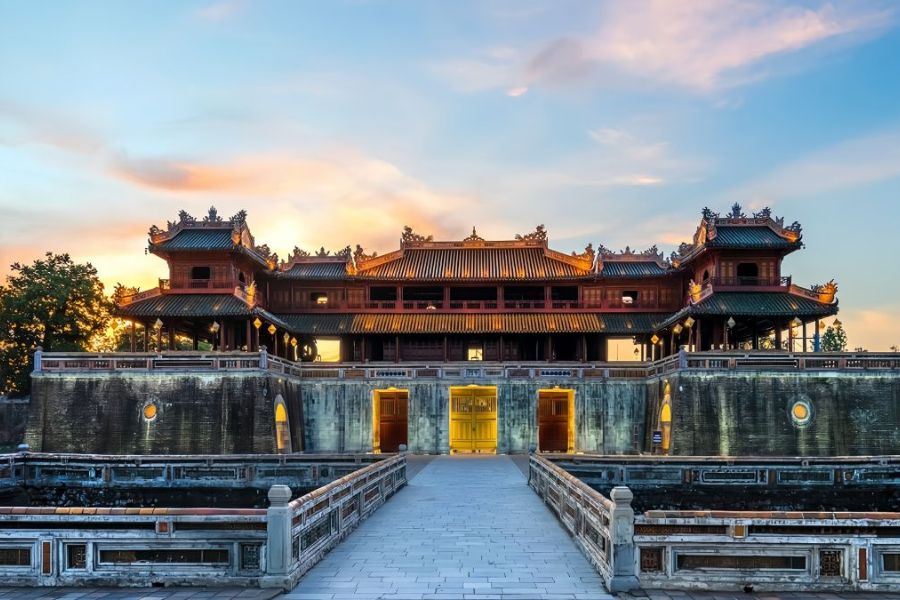
Several royal tombs can also be found around Hue. The tombs of Minh Mang, Tu Duc, and Khai Dinh are among the most notable and each reflects different architectural influences. The Perfume River adds another dimension to the city. Visitors can combine historical sightseeing with a river experience or explore local markets and restaurants. Hue is particularly suitable for travelers who want to understand more about Vietnam’s history rather than focusing exclusively on scenery and beaches.
Experience Ho Chi Minh City’s Urban Energy
Ho Chi Minh City presents a very different atmosphere from Hanoi. The city is fast-moving and modern, with busy roads, high-rise buildings, shopping areas, historic landmarks, markets, and an extensive food scene.
- The Independence Palace is one of the city’s most significant historical sites. The Central Post Office and other French colonial-era buildings also provide insight into the city’s architectural history.
- The War Remnants Museum is frequently visited by travelers interested in understanding Vietnam’s modern history.
For a more everyday experience, visitors can explore local markets, coffee shops, and neighborhood restaurants. Vietnamese coffee culture is particularly easy to experience in Ho Chi Minh City, where cafés range from traditional establishments to modern specialty coffee shops.
The city is also an important gateway to southern Vietnam. Travelers can use it as a base for exploring destinations outside the urban center.
Take a Journey Into the Mekong Delta
The Mekong Delta offers a slower and more rural experience than Ho Chi Minh City. The region is shaped by rivers, canals, fruit orchards, agricultural land, and communities whose daily life is closely connected to the waterways.
Boat excursions are one of the most common ways to explore the area. Depending on the itinerary, visitors may travel through smaller canals, visit fruit orchards, explore local workshops, or experience traditional markets.
The Mekong Delta is especially valuable for travelers who want to see a side of Vietnam beyond major cities and famous landmarks. A day trip can provide a brief introduction, while an overnight stay allows travelers to explore the region at a more relaxed pace.
Experience Vietnamese Cuisine by Region
Food is one of the easiest ways to understand Vietnam’s regional diversity. Northern Vietnamese cuisine is often associated with dishes such as pho and bun cha. Central Vietnam has its own distinctive specialties, including bun bo Hue, cao lau, and mi quang. Southern cuisine commonly features sweeter flavors and a wide range of tropical ingredients.
Travelers should try local dishes in different destinations rather than relying exclusively on familiar international restaurants. Street food can be an important part of the experience, but visitors should still pay attention to food hygiene and choose busy establishments with good turnover. A local food tour can also be useful for first-time travelers because guides can explain unfamiliar ingredients, preparation methods, and regional eating traditions.
Compare Vietnam Itineraries by Trip Length
The ideal number of destinations depends heavily on how much time a traveler has. Trying to cover the entire country during a short holiday can result in spending too much time on transportation. A general guide can help travelers decide how ambitious their itinerary should be:
| Trip length | Suggested focus | Travel style |
| 5 – 7 days | One region | Relaxed and focused |
| 8 – 10 days | North + Central Vietnam or Central + South | Highlights with moderate travel |
| 11 – 14 days | North to Central or North to South | More variety without excessive rushing |
| 15+ days | North to South | More complete Vietnam experience |
For a short holiday, focusing on one region is usually more comfortable. A traveler with a week could concentrate on Hanoi, Ninh Binh, and Ha Long Bay, or explore Da Nang, Hoi An, and Hue. Within around 10 days, travelers can begin combining regions, although domestic transportation becomes more important.
A two-week itinerary provides considerably more flexibility. A typical route can connect Hanoi and Ha Long Bay with central destinations such as Hue and Hoi An before continuing to Ho Chi Minh City and the Mekong Delta. The important factor is not simply the number of destinations. Allowing enough time in each place can make the trip considerably more enjoyable.
Combine Famous Attractions With Local Experiences
Vietnam’s major attractions are worth visiting, but travelers can make their trip more memorable by adding smaller experiences between sightseeing stops.
Depending on the destination, this could include:
- Taking a Vietnamese cooking class
- Visiting a traditional market
- Exploring rural villages by bicycle
- Learning about local coffee culture
- Joining a walking tour
- Visiting a craft village
- Taking a short boat excursion
- Spending an evening exploring local restaurants
These experiences do not need to occupy an entire day. Even a few hours away from the main tourist attractions can provide a better understanding of local life. For cruise passengers, the same principle applies to shore excursions. Instead of trying to visit every attraction near a port, travelers can choose one or two meaningful experiences that fit comfortably within their available time.
Plan Transportation Carefully
Vietnam’s geography makes transportation an important part of itinerary planning.
Domestic flights are useful when traveling between major regions, particularly when moving between Hanoi, central Vietnam, and Ho Chi Minh City. Road transfers are more suitable for shorter journeys such as Hanoi to Ninh Binh or Da Nang to Hoi An.
Travelers should also consider airport transfers and check-in time when calculating how long a journey will actually take. For multi-destination trips, organized transportation can reduce the amount of logistical planning required. This can be especially useful for families, older travelers, and private groups. The goal should be to minimize unnecessary travel while maintaining enough flexibility to enjoy each destination.
Choose the Right Pace for Your First Vietnam Trip
Vietnam rewards travelers who allow themselves time to explore. Spending every night in a different destination may look efficient on paper, but it can make the journey exhausting. A more comfortable itinerary usually gives travelers at least two nights in major destinations and uses day trips for places located nearby.
For example, Hanoi can serve as a base for exploring the city before a separate trip to Ninh Binh or Ha Long Bay. Similarly, Da Nang or Hoi An can serve as a base for exploring several attractions in central Vietnam. Travelers with more time can gradually move south rather than trying to cover the entire country in a few days.
Vietnam offers enough variety to satisfy travelers with very different interests. First-time visitors can explore historic cities, cruise through limestone landscapes, relax on central beaches, discover traditional architecture, experience vibrant urban life, and travel through the waterways of the Mekong Delta.
The best itinerary is not necessarily the one with the most destinations. Choosing a manageable route and leaving enough time for food, culture, and local experiences can create a much more rewarding journey. Whether travelers have one week or several weeks, Vietnam provides plenty of opportunities to build an itinerary around the experiences that matter most to them.


 Contact Us via Messenger
 Send Inquiry